






What's Happening?
Many individuals find their weekdays to be fast-paced, leading to a daily scramble for breakfast, lunch, or dinner. To counteract this, Sunday meal preparation is being highlighted as an effective strategy. By dedicating a few hours on Sunday, individuals can
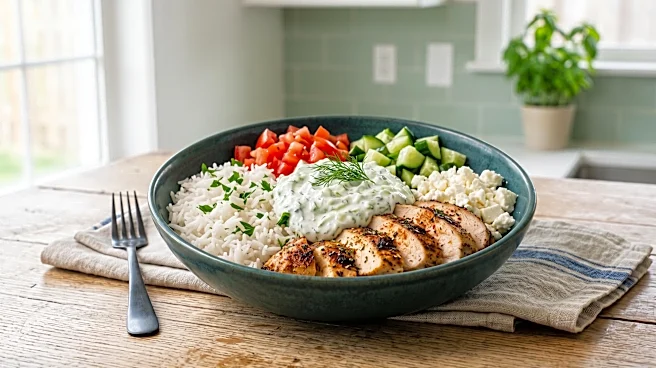
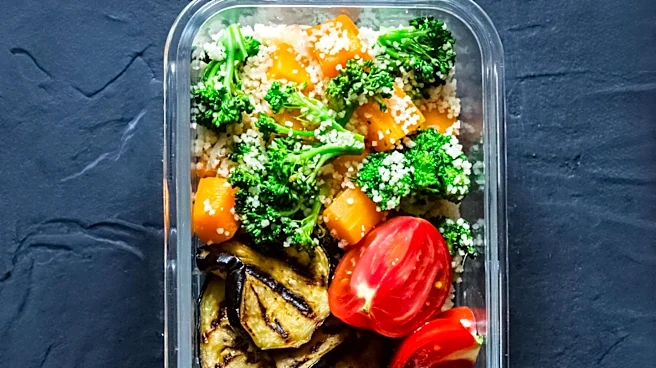
significantly reduce stress and save time during the week, ensuring access to homemade meals. This approach allows for organized eating without requiring extensive daily cooking. The flexibility of meal prepping also enables mixing and matching various dishes throughout the week, maintaining variety and interest in daily meals. Recipes such as Greek Chicken Meatballs, Chicken Gyro Bowls, and Chicken Mashed Potato Casserole are examples of dishes that can be prepared in advance, offering both convenience and flavor.
Why It's Important?
The emphasis on Sunday meal prep reflects a growing trend in U.S. households to manage busy schedules more efficiently while maintaining healthy eating habits. This practice is particularly important for individuals and families seeking to avoid the reliance on fast food or expensive takeout options, which can have both financial and health implications. By planning and preparing meals in advance, consumers can better control ingredients, portion sizes, and nutritional content, contributing to improved public health outcomes. Furthermore, the time saved during weekdays can be reallocated to other personal or professional commitments, enhancing overall productivity and work-life balance. The accessibility of diverse recipes also caters to various dietary preferences and culinary interests, making healthy eating more sustainable and enjoyable for a broader segment of the population.
What's Next?
As the popularity of meal prepping continues to grow, it is anticipated that more resources, recipes, and specialized services will emerge to support this lifestyle. This could include an increase in meal kit delivery services focusing on pre-portioned ingredients for meal prep, or apps designed to help plan and organize weekly menus. Food manufacturers might also adapt by offering more convenient, pre-chopped, or partially prepared ingredients suitable for meal prepping. Additionally, there may be a greater emphasis on community workshops or online tutorials to teach effective meal prep techniques, further integrating this practice into mainstream U.S. culture. The trend is likely to evolve with new culinary innovations and technological advancements aimed at simplifying the process.
Beyond the Headlines
Beyond the immediate benefits of time and stress reduction, the widespread adoption of meal prepping could have deeper societal implications. It fosters a greater sense of control over one's diet and daily routine, potentially leading to increased self-sufficiency and a reduction in food waste. Ethically, it encourages mindful consumption and a more deliberate approach to food choices, moving away from impulsive and often less healthy eating habits. Culturally, it could reinforce the value of home-cooked meals and family dining, even amidst demanding modern lifestyles. The long-term shift towards more organized and intentional eating could also influence food supply chains, promoting demand for fresh, wholesome ingredients and potentially supporting local agriculture.