






What's Happening?
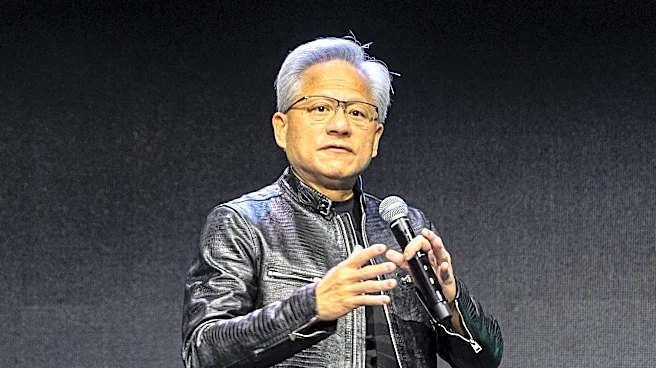
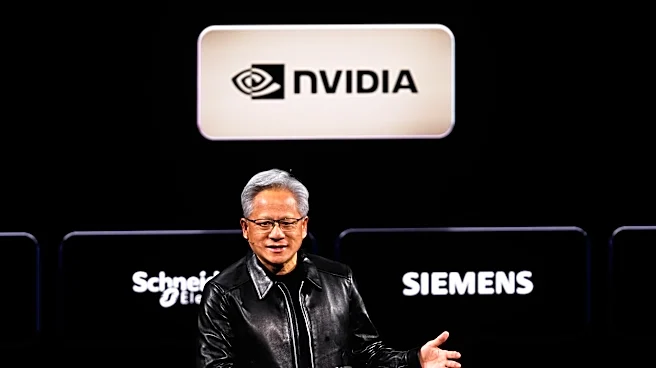
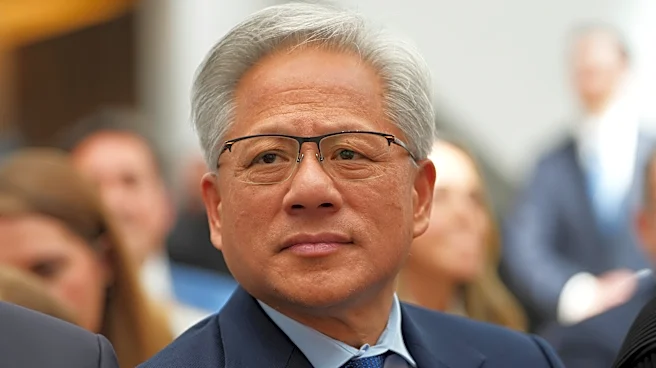
Investigations are underway into whether Jensen Huang, CEO of Nvidia, was the target of a 'foreign intelligence effort,' raising significant questions about the future of the chipmaker and the broader artificial intelligence industry. President Trump
stated that the FBI is investigating Huang's alleged affair with a suspected Chinese government agent, though Trump believes Huang was unaware of the individual's true affiliations. However, reports from the New York Times indicate that President Trump was informed twice about Huang being spied on, contradicting his public statements. Nvidia, a company valued at over $4 trillion, is a critical provider of technology for AI developers. The company's shares dropped significantly following the news. Law enforcement, members of Congress including Sen. Mark Warner and Rep. Hakeem Jeffries, Nvidia's board, and shareholders are all scrutinizing the situation. A shareholder has filed a lawsuit against Nvidia and Huang, accusing them of deceiving investors about the national security implications.
Why It's Important?
This suspected foreign intelligence plot against Nvidia's CEO carries immense importance for the U.S. technology sector, national security, and the global economy. Nvidia's pivotal role in the artificial intelligence boom means that any compromise of its leadership or technology could have far-reaching consequences for American innovation and competitiveness. The incident highlights the growing threat of corporate espionage and the vulnerability of key U.S. industries to foreign influence. The timing is particularly sensitive, as new Democratic members of Congress are advocating for tougher AI regulation, and this scandal could accelerate such legislative efforts. The significant drop in Nvidia's stock price and the shareholder lawsuit underscore the financial instability and reputational damage that can result from such security breaches, potentially impacting investor confidence across the tech market. The situation also raises concerns about the succession plan for Huang, who is deeply intertwined with Nvidia's identity and success.
What's Next?
The FBI's investigation into the alleged foreign intelligence effort targeting Jensen Huang is expected to continue, aiming to uncover the full extent of the plot and any potential compromises to national security or company secrets. Congressional leaders, including Sen. Mark Warner and Rep. Hakeem Jeffries, have expressed interest in further investigations, suggesting potential hearings or legislative actions related to corporate espionage and AI security. The shareholder lawsuit against Nvidia and Huang will proceed, seeking damages for investors who allegedly suffered losses due to misleading information. This legal battle could set precedents for corporate responsibility in national security contexts. Nvidia's board will face increasing pressure to address governance issues, potential succession planning, and enhanced security measures. The broader AI industry may also face increased scrutiny and calls for stricter regulations, potentially impacting innovation and market dynamics in the short to medium term.
Beyond the Headlines
The suspected foreign intelligence plot against Nvidia's CEO delves into the complex interplay of technology, geopolitics, and corporate governance. It underscores the reality that economic competition in the 21st century often involves sophisticated state-sponsored espionage targeting critical industries. This incident could serve as a wake-up call for U.S. corporations to bolster their internal security protocols and for the government to enhance its counterintelligence efforts in the private sector. The ethical implications of a CEO's personal relationships potentially being exploited for intelligence purposes also raise questions about the personal vulnerabilities of high-profile executives. Long-term, this event could contribute to a more protectionist stance in U.S. technology policy, potentially leading to greater decoupling from certain foreign markets and increased emphasis on domestic supply chains and security. It highlights the ongoing challenge of balancing global economic engagement with national security imperatives.