







What's Happening?
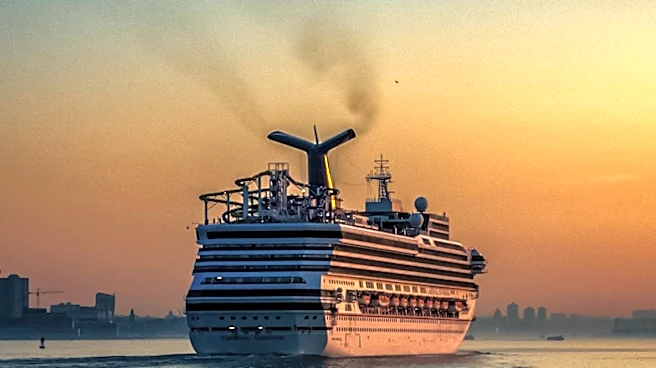
Carnival Corporation has reported strong quarterly results but has lowered its growth outlook for net yields, citing the impact of the ongoing conflict in the Middle East. The company's stock price fell nearly five percent following the announcement,
as it joined other cruise lines in adjusting expectations due to geopolitical volatility and low consumer sentiment. CFO David Bernstein highlighted challenges such as higher crew travel costs and freight expenses linked to the Middle East situation. Despite these issues, Carnival's CEO Josh Weinstein emphasized that the company is 93 percent booked for the year, with record net yields and customer deposits reaching an all-time high of $9 billion.
Why It's Important?
The lowered growth outlook from Carnival Corporation reflects broader concerns within the cruise industry about the impact of geopolitical tensions on consumer confidence and travel patterns. The conflict in the Middle East has led to increased operational costs and affected bookings, particularly in European deployments. This situation underscores the vulnerability of the travel and leisure sectors to international events and economic uncertainties. Investors and stakeholders in the cruise industry are closely monitoring these developments, as they could influence future investment decisions and strategic planning. Despite the challenges, the cruise industry remains optimistic about long-term growth, with significant shipbuilding commitments over the next decade.
What's Next?
Carnival Corporation and other major cruise lines are expected to continue navigating the challenges posed by geopolitical tensions and economic uncertainties. The company has indicated that recent booking trends suggest a potential reversal of current headwinds, which could stabilize its financial outlook. Investors will be watching for further updates on consumer sentiment and geopolitical developments, as these factors will play a crucial role in shaping the industry's recovery trajectory. Additionally, Carnival's strategic focus on cost discipline and managing capital expenditures will be critical in maintaining financial stability amid ongoing market fluctuations.