









What's Happening?
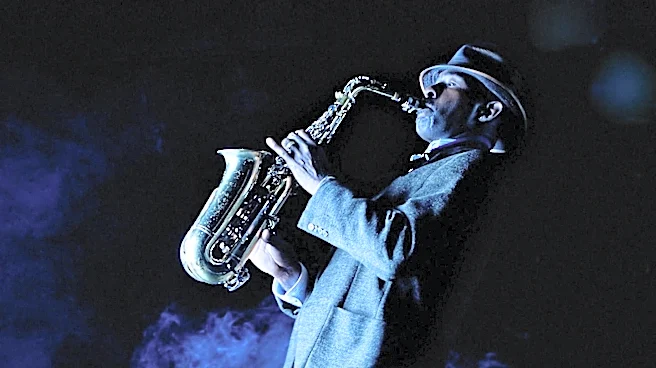
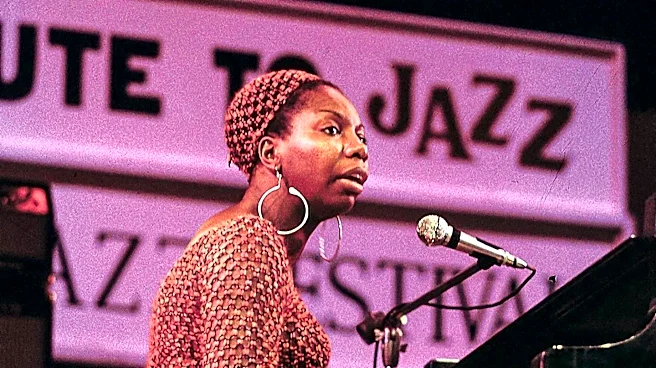
The play 'The Baroness Rothschild' by the Teatron Ivri (Hebrew Theater company) is currently touring Israel, offering a theatrical experience that blends history, jazz, and powerful performances. The production centers on Pannonica Rothschild, a baroness
from one of the wealthiest families, who was a passionate jazz enthusiast. Set in the early 1950s, the play follows her journey from England to New York, driven by her obsession with meeting jazz pianist Thelonious Monk. The narrative explores her interactions with jazz legends like Charlie Parker and Monk, highlighting the racial and social challenges faced by black jazz musicians during that era. The play features music arranged by Yonatan Perlman and is directed by Gadi Tzedaka, with performances by actors such as Neta Plotnik and Adi Alamo.
Why It's Important?
This theatrical production sheds light on the cultural and social dynamics of the 1950s jazz scene, emphasizing the racial barriers that musicians like Thelonious Monk and Charlie Parker faced. By portraying Pannonica Rothschild's support for these artists, the play highlights the significant role of patrons in the arts, particularly in providing financial and moral support to marginalized communities. The story also reflects on the broader societal issues of the time, such as racism and the struggle for artistic freedom, making it a relevant commentary on historical and contemporary social justice issues.
What's Next?
The play will continue its tour in Israel, with performances scheduled in various locations, including the Northern Theater in Kiryat Haim and Or Akiva. As it reaches more audiences, the production is likely to spark discussions on the historical context of jazz and its cultural impact. The play's success could lead to further tours or adaptations, potentially bringing this compelling story to international stages and expanding its reach to a global audience.
Beyond the Headlines
Beyond its immediate narrative, 'The Baroness Rothschild' offers a deeper exploration of the intersection between wealth, privilege, and cultural patronage. It raises questions about the responsibilities of those with resources to support the arts and challenge societal norms. The play also invites reflection on the enduring legacy of jazz as a form of resistance and expression, and how historical narratives can inform current cultural and social movements.