







What's Happening?
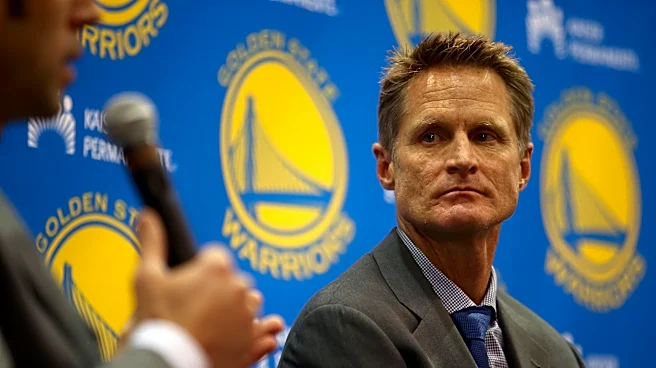
Steve Kerr, the head coach of the Golden State Warriors and leader of USA Basketball, is recognized for his basketball career and his thoughtful commentary on social and global issues. Born in Beirut, Lebanon, in 1965, Kerr's upbringing was significantly
shaped by his parents' academic work and his father, Malcolm Kerr's, assassination in 1984 during the Lebanese Civil War. This personal tragedy, coupled with his family's deep roots in the Middle East and an academic environment that prioritized open debate and international diplomacy, has influenced his worldview. Kerr rarely speaks about adhering to a specific organized religion, instead aligning his guiding principles with secular humanism, civic duty, and social responsibility. His public statements often emphasize ethics, empathy, and accountability, rather than theological arguments. This background informs his collaborative and empathetic leadership style within professional sports, where he fosters strong team chemistry by treating players as critical thinkers.
Why It's Important?
Kerr's unique background and public persona are significant because they offer a model of leadership that integrates personal experience with broader societal concerns. His willingness to address complex sociopolitical topics, such as gun violence and international relations, challenges the traditional avoidance of such issues by many professional sports figures. This approach can influence public discourse by bringing these critical conversations into the mainstream sports arena, potentially encouraging other public figures to use their platforms for civic engagement. For the Golden State Warriors, Kerr's leadership style, rooted in empathy and collaboration, contributes to a strong team culture and resilience, which is crucial for navigating the pressures of professional sports. His emphasis on accountability and ethical conduct can also serve as an example for athletes and fans alike, promoting a more thoughtful and engaged approach to both sports and society.
What's Next?
As Steve Kerr continues his role as head coach of the Golden State Warriors and leader of USA Basketball, his influence is likely to extend beyond the basketball court. His consistent advocacy for social issues and his unique perspective, shaped by his Lebanese-American heritage and academic upbringing, will continue to be a part of his public identity. This may lead to further engagement in discussions surrounding gun safety, international relations, and social justice. Within the NBA, his leadership style could inspire other coaches and organizations to adopt more empathetic and collaborative approaches to team management. The Warriors' performance under his guidance will continue to be observed, not just for their athletic achievements, but also for the broader impact of Kerr's leadership philosophy on team dynamics and player development. His ongoing commentary on current events will likely maintain his position as a prominent voice in both sports and civic discourse.
Beyond the Headlines
The deeper implications of Steve Kerr's public stance and leadership style highlight a growing trend of public figures, particularly in sports, using their platforms to address societal issues. Kerr's approach, which prioritizes secular humanism, civic duty, and social responsibility over religious dogma, reflects a shift in how moral frameworks are articulated in the public sphere. His ability to channel personal tragedy into constructive social advocacy demonstrates the potential for individuals to transform adversity into a force for positive change. This also raises questions about the evolving role of sports figures in society, moving beyond mere entertainment to become influential voices on ethical and political matters. The integration of his Middle Eastern heritage and academic background into his public identity underscores the value of diverse perspectives in leadership and the importance of global awareness in an increasingly interconnected world. His example may encourage a more holistic view of leadership, where personal values and social responsibility are intertwined with professional success.