


What's Happening?
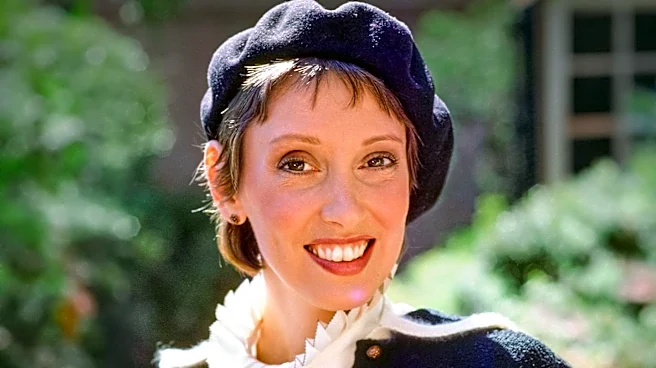
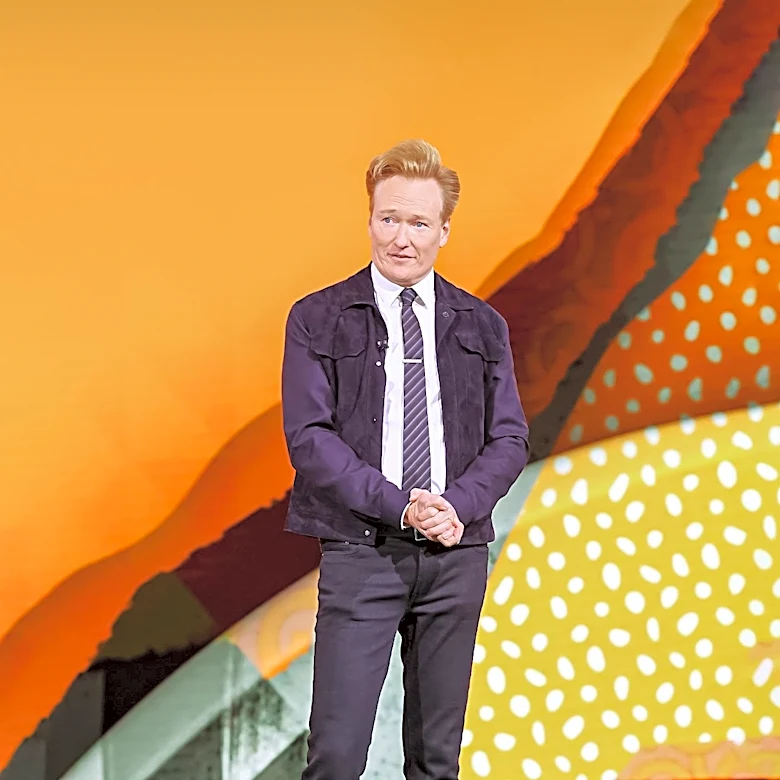
Director Gus Van Sant helmed the 1993 film adaptation of Tom Robbins' novel 'Even Cowgirls Get the Blues,' starring Uma Thurman. This adaptation notably differed from the vision of actress-producer Shelley Duvall, who had previously owned the rights to the novel and
worked for four years to bring her own version to the screen. Duvall's plans for the film, which she intended to star in, write, and direct, included casting legendary musicians Ringo Starr and Mick Jagger, with Starr also considered for the soundtrack. Despite her efforts, Duvall lost the option to Daryl Hannah, and her project ultimately did not materialize. Van Sant's film proceeded with a different creative direction, highlighting the challenges and varying interpretations that can occur during the adaptation process of literary works into cinema.
Why It's Important?
This situation underscores the complex and often challenging nature of film production, particularly when adapting popular literary works. It illustrates how creative control and artistic vision can shift significantly during development, impacting the final product. For audiences, it highlights that a film adaptation may not always align with earlier creative interpretations or the original author's intent. For filmmakers and producers, it serves as a case study on the difficulties of securing funding and maintaining rights to projects, even after substantial personal investment. The divergence between Duvall's and Van Sant's visions for 'Even Cowgirls Get the Blues' also reflects broader industry dynamics where established directors and studios often have more leverage in bringing projects to fruition, potentially sidelining earlier, independent efforts.
What's Next?
While the 1993 film adaptation of 'Even Cowgirls Get the Blues' has already been released, the story of Shelley Duvall's unmade version continues to resonate among her fans and film historians. Interest in her original ideas, including her casting choices and directorial approach, persists, as evidenced by the uncovering of her proposals in Academy Archive letters. This ongoing interest suggests that there could be future retrospectives, documentaries, or academic analyses exploring these alternative cinematic histories. For Gus Van Sant, his continued work in film directs attention to his body of work, including 'Good Will Hunting,' which is mentioned as being available on Netflix, indicating his enduring presence in the film industry.
Beyond the Headlines
The narrative surrounding 'Even Cowgirls Get the Blues' extends beyond a simple film production story, touching upon themes of artistic ownership, gender dynamics in Hollywood, and the preservation of creative legacies. Shelley Duvall's struggle to bring her vision to the screen, despite her significant efforts and clear artistic direction, reflects the historical challenges faced by women in directorial and creative leadership roles within the film industry. Her unmade adaptation serves as a poignant reminder of the many untold stories and unrealized artistic projects that could have offered alternative perspectives. Furthermore, the enduring fascination with what 'could have been' for Duvall's film highlights the cultural value placed on original artistic intent and the continuous re-evaluation of cinematic history.