







What's Happening?
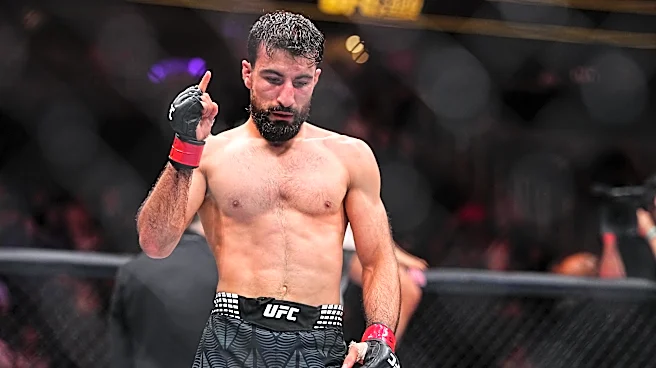
UFC CEO Dana White has commented on the recent release of undefeated fighter Farid Basharat, stating there is "definitely a reason" for the decision. Basharat, who held a 16-0 professional record and a 7-0 record within the UFC, was not re-signed after
his contract expired. White indicated that this is not an isolated incident, as the UFC has previously released fighters with strong records. He suggested potential reasons could include difficulties in dealing with the fighter, matchmakers not wanting to work with them, or fighters turning down bouts. Basharat had climbed to the top 10 in the bantamweight rankings and maintained the longest active win streak in his division. Despite his impressive performance, White implied that factors beyond in-cage success can lead to a fighter's departure from the promotion. Basharat himself confirmed his departure on social media, asserting that his exit was unrelated to his fighting capabilities and that he was never offered a new contract or opponent after his last fight.
Why It's Important?
This situation highlights the complex and often opaque nature of fighter contracts and roster management within the UFC, a major U.S. sports organization. It underscores that a fighter's win-loss record, while crucial, may not be the sole determinant of their tenure with the promotion. The implications extend to fighter autonomy and the power dynamics between athletes and major sports leagues. For aspiring and current UFC fighters, it signals that maintaining a perfect record might not guarantee job security if other, undisclosed issues arise. This could influence how fighters approach negotiations, fight selections, and their overall relationship with the promotion. From a business perspective, it suggests the UFC prioritizes certain criteria, potentially including marketability or ease of management, alongside athletic performance, which can impact its brand image as a platform for the 'best fighters in the world.' The release of a top-ranked, undefeated fighter also raises questions about the fairness and transparency of the UFC's contract renewal processes.
What's Next?
Farid Basharat, now a free agent, is expected to attract interest from other major mixed martial arts promotions. Given his undefeated record and high ranking, organizations like the PFL (Professional Fighters League) are potential destinations, especially since his brother, Javid Basharat, also previously released by the UFC, has already signed with the PFL. Basharat will likely seek a new contract that offers both competitive opportunities and financial stability. For the UFC, this decision may continue to fuel discussions among fans and media regarding its roster management philosophy, particularly concerning fighters who are perceived as 'boring' or difficult to work with, despite their success. The promotion may face ongoing scrutiny over its criteria for retaining talent, especially if other high-performing fighters are released under similar circumstances. This event could also prompt other fighters to re-evaluate their contractual situations and potentially seek more explicit terms regarding performance incentives and job security.
Beyond the Headlines
The release of Farid Basharat, despite his undefeated record, points to a deeper tension within the UFC's operational model: the balance between being a legitimate sports league and an entertainment company. White's vague explanation suggests that 'behind-the-scenes' issues, such as a fighter's perceived 'dealability' or entertainment value, can outweigh pure athletic achievement. This raises ethical questions about the criteria used to evaluate and retain athletes in high-stakes professional sports. It also highlights the subjective nature of 'entertainment' in combat sports, where a fighter's style (e.g., a high number of decision wins versus finishes) can influence their perceived value to the promotion. This trend could lead to a shift in fighter strategies, potentially encouraging more aggressive, finish-oriented approaches to secure their positions, even if it means taking greater risks. Ultimately, it underscores the commercial pressures on sports organizations to deliver compelling content, sometimes at the expense of purely meritocratic principles.