





What's Happening?
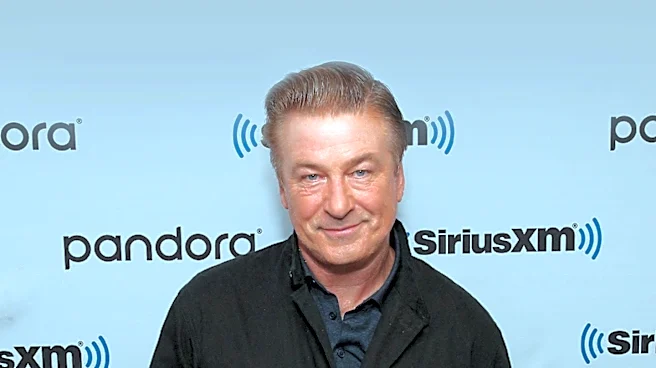
Rory Kennedy’s feature documentary, 'The Trial of Alec Baldwin,' has secured global licensing rights with Blue Ant Media. This development follows Abramorama's acquisition of U.S. domestic rights two weeks prior, setting an October theatrical release
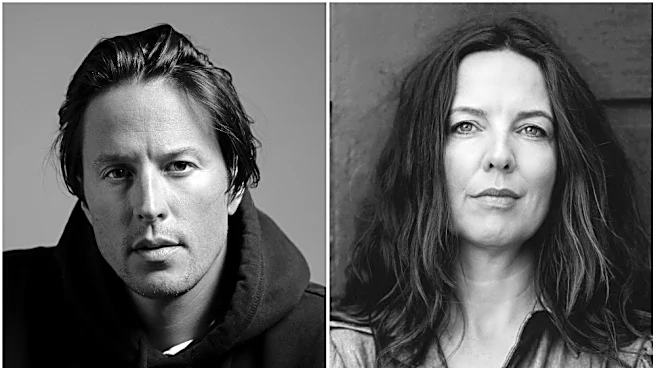
for the film. Blue Ant Media plans to present the documentary to international broadcasters and streamers at Mipcom. The film chronicles the personal and legal repercussions faced by actor Alec Baldwin after the fatal shooting of cinematographer Halyna Hutchins on the set of the film 'Rust' in 2021. It delves into the subsequent legal and media scrutiny. Oscar-nominated Kennedy, known for her works such as 'Freefall: A Reckoning for Boeing,' 'Ethel,' and 'Last Days in Vietnam,' initiated discussions with Baldwin about his participation in the documentary in March 2023, with filming commencing later that spring. The documentary incorporates previously unreleased behind-the-scenes footage and reconstructs the events surrounding Hutchins’ death. Valentina Daley, VP Acquisitions, Blue Ant Rights & Streaming, facilitated the acquisition for Blue Ant. Barnaby Shingleton, SVP, Acquisitions, Blue Ant Rights & Streaming, stated that the film offers a revealing look at the tragedy, providing a rare perspective on how celebrity, media scrutiny, and public perception influenced the case.
Why It's Important?
The global distribution of 'The Trial of Alec Baldwin' underscores the international interest in high-profile U.S. legal cases involving celebrities, particularly when they intersect with tragic events. For the U.S. entertainment industry, this documentary highlights the intense scrutiny actors and productions face, and the far-reaching consequences of on-set incidents. The film's focus on the interplay between celebrity, media, and public perception offers a critical examination of how such events are processed both legally and culturally. This could influence future production protocols and liability discussions within Hollywood, potentially leading to stricter safety measures and clearer guidelines for handling firearms on film sets. The documentary's international reach also means that the narrative surrounding the 'Rust' incident and Alec Baldwin will be shaped for a global audience, impacting public opinion and potentially influencing how U.S. legal and media systems are viewed abroad. Furthermore, the film's ability to secure both domestic and international distribution reflects a strong market demand for true-crime and investigative documentaries that delve into complex, real-world events involving public figures.
What's Next?
With Blue Ant Media securing global licensing rights, 'The Trial of Alec Baldwin' is set to reach a broad international audience, following its October theatrical debut in the U.S. The film's presentation at Mipcom will be crucial for securing deals with international broadcasters and streamers, determining its accessibility across various regions. The release of the documentary is likely to reignite public discussion and media analysis surrounding the 'Rust' shooting incident, Alec Baldwin's role, and the broader issues of safety and accountability in film production. Depending on its reception, the documentary could influence ongoing legal proceedings or public sentiment related to the case. Filmmaker Rory Kennedy and Blue Ant Media will likely engage in promotional activities to support the film's release, potentially including interviews and discussions that further explore the themes presented in the documentary. The film's impact could also extend to industry practices, prompting further review of safety protocols and legal responsibilities on film sets, especially concerning the use of prop firearms.
Beyond the Headlines
The documentary 'The Trial of Alec Baldwin' delves into deeper implications beyond the immediate legal and personal fallout, touching upon the ethical responsibilities of media in covering high-profile tragedies and the societal impact of celebrity culture. The film's promise of 'extraordinary access' and 'previously unseen behind-the-scenes footage' raises questions about the boundaries of privacy for public figures during personal crises and the extent to which their experiences become public spectacle. It also highlights the power of documentary filmmaking to shape narratives and influence public perception, potentially offering a more nuanced understanding of complex events than what is often presented by mainstream news. Furthermore, the case itself, and now the documentary, serve as a stark reminder of the inherent risks in creative industries and the critical need for robust safety regulations and accountability. The film could spark broader conversations about the mental health toll on individuals involved in such incidents, the role of legal systems in assigning blame, and the collective responsibility of an industry to protect its workers. Ultimately, it contributes to an ongoing dialogue about justice, media ethics, and the human cost of tragic accidents in the public eye.