

What's Happening?
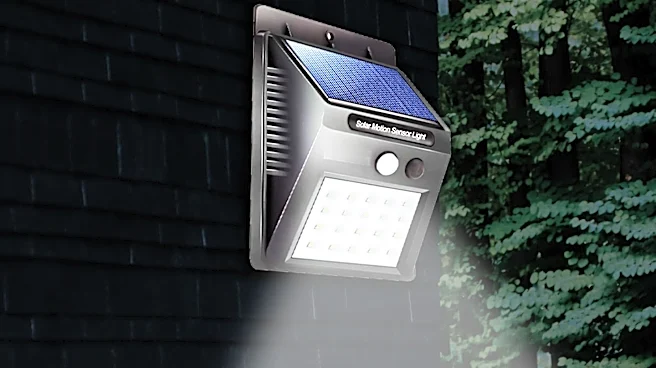
Outdoor solar lights are providing U.S. consumers with a wire-free and economical solution for exterior illumination, ranging from decorative ambiance to security lighting. These lights harness solar power, eliminating the need for electrical wiring and reducing
electricity bills. Various types are available, including string lights for ambiance, path lights for walkways, floodlights for security, spotlights for highlighting specific areas, and step lights for stairs. Brightness, measured in lumens, varies by intended use; decorative lights typically use under 100 lumens, while security lights can exceed 700 lumens. Most solar lights require 6 to 8 hours of direct sunlight to charge and can run for 4 to over 10 hours. Factors like weather and solar panel placement affect performance, with some models offering separate solar panels for optimal sun exposure. Installation is generally easy, often involving stakes or adhesive strips, and many lights feature automatic on/off sensors.
Why It's Important?
The growing popularity of outdoor solar lights in the U.S. reflects a broader consumer trend towards energy efficiency, sustainability, and DIY home improvement solutions. This shift impacts the lighting industry by driving innovation in solar technology, battery life, and aesthetic design. For homeowners, these lights offer increased safety and security without the cost and complexity of professional electrical installation, making outdoor lighting accessible to a wider demographic. The reduced reliance on grid electricity contributes to lower household energy consumption, aligning with national efforts to promote renewable energy sources. Furthermore, the versatility of solar lighting allows for personalized outdoor spaces, enhancing property values and lifestyle quality, while also creating a competitive market for manufacturers to develop more durable and efficient products.
What's Next?
The market for outdoor solar lights is expected to continue expanding, with manufacturers likely focusing on improving battery efficiency, extending runtime, and integrating smart home features. Innovations in solar panel technology could lead to faster charging times and better performance in varied weather conditions. Consumers can anticipate more diverse design options, including lights with adjustable color temperatures and advanced motion-sensing capabilities. The emphasis on durability and weather resistance will also drive product development, ensuring that these lights can withstand various environmental challenges. As technology advances, outdoor solar lights may become an even more integral part of residential and commercial landscaping, further reducing energy costs and promoting sustainable practices across the U.S.
Beyond the Headlines
The widespread adoption of outdoor solar lights subtly contributes to a cultural shift towards greater environmental consciousness and self-sufficiency in energy consumption. By making renewable energy accessible and practical for everyday use, these products demystify solar technology and encourage broader acceptance of sustainable living. The ease of installation empowers individuals to enhance their living spaces independently, fostering a sense of control and personalization. This trend also highlights the potential for decentralized energy solutions, where individual households contribute to a more resilient and distributed energy infrastructure, reducing strain on traditional power grids and promoting energy independence at a micro-level.