






What's Happening?
A recent systematic review has examined the effects of different stretching techniques on flexibility and athletic performance. The study analyzed 23 studies involving 627 athletes across various sports, including gymnastics, swimming, and track and field.
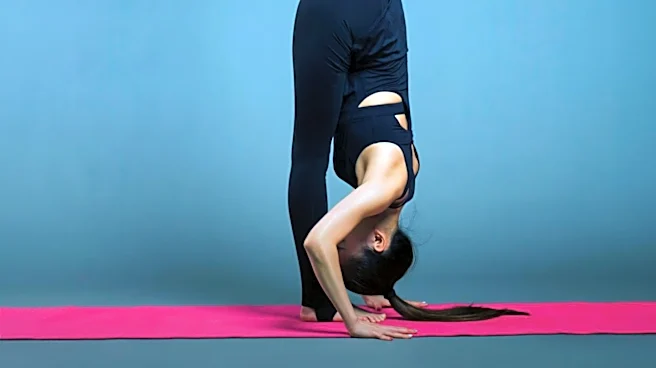
It found that static stretching, which involves holding a stretch in a fixed position, improved flexibility by about 3% compared to baseline. However, longer-duration static stretching sessions led to a slight decrease in performance. Dynamic stretching, which involves active movements like walking lunges and leg swings, showed smaller flexibility improvements but was associated with a 0.5% improvement in performance. The study suggests that the best stretching routine depends on individual goals, with dynamic stretching recommended for pre-workout preparation and static stretching for flexibility improvement.
Why It's Important?
The findings of this study are significant for athletes and fitness enthusiasts who aim to optimize their stretching routines for better performance and flexibility. Understanding the different impacts of static and dynamic stretching can help individuals tailor their routines to meet specific goals, whether it's enhancing flexibility for activities like dance or gymnastics or preparing for high-intensity workouts. This knowledge can lead to more effective training sessions and potentially reduce the risk of injury by choosing the appropriate type of stretching for the desired outcome.
What's Next?
Athletes and trainers may consider adjusting their stretching routines based on the study's findings. Incorporating dynamic stretching before workouts could enhance performance, while static stretching might be reserved for post-workout sessions or separate flexibility training. Further research could explore the long-term effects of these stretching techniques on different sports and activities, providing more comprehensive guidelines for athletes.