





What's Happening?
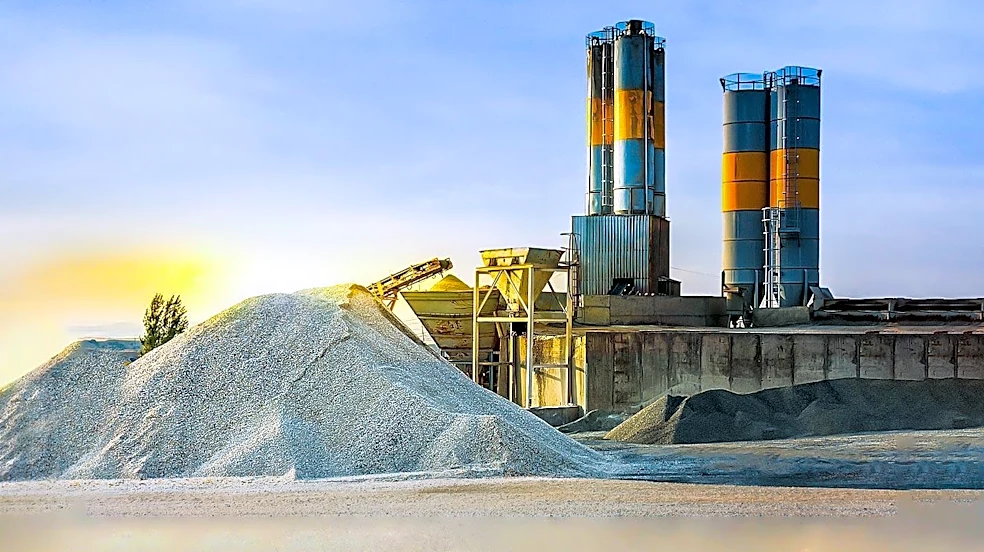
The cement industry is actively pursuing innovative technologies to transition away from fossil fuels, which have historically been the primary energy source for cement kilns operating at temperatures exceeding 1,400°C. Key strategies include waste gasification,
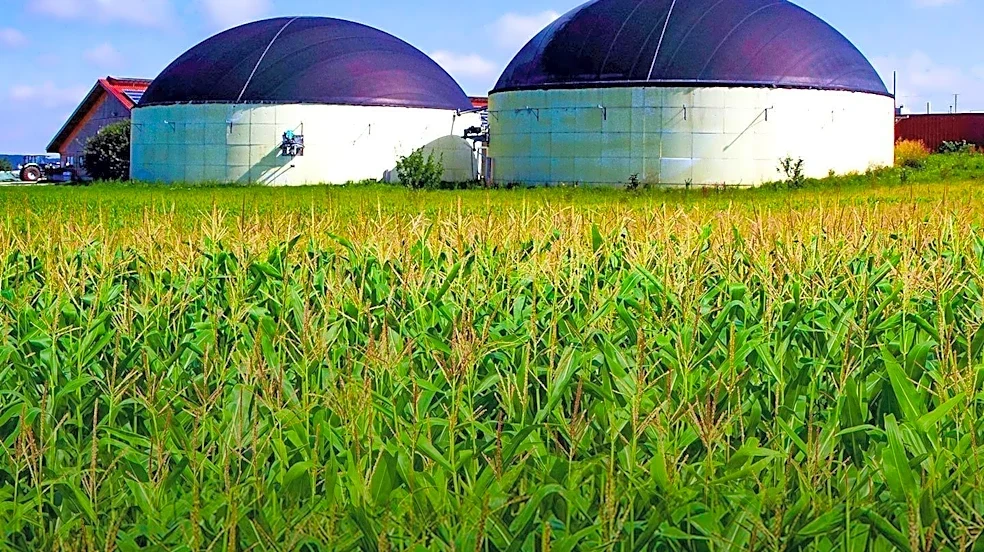
enhanced combustion, and low-carbon hydrogen production. Waste gasification converts solid waste, biomass, or industrial byproducts into syngas, a combustible gas that can replace pulverized coal in kilns, offering more controlled combustion than direct waste burning. Enhanced combustion involves injecting hydrogen as a catalyst into the kiln's flame, stabilizing it and allowing for a higher thermal substitution rate with alternative fuels. Low-carbon hydrogen production focuses on methods that avoid the significant carbon emissions associated with traditional steam methane reforming, including waste-to-hydrogen technologies. These efforts aim to reduce the cement sector's direct CO2 emissions, which currently account for 35% to 40% of its total emissions from fuel combustion.
Why It's Important?
The cement industry is a significant contributor to global carbon emissions, making its decarbonization efforts crucial for climate change mitigation. The adoption of these technologies has substantial implications for environmental sustainability and the global economy. By reducing reliance on fossil fuels, the industry can lower its carbon footprint, potentially leading to new regulatory frameworks and market advantages for companies that innovate. This shift also creates new opportunities for technology providers in waste management, hydrogen production, and advanced combustion systems. For instance, European plants already boast a 52% thermal substitution rate, while U.S. plants lag at around 16%, indicating a significant potential for growth and investment in these areas within the U.S. market. The transition could also impact energy markets by decreasing demand for coal and petroleum coke while increasing demand for alternative fuels and low-carbon hydrogen, influencing energy infrastructure development and pricing.
What's Next?
The cement industry is expected to continue investing in and scaling up these decarbonization technologies. Companies like Cemex are already deploying waste gasification projects, such as CLYNGAS in Spain, and exploring hydrogen-enhanced combustion across their European and North American operations. The development of industrial-scale waste-to-hydrogen demonstration plants, like the HYIELD project in Europe, signals a future where waste streams are directly converted into clean fuel for industrial use. Further research and development will likely focus on improving the efficiency and cost-effectiveness of these technologies, as well as establishing robust supply chains for alternative fuels and low-carbon hydrogen. Regulatory bodies may also introduce incentives or mandates to accelerate the adoption of these cleaner technologies, potentially leading to a more rapid transformation of the U.S. cement sector to align with global decarbonization goals.
Beyond the Headlines
The transition in the cement industry extends beyond mere technological shifts; it represents a fundamental re-evaluation of industrial processes and resource management. The move towards waste gasification highlights a broader trend of circular economy principles, where waste is viewed as a valuable resource rather than a disposal problem. The emphasis on low-carbon hydrogen production underscores the growing importance of hydrogen as a versatile clean energy carrier across various industrial sectors. This shift could foster greater collaboration between traditional heavy industries and cleantech startups, driving innovation and creating new economic ecosystems. Furthermore, the disparity in thermal substitution rates between European and U.S. plants suggests potential policy and investment gaps in the U.S. that, if addressed, could unlock significant environmental and economic benefits, positioning the U.S. as a leader in industrial decarbonization.