



What's Happening?
Coca-Cola has reported strong performance in its second-quarter earnings, surpassing revenue and earnings estimates. The company's products, including Diet Coke and Coke Zero, have shown significant growth. Despite PepsiCo's lower price-to-earnings (P/E)
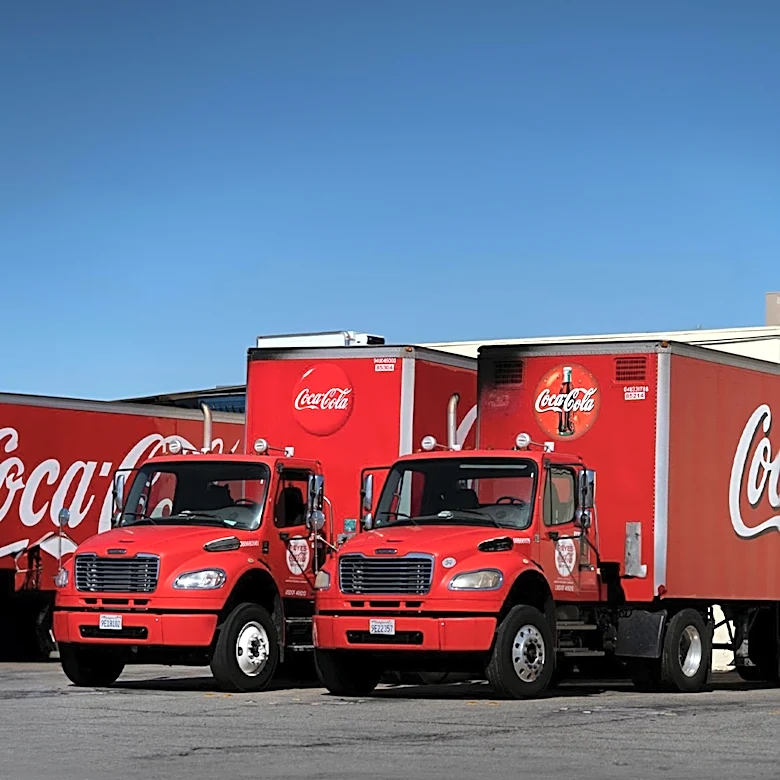
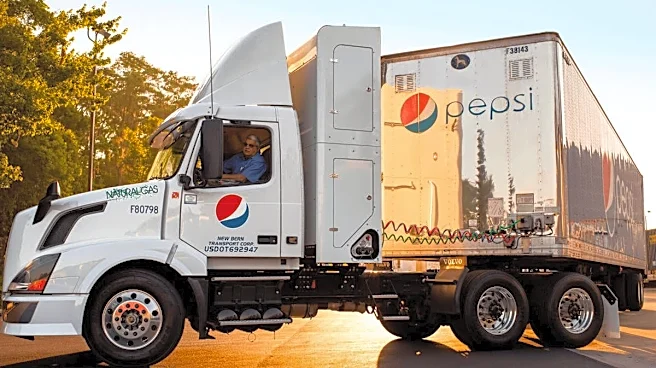
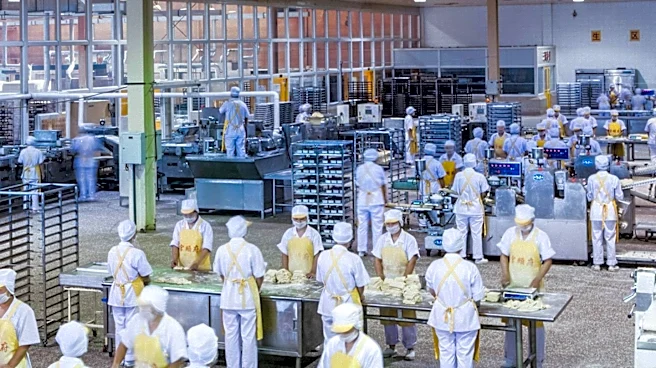
ratio and higher dividend yield, Coca-Cola's stock has consistently delivered higher overall returns. This is attributed to Coca-Cola's asset-light business model, which outsources bottling, trucking, and distribution, leading to higher operating margins. Unlike PepsiCo, which also owns food brands like Frito-Lay and Quaker, Coca-Cola focuses solely on beverages, avoiding the higher input costs associated with packaged foods.
Why It's Important?
Coca-Cola's ability to maintain higher margins and deliver consistent returns makes it an attractive option for investors, despite its higher valuation compared to PepsiCo. The company's focus on beverages and outsourcing strategy allows it to operate with fewer assets, enhancing profitability. This positions Coca-Cola favorably in the market, especially as consumer preferences shift away from packaged foods towards more natural options. Investors seeking long-term growth may find Coca-Cola's business model and market strategy appealing, as it continues to outperform its rival in various time periods.
What's Next?
Investors can expect Coca-Cola to continue leveraging its asset-light model to maintain its competitive edge. The company's focus on beverages and strategic outsourcing may help sustain its higher margins and overall returns. As consumer trends evolve, Coca-Cola's ability to adapt and innovate within the beverage sector will be crucial. Stakeholders will likely monitor how Coca-Cola navigates market dynamics and whether it can maintain its premium valuation over PepsiCo.