








What's Happening?
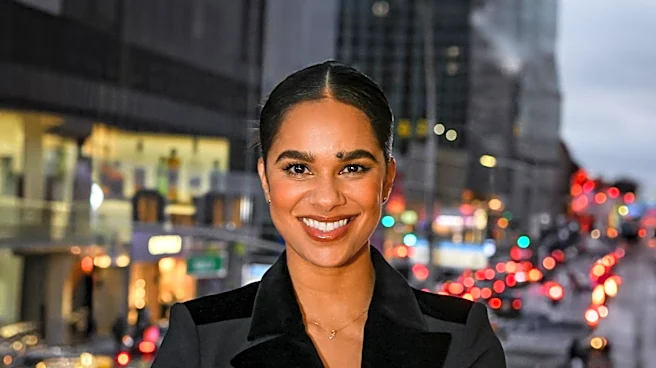
Misty Copeland curated The Joyce Theater's Ballet Festival with the primary goal of showcasing underrepresented Black and other dancers of color. The second week of performances featured notable talents such as American Ballet Theatre’s Madison Brown,
Houston Ballet’s Harper Watters, and Paris Opera Ballet’s Guillaume Diop. While the festival successfully spotlighted these dancers, the critical reception for the choreography was mixed. James Whiteside's 'Mantle,' created in 2014, was highlighted as the most substantial work, demonstrating traditional classical ballet. Other pieces, like Stanton Welch’s 'Clear' and Andrea Miller’s 'Middle Length Poem,' received praise for the dancers' performances but were deemed less memorable choreographically. Dwight Rhoden’s 'Ave Maria' and Ilo’s 'Melt from the Inside Out' were described as audience-pleasing but ultimately 'throwaway' dances. The festival also included a segment of 'Firebird' by John Taras, performed by Alexandra Hutchinson and Derek Brockington of Dance Theater of Harlem.
Why It's Important?
Misty Copeland's curation of the Ballet Festival is a significant step in addressing diversity and representation within the U.S. ballet world. By intentionally spotlighting Black and other dancers of color, the festival directly challenges historical inequities and promotes a more inclusive future for the art form. This initiative is crucial for broadening the appeal of ballet, attracting new audiences, and fostering a more diverse talent pool. The mixed reviews for choreography, however, underscore a broader challenge: while talent among dancers of color is abundant, there may be a need for more opportunities and platforms for choreographers of color to develop and present substantial, innovative works within the classical canon. The festival's impact extends beyond individual performances, influencing discussions about artistic direction, institutional support, and the evolution of ballet in America.
What's Next?
The Ballet Festival's mixed reception, particularly regarding choreography, suggests that future initiatives aimed at promoting diversity in ballet will need to consider a more holistic approach. While showcasing diverse dancers is a vital first step, there will likely be increased pressure to also cultivate and highlight choreographers of color who can create works that are both innovative and deeply rooted in the classical tradition. This could involve dedicated mentorship programs, commissioning new works, and providing platforms for emerging choreographers. The ongoing dialogue sparked by Copeland's curation will likely influence funding decisions, artistic programming, and educational initiatives within major U.S. ballet companies and institutions. The goal will be to ensure that diversity extends beyond the stage to all creative and leadership roles within the ballet community.
Beyond the Headlines
The Ballet Festival curated by Misty Copeland highlights a deeper cultural conversation about representation and artistic excellence in the U.S. arts scene. The tension between showcasing diverse talent and the quality of the presented choreography points to the complex challenges of systemic change. It suggests that simply providing a platform is not enough; there must also be a concerted effort to nurture and elevate diverse voices in all aspects of artistic creation. This extends to the ethical dimension of curation, where the responsibility lies not only in inclusion but also in ensuring that the work presented genuinely advances the art form. The festival's impact could resonate beyond ballet, influencing other artistic disciplines to critically examine their own efforts towards diversity and the quality of the work produced by underrepresented artists. It underscores the ongoing journey towards true equity, where diverse artists are not only seen but also empowered to shape the future of their respective fields with compelling and memorable contributions.