







What's Happening?
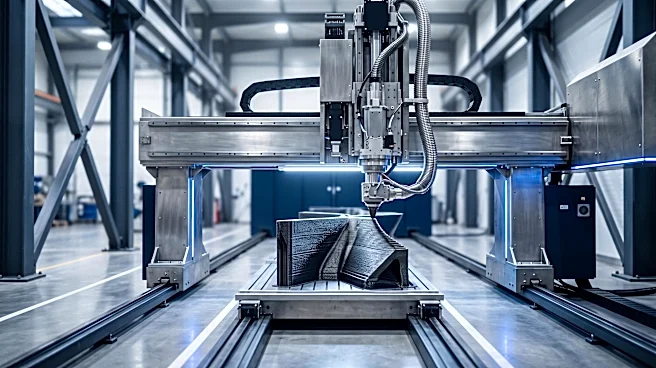
Northrop Grumman Marine Systems, a key supplier to the U.S. Navy, has placed an initial order worth approximately $2.2 million for a large-scale ARCEMY®X system from AML3D Limited. This order, secured after a competitive tender process, includes a two-year
maintenance and services package. The ARCEMY®X system is designed to address U.S. Navy supply chain constraints affecting submarine and naval shipbuilding programs. The system will be supplied from AML3D’s U.S. technology center in Stow, Ohio, and subsequently installed at Northrop Grumman’s manufacturing facility in Sunnyvale, California. This marks a significant step in integrating Australian suppliers into the U.S. submarine industrial base manufacturing efforts, with AML3D becoming the first Australian supplier engaged by Northrop Grumman for this purpose. The payment terms for the order involve a 50% payment upon completion of the initial project milestone, with subsequent payments tied to further milestones through final installation, which is anticipated in the fourth quarter of the 2027 financial year.
Why It's Important?
This order is crucial for enhancing the resilience and efficiency of the U.S. Navy's supply chain, particularly for submarine and naval shipbuilding programs. Northrop Grumman's integration of AML3D's ARCEMY®X system aims to mitigate existing supply chain bottlenecks, which have been a persistent challenge for the U.S. defense sector. By leveraging advanced manufacturing technologies like those offered by AML3D, the U.S. Navy can potentially accelerate production timelines and reduce reliance on traditional manufacturing methods that may be slower or more costly. This collaboration also signifies a broader trend of diversifying the defense industrial base and incorporating international partners to strengthen national security capabilities. For AML3D, this contract validates its strategy to expand its presence in the U.S. defense market, building on its track record of supplying ARCEMY® systems to other major prime contractors such as Newport News Shipbuilding and Austal USA. The successful implementation of this technology could set a precedent for future defense procurement and manufacturing strategies.
What's Next?
The next steps involve the supply of the ARCEMY®X system from AML3D’s Ohio facility and its subsequent installation at Northrop Grumman’s Sunnyvale manufacturing plant, expected by the fourth quarter of the 2027 financial year. Following installation, the system will be integrated into Northrop Grumman’s production processes to support U.S. Navy programs. This initial order is likely to be followed by further collaboration as AML3D continues to embed itself within the U.S. Navy's Marine Industrial Base supply chain. The success of this deployment could lead to additional orders and expanded partnerships, potentially influencing how other defense contractors approach supply chain challenges. The two-year maintenance and services package included in the order suggests a long-term commitment to ensuring the system's operational effectiveness and continued support for Northrop Grumman's manufacturing needs. This development could also encourage other Australian defense technology companies to seek opportunities within the U.S. defense market.
Beyond the Headlines
The partnership between Northrop Grumman and AML3D extends beyond a simple transaction; it represents a strategic shift towards advanced manufacturing techniques, specifically additive manufacturing (3D printing), within the critical defense sector. This move highlights the increasing recognition of 3D printing's potential to revolutionize defense production by enabling faster prototyping, on-demand parts manufacturing, and reduced lead times for complex components. Ethically, this collaboration underscores the importance of international cooperation in strengthening defense capabilities, while also raising questions about intellectual property sharing and technology transfer between allied nations. Culturally, it signifies a growing openness within the U.S. defense industrial base to adopt innovative solutions from global partners, moving away from solely domestic sourcing. The long-term implications could include a more agile and resilient defense supply chain, capable of adapting quickly to evolving geopolitical landscapes and technological advancements, ultimately enhancing national security.