



What's Happening?
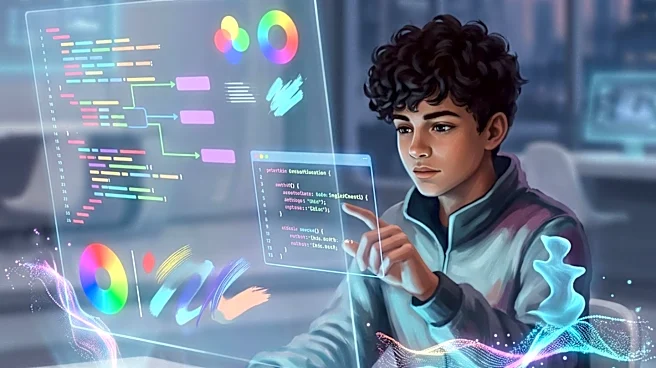
OpenRouter has introduced a new capability allowing users to generate and edit images directly within Claude Code through its MCP server. This integration enables developers to use plain-English requests to create and modify images, such as hero illustrations,
and save them into their project folders. The process involves connecting the OpenRouter MCP server to Claude Code, authenticating the connection, and then using tools like `list-models` to discover image models and `generate-image` to create or alter visuals. Users can specify desired image characteristics, save locations, and even request changes to existing images by referencing them. The system automatically handles model selection and prompt generation based on user input, streamlining the image creation workflow for developers.
Why It's Important?
This development is significant for software developers and content creators who frequently require custom imagery for their projects. By integrating image generation and editing directly into a coding environment like Claude Code, OpenRouter is enhancing productivity and reducing the need for external graphic design tools or specialized skills. This can accelerate development cycles, particularly for web and application interfaces where visual elements are crucial. The ability to iterate on image designs with simple text commands democratizes access to advanced AI image generation, potentially lowering costs and increasing efficiency for businesses and individual developers. It also highlights a growing trend of AI tools becoming more embedded within existing development workflows, making them more accessible and practical for everyday use.
What's Next?
Users can expect continued refinement and expansion of the image generation and editing capabilities within OpenRouter's MCP server. Future updates may include support for a wider array of image models, more advanced editing features, and potentially deeper integration with other development tools. The company may also focus on improving the accuracy and nuance of AI-generated images based on user feedback. As more developers adopt this workflow, there could be an increase in demand for AI models that specialize in specific artistic styles or content types. OpenRouter will likely continue to monitor model performance and user needs to guide future enhancements, aiming to make AI-powered visual content creation even more seamless and powerful.
Beyond the Headlines
The integration of AI image generation into development environments raises broader implications for the creative industry and the future of digital content. It challenges traditional roles of graphic designers and illustrators, potentially shifting their focus towards more conceptual and supervisory tasks rather than manual creation. Ethical considerations regarding AI-generated content, such as copyright, authenticity, and potential misuse, will become increasingly prominent. Furthermore, the ease of generating images could lead to an explosion of visual content, necessitating new methods for content curation and verification. This technological advancement underscores a fundamental shift in how digital assets are produced, moving towards a more automated and AI-driven paradigm that could redefine creative workflows and intellectual property in the digital age.