

What's Happening?
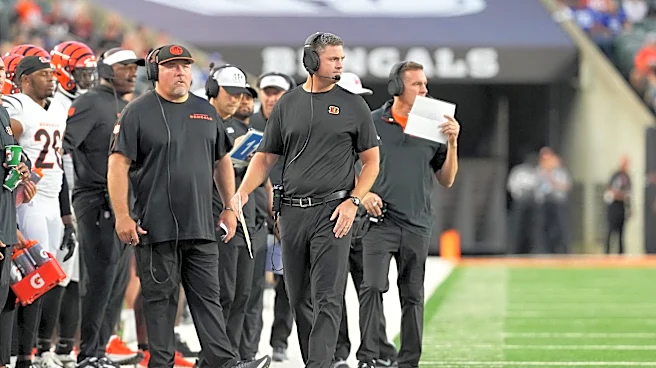
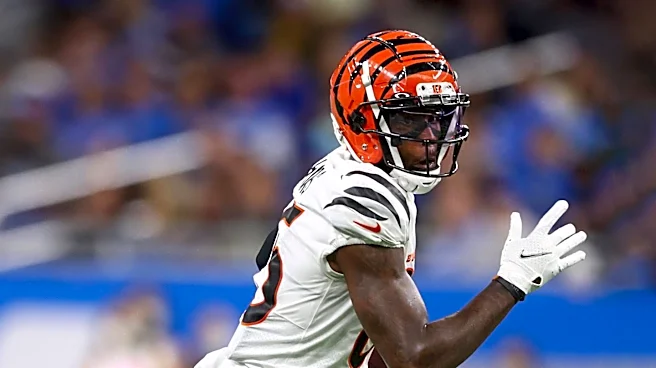
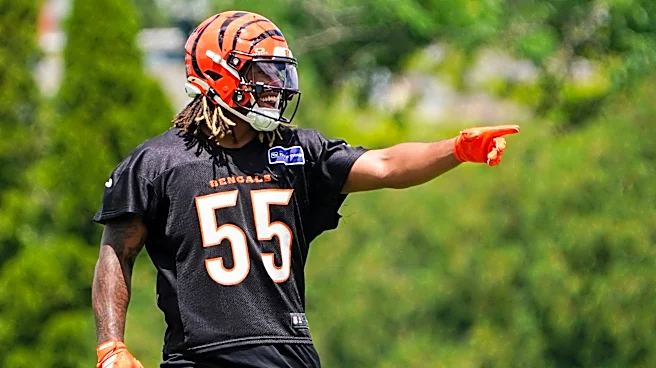
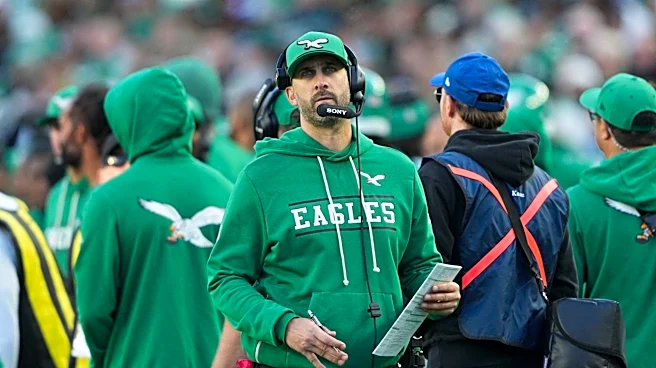
The Cincinnati Bengals agreed to trade a sixth-round pick to the Philadelphia Eagles for edge rusher Arnold Ebiketie but subsequently backed out of the deal before the trade deadline. The decision to withdraw from the trade was made after it was pointed
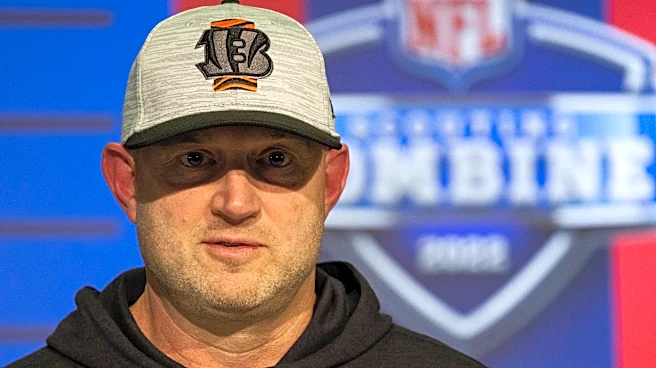
out that acquiring Ebiketie could jeopardize the Bengals' eligibility for a compensatory third-round pick in the 2027 NFL Draft. This compensatory pick is expected due to the free agency loss of Trey Hendrickson to the Baltimore Ravens. The NFL's compensatory pick system is complex, and the acquisition of certain players can offset the gains from losing others, thereby impacting a team's compensatory draft capital. Following the trade debacle, head coach Zac Taylor apologized on behalf of the team's de facto general manager, acknowledging the misstep.
Why It's Important?
This incident highlights the intricate and often opaque nature of the NFL's compensatory draft pick system, which can significantly influence team roster management and trade decisions. For the Bengals, securing a third-round compensatory pick is a valuable asset for future team building, allowing them to acquire talent without expending existing draft capital. The potential loss of such a pick due to a relatively minor trade underscores the financial and strategic importance teams place on these selections. This situation also reflects on the Bengals' front office, as the miscalculation led to public embarrassment and a missed opportunity to strengthen their roster with Arnold Ebiketie. It emphasizes the need for meticulous understanding of league rules and their implications, especially concerning player transactions and their impact on long-term team development and draft strategy.
What's Next?
The Cincinnati Bengals will proceed without Arnold Ebiketie, focusing on their current roster for the remainder of the season. The team will likely continue to prioritize securing their projected 2027 third-round compensatory pick, meaning future free agent acquisitions and trades will be carefully vetted for their impact on this draft capital. The incident may lead to internal reviews of the Bengals' process for evaluating trade implications, particularly regarding compensatory picks. There is also a possibility that the Seattle Seahawks' recent signing of former Bengals guard Cordell Volson to their practice squad could further complicate the compensatory pick situation. If Volson makes the active roster and plays enough snaps, he could potentially count as a compensatory free agent, which might have allowed the Ebiketie trade to proceed without sacrificing the third-round pick. This scenario adds another layer of complexity to the Bengals' future draft outlook.
Beyond the Headlines
The Arnold Ebiketie trade debacle sheds light on the broader strategic considerations NFL teams face beyond immediate on-field performance. The compensatory pick system, while designed to reward teams for developing talent that leaves in free agency, often creates a complex web of calculations that can deter teams from making certain moves. This incident underscores how front office decisions are not just about player talent but also about navigating intricate financial and draft capital rules. It also highlights the increasing role of analytics and specialized personnel in understanding and leveraging these complex regulations. The public apology from the head coach also points to the accountability expected within NFL organizations when strategic missteps occur, reflecting the high stakes involved in every roster decision for a professional sports franchise.