



What's Happening?
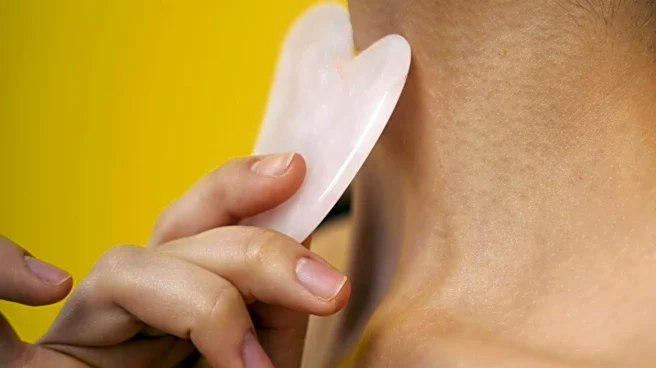
Face yoga, also known as facial yoga or face fitness, involves a series of exercises designed to contract, hold, and release facial muscles. These routines typically last between 3 to 10 minutes and often incorporate light finger resistance. Many practitioners
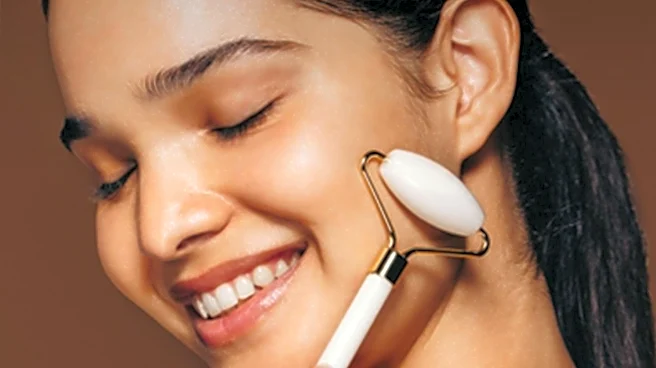
also include facial massages using tools like gua sha, rollers, or cups to relax muscles post-exercise. The practice aims to treat facial muscles similarly to how other body muscles are treated with exercise. While proponents suggest benefits such as increased cheek fullness, scientific evidence supporting these claims remains limited. A small pilot study conducted in 2018 observed changes in cheek fullness after several months of daily exercises, but researchers emphasize the need for larger, more extensive studies to confirm these preliminary findings. The current consensus is that while face yoga may offer some benefits for certain individuals, its overall effectiveness is not yet conclusively proven by robust scientific research.
Why It's Important?
The growing interest in face yoga highlights a broader societal trend towards non-invasive beauty and wellness practices. As consumers increasingly seek natural alternatives to cosmetic procedures, practices like face yoga gain traction, influencing the beauty and wellness industries. This trend can lead to the proliferation of related products and services, from specialized tools to online courses and apps, creating a new market segment. However, the limited scientific backing for face yoga's efficacy raises important questions for consumers and regulators. Without substantial evidence, individuals might invest time and money into practices that yield minimal or no tangible results, potentially diverting them from more effective, evidence-based treatments. For the beauty industry, the challenge lies in balancing consumer demand for natural solutions with ethical marketing that accurately represents the scientific support for such practices. The emphasis on further research is crucial for establishing credibility and ensuring consumer trust in this evolving sector.
What's Next?
The future of face yoga will likely involve continued research to either validate or refute its purported benefits. As interest in non-invasive cosmetic alternatives grows, more studies may be initiated to explore the physiological effects of facial exercises on skin elasticity, muscle tone, and overall facial appearance. If future research provides stronger evidence of efficacy, face yoga could become a more widely accepted and recommended practice within the beauty and wellness communities, potentially leading to standardized routines and professional certifications. Conversely, if studies consistently show limited or no significant benefits, the trend might wane, or its marketing could shift to focus more on relaxation and self-care rather than dramatic cosmetic improvements. The development of specialized apps and guided routines is expected to continue, catering to the demand for accessible home-based beauty solutions, regardless of the definitive scientific consensus.
Beyond the Headlines
Beyond its immediate claims, the popularity of face yoga reflects deeper cultural attitudes towards aging and beauty in the U.S. There's a persistent desire to maintain a youthful appearance, often driven by societal pressures and media portrayals of beauty. Face yoga taps into this desire by offering a seemingly natural and accessible method to combat signs of aging without resorting to surgical or injectable interventions. This trend also underscores a broader shift towards holistic wellness, where individuals seek to integrate physical exercises and mindful practices into their daily routines for overall well-being, extending beyond just the body to include the face. The ethical implications for marketing these practices are significant; companies must navigate the line between promoting potential benefits and making unsubstantiated claims, especially in an industry where consumer vulnerability regarding appearance is high. This also highlights the ongoing tension between traditional beauty wisdom and evidence-based scientific validation.