






What's Happening?
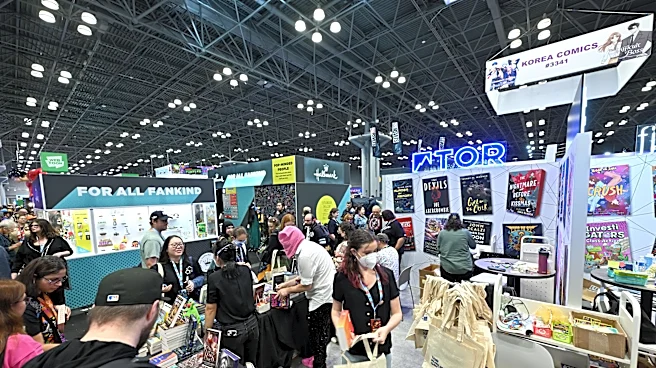
The inaugural Brooklyn Expo of Comics (BEC) successfully brought back an in-person comics festival to Brooklyn from November 15–16, filling the void left by the defunct Comic Arts Brooklyn (CAB). Held at Our Lady of Mt. Carmel church in Williamsburg,
the event attracted approximately 5,000 attendees over two days, featuring established and emerging cartoonists, graphic novels, and art installations. Many artists expressed a sense of homecoming, as the location was also used by CAB. The festival was organized by the Brooklyn Organization Dedicated to the Endurance of the Graphic Arts (BODEGA), which aimed to cater to Brooklyn's community of cartoonists and comics fans. BEC also hosted panels in an adjoining building, curated by Gabe Fowler, owner of Desert Island comics store and original CAB organizer. Notable panels included conversations between Caroline Cash and Alison Bechdel, Lisa Hanawalt and Emily Flake, and Art Spiegelman with Gary Groth discussing Harvey Kurtzman. The event culminated with the first-ever BODEGA Cat Awards, recognizing independent and self-published cartoonists.
Why It's Important?
The successful launch of the Brooklyn Expo of Comics is significant for the U.S. independent comics scene and local cultural events. After the pandemic led to the cessation of Comic Arts Brooklyn, a major platform for indie cartoonists, BEC has revitalized a crucial gathering point for artists and fans. This event provides a vital space for independent creators to showcase their work, connect with their audience, and engage with peers, fostering community and economic opportunities within the niche market of graphic novels and comics. The strong attendance and positive feedback, including reports of artists selling out of books, underscore the demand for such dedicated festivals outside of larger, more commercial events like New York Comic Con. By bringing together diverse voices and generations of cartoonists, BEC contributes to the ongoing evolution and appreciation of the comic art form, ensuring that Brooklyn remains a vibrant hub for creative expression in the visual storytelling medium. The BODEGA Cat Awards further highlight and celebrate the achievements of independent artists, providing recognition that can be crucial for their careers.
What's Next?
With its successful inaugural event, the Brooklyn Expo of Comics and its organizing body, BODEGA, are poised to continue supporting the comics community in Brooklyn. Organizers have expressed intentions for BODEGA to operate beyond just the annual expo, aiming to support comics throughout the year in Brooklyn. This could involve collaborations with local institutions, such as the Brooklyn Public Library, for programming related to children's comics or other community engagement initiatives. The positive reception and strong attendance suggest that BEC will likely become an annual fixture, potentially expanding in scope, size, or programming in future editions. The organizers will likely build on the success of their curated panels and awards ceremony, further solidifying BEC's reputation as a significant event for independent comics. Continued support from the community, artists, and attendees will be crucial for its sustained growth and its mission to foster the graphic arts in Brooklyn.
Beyond the Headlines
The return of a dedicated independent comics festival in Brooklyn, embodied by BEC, reflects a broader cultural resilience and the enduring appeal of physical gatherings in an increasingly digital world. In an era where digital consumption dominates, the act of physically browsing comics, interacting directly with artists, and attending live panels offers a unique, tangible experience that digital platforms cannot fully replicate. This event also highlights the importance of local cultural initiatives in preserving and promoting niche art forms. For the comics industry, it underscores a continued demand for diverse narratives and artistic styles that often find less mainstream exposure. Ethically, such festivals provide a platform for marginalized voices and experimental art, fostering inclusivity and challenging conventional storytelling. Culturally, they reinforce the idea of comics as a legitimate and evolving art form, capable of addressing complex social themes and connecting with diverse audiences, moving beyond traditional perceptions of the medium. The success of BEC is a testament to the power of community and the enduring human need for shared cultural experiences.