










What's Happening?
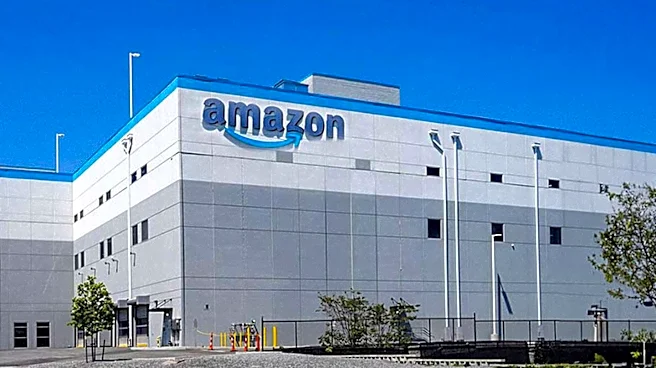
Amazon is in the process of closing an unspecified number of grocery partner storefronts that operate on Amazon.com. This strategic shift aims to streamline the e-commerce shopping experience for customers by reducing friction and simplifying the available
grocery options. Instead of hosting individual third-party grocer storefronts, Amazon plans to direct shoppers to the most suitable grocery choices offered directly through its marketplace. While moving away from its role as a third-party platform for other grocers, Amazon is simultaneously intensifying its investment and expansion in its proprietary online grocery services. This includes a significant push for same-day delivery of perishable goods. Currently, Amazon offers same-day fresh grocery delivery to over 2,300 cities and towns across the U.S., in addition to select areas in Tokyo and London. The company has also announced intentions to broaden its reach into more regions within Japan and the U.K., with further international expansion planned for the coming months.
Why It's Important?
This move by Amazon signifies a critical pivot in its grocery strategy, impacting both its third-party partners and the broader online grocery market. By discontinuing individual grocery storefronts, Amazon is consolidating its control over the customer journey, potentially increasing traffic and sales for its own grocery brands like Amazon Fresh and Whole Foods Market. This could disadvantage smaller, independent grocers who relied on Amazon's platform for online visibility and sales, forcing them to seek alternative e-commerce solutions or invest more heavily in their own digital infrastructure. For consumers, the change is presented as a simplification, but it could also lead to reduced choice if fewer third-party grocers are easily accessible through Amazon's primary interface. The aggressive expansion of Amazon's same-day perishables delivery service underscores its ambition to dominate the online fresh food market, directly competing with established grocery chains and other delivery services. This intensified competition could drive innovation in delivery logistics and customer service across the industry, but also poses a significant threat to businesses unable to match Amazon's scale and investment.
What's Next?
In the immediate future, Amazon will continue to guide shoppers towards its preferred grocery options as the third-party storefronts are phased out. The company is expected to further integrate its own grocery offerings, such as Amazon Fresh and Whole Foods Market, more prominently within its e-commerce platform. This will likely involve enhanced search functionalities and personalized recommendations to steer customers toward Amazon's direct services. Concurrently, Amazon plans to accelerate the expansion of its same-day fresh grocery delivery capabilities, targeting new cities and towns within the U.S., and extending its international footprint beyond current operations in Japan and the U.K. This expansion will likely involve significant investments in logistics, cold chain infrastructure, and delivery personnel. Third-party grocers previously utilizing Amazon's platform will need to adapt by strengthening their independent online presence, exploring partnerships with other delivery aggregators, or developing their own direct-to-consumer delivery models to retain their customer base.
Beyond the Headlines
This strategic shift by Amazon has deeper implications for the future of grocery retail and the competitive landscape of e-commerce. By centralizing grocery sales around its own brands and services, Amazon is not just simplifying the user experience; it's also gathering more comprehensive data on consumer purchasing habits for fresh and perishable goods. This data can be leveraged to optimize inventory, personalize marketing, and refine its supply chain, creating a formidable competitive advantage. The move also highlights a broader trend in e-commerce where dominant platforms are increasingly prioritizing their own offerings over third-party sellers, potentially leading to concerns about market concentration and fair competition. For consumers, while convenience may improve, the long-term effect could be a reduction in the diversity of available grocery options and potentially less competitive pricing if Amazon gains a near-monopoly in certain online fresh food segments. This could prompt regulatory scrutiny regarding antitrust implications in the rapidly evolving online grocery sector.