

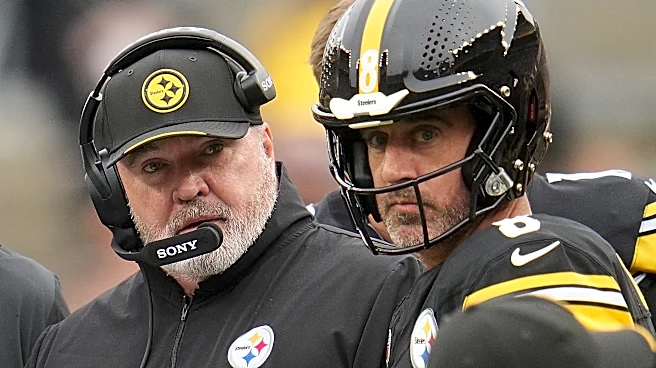
What's Happening?
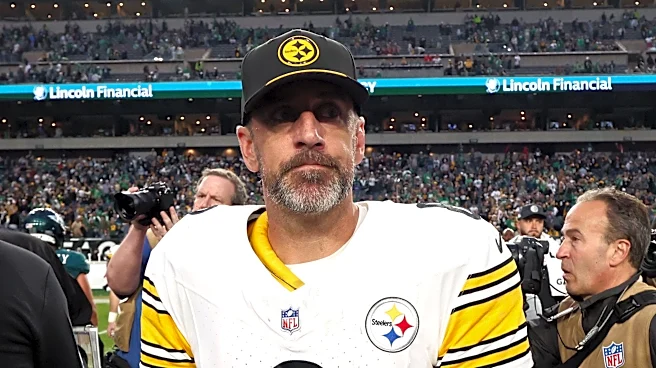
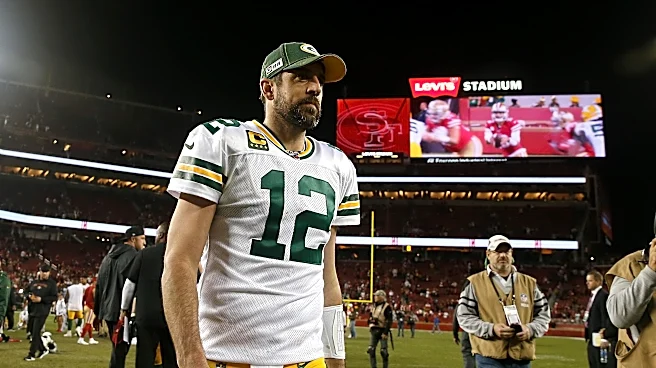
Aaron Rodgers' past comments regarding a scandal involving Mike Vrabel and NFL journalist Dianna Russini have resurfaced. These remarks, initially made on "The Pat McAfee Show" in August and later on the "Not Just Football" podcast, are gaining renewed
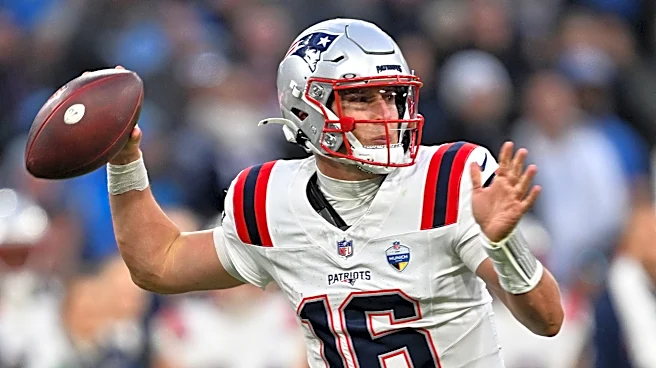
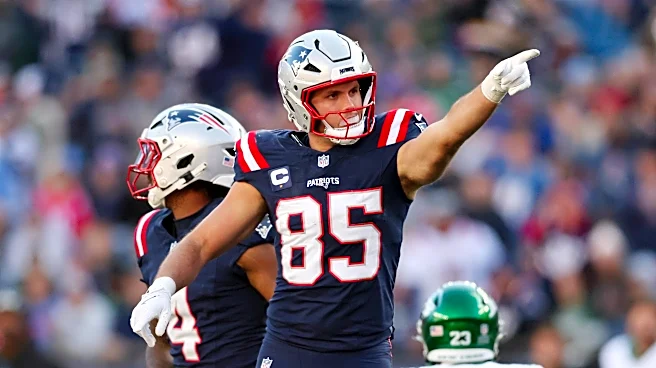
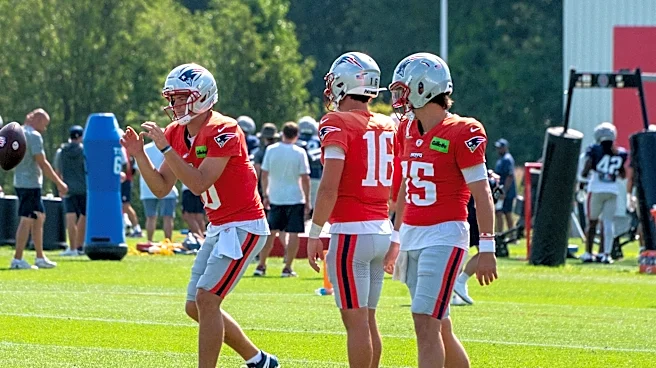
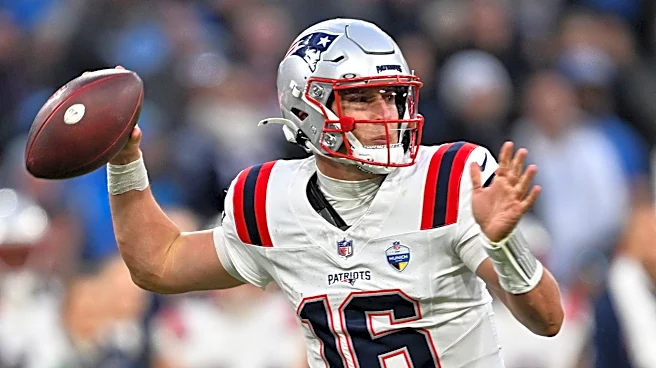
attention as the New England Patriots face a quarterback shortage and are in a playoff race. The Patriots are currently without Drake Maye due to injury, relying on Tommy DeVito as an interim solution. Rodgers, a four-time NFL MVP, is seen by some as a potential fit for the Patriots, given his talent and the team's urgent need for a quarterback. However, his previous public commentary on the Vrabel-Russini situation could complicate any potential move to Foxborough.
Why It's Important?
This situation highlights the significant impact that off-field comments and past controversies can have on a professional athlete's career and potential team affiliations. For the New England Patriots, the need for a capable quarterback is critical to their playoff aspirations, especially with the Buffalo Bills dominating the AFC East. While Rodgers' talent is undeniable, his outspoken nature and willingness to comment on sensitive league matters, such as the Vrabel-Russini scandal, could be a deterrent for teams considering him. This scenario underscores the delicate balance between a player's on-field performance and their public persona, and how it can influence team decisions, particularly in high-stakes situations like a playoff push. The resurfacing of these remarks could create a dilemma for the Patriots, weighing a player's talent against potential locker room or public relations challenges.
What's Next?
As the Patriots continue their playoff push, the team will need to assess their quarterback situation carefully. If Drake Maye's injury sidelines him for an extended period, the pressure to find a viable replacement will intensify. The resurfacing of Aaron Rodgers' comments could lead to internal discussions within the Patriots organization regarding his suitability, both as a player and a public figure. Rodgers, who will be able to sign wherever he chooses once he hits the open market, will likely be evaluating his options, considering teams that are in contention and can accommodate his personality. The coming weeks will reveal whether the Patriots prioritize immediate on-field talent over potential off-field complexities, or if Rodgers' past remarks will indeed keep him off their radar.
Beyond the Headlines
The resurfacing of Aaron Rodgers' comments on the Mike Vrabel-Dianna Russini scandal delves into broader issues concerning media ethics, player-media relations, and the influence of public commentary within professional sports. Rodgers' remarks questioned the lack of public discourse around the scandal and the potential impact of individuals, like journalists who are also MVP voters, on league affairs. This raises questions about transparency in sports reporting, the accountability of figures within the sports media landscape, and the boundaries of player commentary on sensitive topics. It also highlights the power dynamics between athletes, coaches, and the media, and how these interactions can shape narratives and influence perceptions within the league. The incident underscores the ongoing tension between the desire for open dialogue and the need to maintain professional decorum in the highly scrutinized world of professional sports.