


What's Happening?
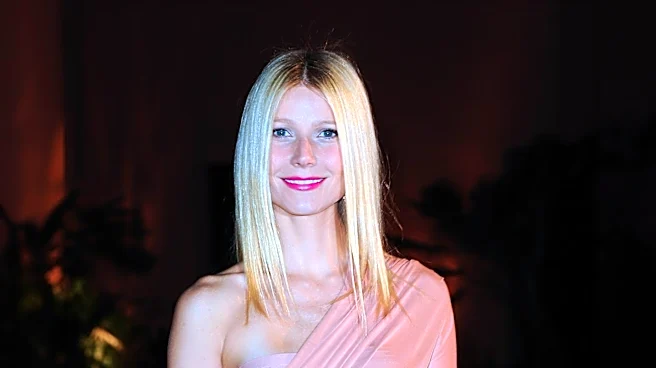
Goop founder Gwyneth Paltrow has reportedly postponed a Hamptons dinner party intended to honor OpenAI founder Sam Altman. The event, initially planned as an "off the record" gathering in Amagansett, faced significant backlash, particularly from the filmmaking
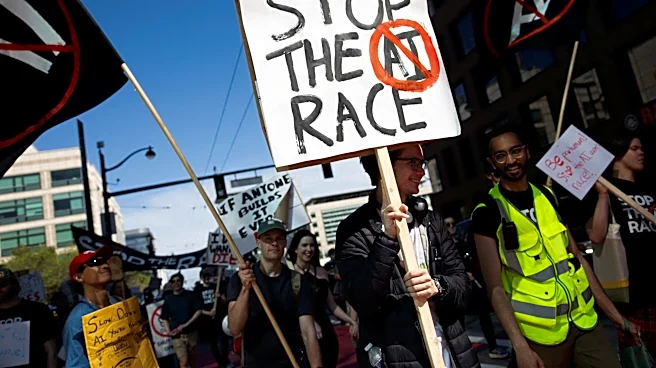
community and on social media. Many in the entertainment industry expressed concerns that Altman's artificial intelligence products could lead to job displacement. Paltrow was accused of aligning herself with "evil" and "technofascism" due to her association with Altman. Following the widespread negative reaction, the dinner was reportedly called off, at least for the time being, with sources indicating it might not happen at all. Paltrow playfully responded to the uproar on Instagram with AI-generated parody invitations featuring fictional characters.
Why It's Important?
This incident highlights the growing tension and anxiety within the U.S. entertainment industry regarding the impact of artificial intelligence on creative jobs and intellectual property. The backlash against Gwyneth Paltrow's planned dinner for Sam Altman underscores a significant cultural divide between the tech sector and creative fields. For Hollywood, which has recently experienced strikes partly fueled by AI concerns, the perception of a celebrity endorsing a leading AI figure can be highly controversial. This event serves as a public manifestation of the broader societal debate about AI's role in the workforce and its ethical implications. It demonstrates that public figures and companies associated with AI development may face increasing scrutiny and potential reputational risks if they are perceived as insensitive to these concerns. The incident also reflects the power of social media in mobilizing public opinion and influencing events, even private ones.
What's Next?
The postponement of the dinner suggests that public sentiment and industry concerns about AI are having a tangible impact on social and professional interactions. It is likely that both Sam Altman and Gwyneth Paltrow will be more cautious in their public engagements and associations moving forward, particularly concerning events that could be perceived as insensitive to the AI debate. The incident may also prompt other public figures and tech leaders to consider the broader implications of their actions and affiliations in the context of AI's societal impact. For the entertainment industry, this event could further solidify the resolve of unions and creative professionals to advocate for stronger protections against AI-driven job displacement. The ongoing dialogue between the tech and creative sectors is expected to intensify, potentially leading to more formal discussions, negotiations, or even regulatory efforts regarding AI's role in creative fields.
Beyond the Headlines
The controversy surrounding Gwyneth Paltrow's dinner for Sam Altman delves into the deeper cultural and ethical anxieties surrounding the rapid advancement of artificial intelligence. It exposes a fundamental clash between technological progress and humanistic values, particularly in creative domains where originality and human input are highly prized. The accusations of "technofascism" reflect a fear that AI could become a tool for control or dehumanization, rather than empowerment. This event also highlights the role of celebrities as cultural arbiters and the increasing expectation for them to align with socially responsible causes. The incident serves as a microcosm of the larger societal challenge of integrating powerful new technologies without eroding human agency, creativity, or economic stability. It underscores the need for a nuanced public discourse that addresses both the potential benefits and the profound risks of AI, moving beyond simplistic narratives of progress or peril.