






What's Happening?
The U.S. retail sector experienced a significant rebound in demand for space during the third quarter of 2026, according to Lee & Associates' Q3 2026 North America Market Report. Net absorption for retail space reached 9,969,407 square feet in Q3, bringing
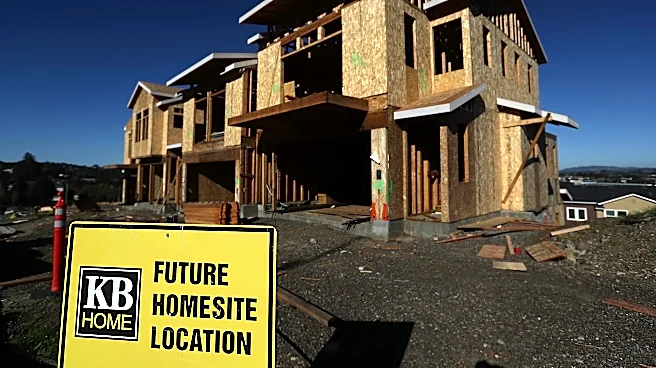
the year-to-date total to 15,360,897 square feet. This marks a substantial turnaround from 2025, which saw virtually flat tenant growth. The overall vacancy rate for retail space settled at a near-historic low of 4.3 percent. The recovery is broad-based, with expansion observed across various retail formats including value-oriented, grocery, off-price, fitness, restaurant, and service-oriented categories. Retailers are continuing to expand, and the pace of new store openings is outstripping closures nationally. A key factor supporting these strong fundamentals is the limited supply of retail space, with construction starts remaining near decade lows despite high demand. Elevated construction and financing costs are suppressing speculative development, leading to a scarcity of quality available properties.
Why It's Important?
This rebound in the U.S. retail sector signifies a robust recovery and strong underlying demand from merchants, impacting various stakeholders. For retailers, the tight market conditions mean increased competition for prime locations, potentially leading to higher rents and operational costs. However, it also indicates strong consumer activity and confidence, which bodes well for sales growth. Property owners and investors in retail real estate stand to benefit from low vacancy rates and potential rent increases, although the high cost of new construction limits new supply. The broad-based recovery across diverse retail formats suggests resilience in consumer spending habits, supporting a wide array of businesses from essential services like groceries to discretionary spending in fitness and restaurants. The suppression of speculative development due to high costs also means that existing, well-located retail assets will likely appreciate in value, making them attractive investments.
What's Next?
Looking ahead, the U.S. retail sector is likely to continue facing tight market conditions due to persistent low supply and sustained retailer demand. The elevated signing pace for future store openings suggests that this trend will continue, with retailers actively seeking expansion opportunities despite the scarcity of available space. Developers will likely continue to face challenges in initiating new projects due to high construction and financing costs, which could further constrain supply. This environment may lead to continued upward pressure on rental rates in desirable markets. Geographically, Sun Belt markets are expected to maintain strong rent gains, while some Midwest markets may see reacceleration as excess availability is absorbed. Supply-constrained coastal markets will likely benefit from limited new development. The primary challenge remains project feasibility, as developers require rents significantly above prevailing market levels to justify new speculative construction, indicating that the current supply-demand imbalance will persist in the near term.
Beyond the Headlines
The sustained tightness in the U.S. retail real estate market, characterized by low vacancy rates and suppressed new construction, points to deeper structural shifts. The reluctance of developers to engage in speculative projects due to high costs and the gap between achievable rents and replacement costs suggests a more cautious and demand-driven development cycle. This could lead to a more efficient allocation of retail space, with a greater emphasis on repurposing existing structures or strategic infill development rather than large-scale new builds. Furthermore, the broad-based recovery across diverse retail formats, including value-oriented and service-oriented businesses, highlights evolving consumer preferences. There's a clear demand for experiential retail and essential services, indicating a shift away from traditional big-box retail. This trend could foster innovation in retail design and tenant mix, as landlords seek to create dynamic environments that attract and retain customers in a competitive landscape. The long-term implication is a more resilient and adaptable retail sector, less prone to oversupply and more aligned with contemporary consumer needs.