




What's Happening?
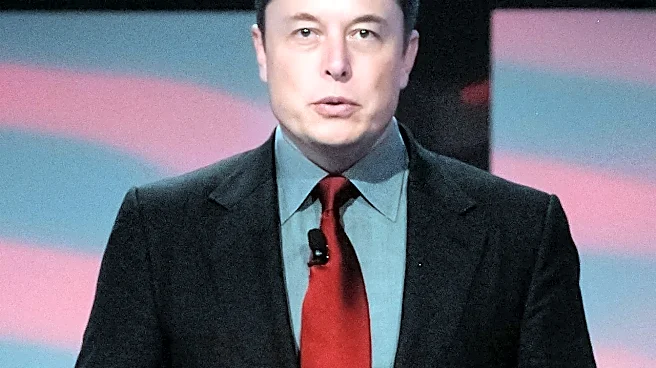
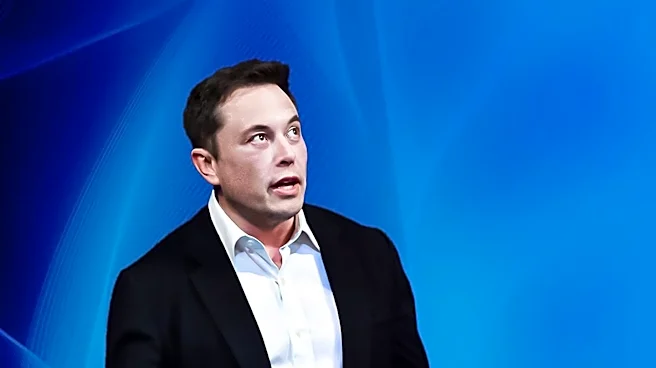
Elon Musk has publicly criticized Delta Air Lines Inc. CEO Ed Bastian for choosing Amazon.com Inc.'s Leo satellite internet service over SpaceX's Starlink for in-flight Wi-Fi. Musk stated that Bastian 'will lose his job over this' following unverified
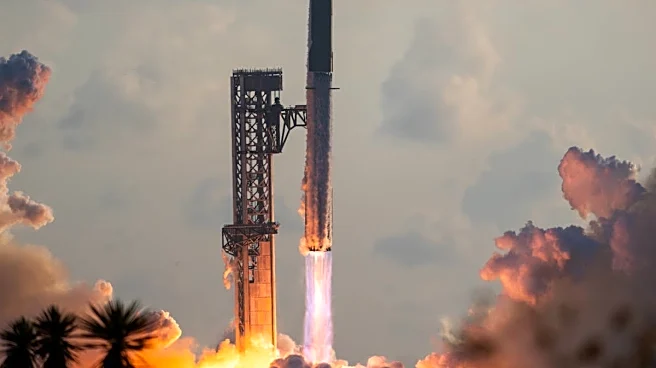
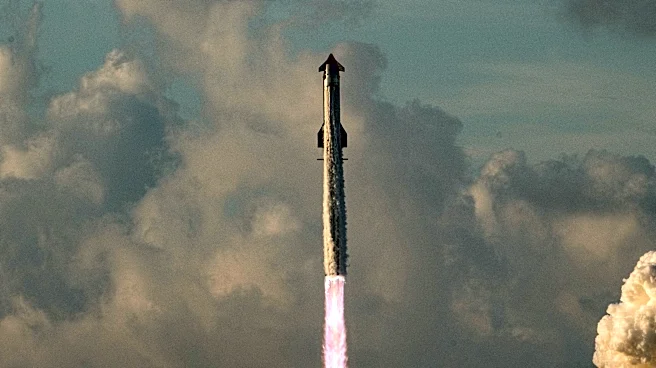
comments attributed to the Delta CEO circulating on X, suggesting a reluctance to partner with Musk. Bastian had previously defended Delta's decision, citing improved bandwidth at a lower price point offered by Amazon Leo. While Amazon plans a network of over 7,000 satellites, it currently has only about 400 in orbit, and its aviation product has not been tested at Starlink's scale. In contrast, SpaceX has more than 11,000 Starlink satellites in orbit and 12 million active users, with several major airlines, including United Airlines Holdings Inc., American Airlines Group Inc., and Southwest Airlines Co., already implementing Starlink.
Why It's Important?
This dispute highlights the intensifying competition among airlines to provide high-quality in-flight internet access, which has become a crucial factor in attracting and retaining high-spending customers. The choice of satellite internet provider can significantly impact an airline's operational costs and customer satisfaction, as carriers aim to offer connectivity fast enough for streaming, video calls, and online gaming. For SpaceX, securing airline partnerships is vital for expanding Starlink's market presence and revenue streams, especially as it faces competition from Amazon's emerging Leo service. The public nature of Musk's criticism also underscores the aggressive competitive landscape in the satellite internet sector and its implications for corporate leadership decisions.
What's Next?
The ongoing public dispute could lead to increased scrutiny of Delta's decision to partner with Amazon Leo, particularly as Amazon's service is still in its early stages of deployment and testing compared to Starlink's established network. Other airlines, such as United and American, are already leveraging their Starlink partnerships to attract Delta's customers through status-matching programs, potentially intensifying competition for passenger loyalty. The success of Amazon Leo's future launches and its ability to scale its service will be critical in validating Delta's choice. Meanwhile, SpaceX is expected to continue expanding its Starlink network and securing more airline agreements, further solidifying its position in the in-flight connectivity market.
Beyond the Headlines
This incident reflects a broader trend of high-profile business leaders engaging in public disputes, often through social media, which can significantly influence market perceptions and competitive dynamics. The battle for in-flight Wi-Fi dominance also points to the increasing integration of advanced satellite technology into everyday consumer services, transforming industries like aviation. The reliability and performance of these satellite networks are not just technical achievements but also critical components of customer experience and brand reputation. Furthermore, the challenges faced by Amazon's launch providers, such as Blue Origin's recent launchpad explosion, highlight the inherent risks and complexities in the space industry, which can impact the rollout of commercial services.