







What's Happening?
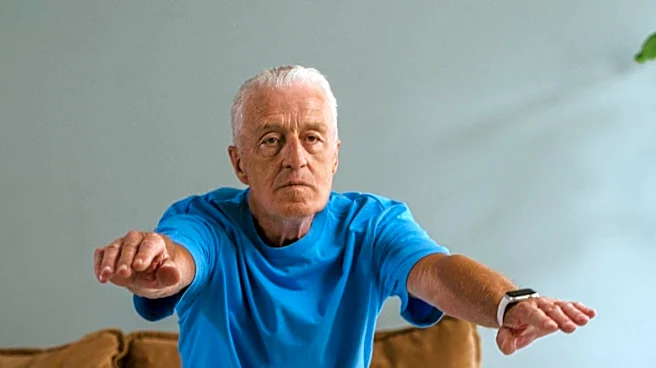
Strength training is proving to be highly beneficial for individuals of all ages, including those over 50, women, and even those in their 80s. This form of exercise helps to preserve muscle mass and strength, effectively slowing down sarcopenia—the age-related
loss of muscle mass. It also plays a crucial role in improving or maintaining bone mineral density. Research highlights the significant impact of strength training, showing that it can substantially increase bone mineral density in postmenopausal women and lead to considerable strength gains in frail elderly individuals. For instance, a study involving ten frail nursing home residents aged 86 to 96 demonstrated an average strength gain of 174% in thigh muscles after eight weeks of resistance training. This improvement directly translates to enhanced daily functionality, such as getting out of a chair, carrying groceries, and maintaining balance.
Why It's Important?
The widespread adoption of strength training has significant implications for public health and individual well-being in the U.S., particularly given the country's aging population. By combating sarcopenia and improving bone density, strength training can reduce healthcare costs associated with age-related conditions like falls and osteoporosis. Enhanced physical strength and balance contribute to greater independence among older adults, reducing the need for assisted living and long-term care services. This not only benefits individuals by improving their quality of life and confidence but also alleviates pressure on healthcare systems and family caregivers. Furthermore, regular strength exercise is linked to better management of chronic conditions such as arthritis, type 2 diabetes, and heart disease, promoting overall health and reducing the burden of these illnesses on the healthcare infrastructure.
What's Next?
Given the proven benefits, there is a growing emphasis on integrating progressive, personalized strength training programs into routine health recommendations for all age groups, especially seniors. Healthcare providers and fitness professionals are likely to increasingly recommend and design tailored strength training regimens. This could lead to a greater demand for qualified trainers specializing in older adult fitness and the development of more accessible and age-appropriate exercise facilities. Public health campaigns may also focus on educating the population about the importance of strength training, potentially leading to policy changes that support its inclusion in community health initiatives and preventative care strategies. The continued research into optimal training methods for different demographics will further refine these recommendations.
Beyond the Headlines
Beyond the immediate physical benefits, the widespread adoption of strength training can foster a cultural shift towards proactive aging and a more holistic view of health. It challenges the traditional perception that physical decline is an inevitable and unchangeable aspect of aging, empowering individuals to take control of their physical capabilities. This shift can lead to increased social engagement and mental well-being, as improved physical function allows older adults to participate more actively in their communities and maintain hobbies. Ethically, it underscores the importance of providing equitable access to fitness resources and knowledge for all age groups, ensuring that everyone has the opportunity to benefit from these life-enhancing practices. The long-term societal impact could be a healthier, more independent, and more engaged senior population.