




What's Happening?
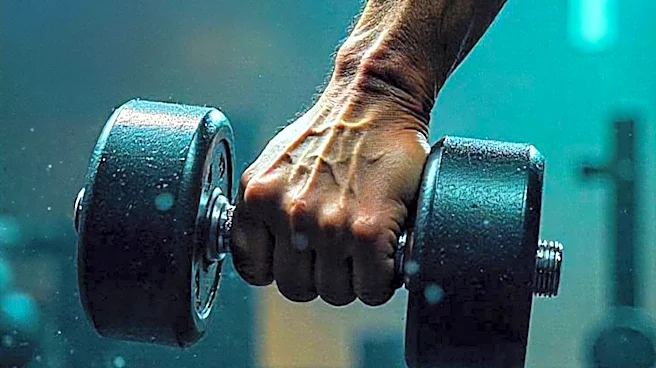
Developing strong forearms is crucial for overall grip strength, supporting upper-body lifts, and facilitating everyday tasks. The forearm comprises several muscles, including flexors (palm side), extensors (back side), and the brachioradialis, which
work together for wrist control, hand movement, and grip. Effective forearm training involves a variety of exercises that target these different functions. Key exercises include wrist curls (for flexors), reverse wrist curls (for extensors), hammer curls and reverse curls (engaging brachialis and brachioradialis), farmer's carries (for grip strength and endurance), wrist rollers, cable wrist curls, and plate pinch holds (for pinch grip). Beginners are advised to start with lighter resistance, focus on control, and gradually increase weight, repetitions, or hold time as strength improves.
Why It's Important?
Strong forearms are not merely for aesthetics; they are fundamental for functional strength and injury prevention. A robust grip enhances performance in compound lifts like deadlifts, rows, and pull-ups, which indirectly work the forearms. This improved grip can lead to greater overall strength gains and better execution of various exercises. Furthermore, strong forearms contribute to ease in daily activities, from carrying groceries to opening jars, significantly improving quality of life. For individuals engaged in any form of strength training, neglecting forearm development can create a weak link, limiting progress in other areas and potentially increasing the risk of wrist or elbow issues. Consistent training, progressive resistance, and adequate recovery are vital for muscle growth and strength in this area.
What's Next?
To build a balanced forearm workout, individuals should select two to four exercises that target different forearm functions, such as a flexor exercise, an extensor exercise, and a grip-focused hold. Beginners can start with one to two sets of 8-12 controlled repetitions for curls, and 15-30 seconds for carries and holds. Forearms receive indirect work from many compound lifts, so direct forearm training typically complements these movements rather than being an isolated daily routine. Most beginners can start with one to two dedicated forearm sessions per week, spaced out to allow for recovery. Paying attention to the body's recovery signals, such as soreness or fatigue, is crucial for adjusting training frequency and intensity.
Beyond the Headlines
The emphasis on forearm strength highlights a broader understanding of integrated body mechanics in fitness. Often overlooked in favor of larger muscle groups, forearm development underscores the importance of foundational strength and the interconnectedness of the muscular system. This focus on functional, often smaller, muscle groups reflects a more sophisticated approach to training that prioritizes overall physical resilience and performance. It also encourages a mindful approach to exercise, where attention is paid to all parts of the body, fostering a more balanced and less injury-prone physique. This holistic perspective can lead to greater longevity in training and improved physical capabilities throughout life.