



What's Happening?
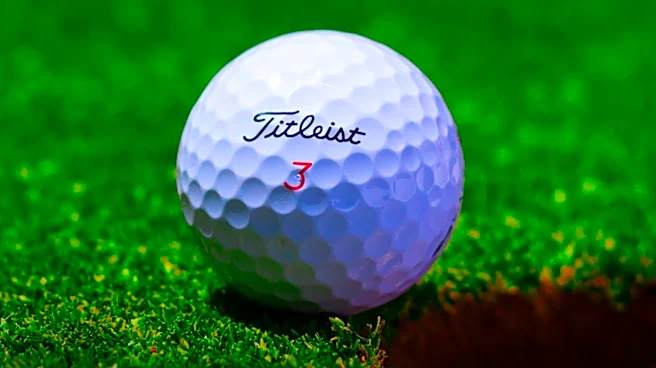
Titleist has provided an in-depth look at its performance golf ball lineup, which includes the Velocity, TruFeel, and Tour Soft models. This lineup is distinct from their urethane-covered balls and is characterized by varying replacement cycles and performance objectives.
The Velocity ball is engineered for maximum distance through high speed and lower spin, making it one of the firmest ionomer offerings. The TruFeel, conversely, prioritizes a soft feel, though it is not the absolute softest on the market, aiming to balance feel with speed and distance, particularly for slower swingers. The Tour Soft is presented as an outlier within the ionomer/Surlyn range, designed to mimic the performance of high-performance urethane balls at a more accessible price point. Unlike Velocity and TruFeel, which have seen extended four-year replacement plans, Tour Soft maintains a two-year update cycle. Titleist emphasizes that these balls are purpose-built, with each model focusing on specific performance attributes, reflecting a broader industry trend of longer product lifecycles due to the increasing difficulty of significant year-over-year improvements.
Why It's Important?
This detailed overview of Titleist's performance golf ball lineup is important for U.S. golf consumers and the broader golf equipment industry. For golfers, it clarifies the distinct advantages and compromises of each model, enabling more informed purchasing decisions based on individual playing styles and preferences, such as prioritizing distance, feel, or a balance of performance at a lower cost. The emphasis on longer replacement cycles for Velocity and TruFeel highlights a trend in the golf equipment market where manufacturers are acknowledging the maturity of technology and the challenges in delivering substantial annual innovations. This could influence consumer expectations regarding new product releases and potentially lead to more stable pricing for existing models. Furthermore, Titleist's commitment to manufacturing its performance line in-house, unlike many competitors who outsource lower-cost models, underscores a focus on quality and consistency. This strategy could reinforce brand loyalty among consumers who value product reliability and performance, potentially impacting market share dynamics within the competitive U.S. golf ball sector.
What's Next?
Consumers can expect to continue seeing these specific Titleist golf ball models—Velocity, TruFeel, and Tour Soft—available in the market, with their respective update cycles maintained. The Tour Soft, with its two-year cycle, will likely see its next iteration sooner than Velocity and TruFeel, which are on a four-year plan. This staggered release schedule allows Titleist to focus on refining specific performance aspects for each ball. The company will likely continue to emphasize the unique design objectives of each model in its marketing efforts, targeting different segments of the golf population. For the broader golf equipment industry, Titleist's approach to product lifecycles and in-house manufacturing could serve as a benchmark or influence strategies, particularly concerning the balance between innovation, cost, and quality control. Future developments might include further advancements in material science to push the boundaries of ionomer performance, or new marketing campaigns that highlight the specific benefits for various golfer profiles, from those seeking maximum distance to those prioritizing feel around the greens.
Beyond the Headlines
The detailed breakdown of Titleist's golf ball lineup reveals deeper implications regarding consumer behavior and manufacturing philosophy in the sports equipment industry. The acknowledgment of extended replacement cycles for Velocity and TruFeel suggests a shift from rapid, incremental updates to more significant, less frequent innovations. This could lead to a more sustainable consumption model, where golfers are less pressured to constantly upgrade their equipment. The positioning of Tour Soft as a high-performance ionomer ball that rivals urethane models at a lower price point highlights a strategic effort to democratize advanced golf technology, making high-quality performance accessible to a broader range of players. This could challenge the perception that premium performance is exclusively tied to the highest price points. Furthermore, Titleist's commitment to in-house manufacturing for its performance line, contrasting with competitors' outsourcing, speaks to a dedication to quality control and brand integrity. This approach, while potentially increasing production costs, aims to ensure consistency and performance, fostering long-term trust and loyalty among consumers in a highly competitive market.