


What's Happening?
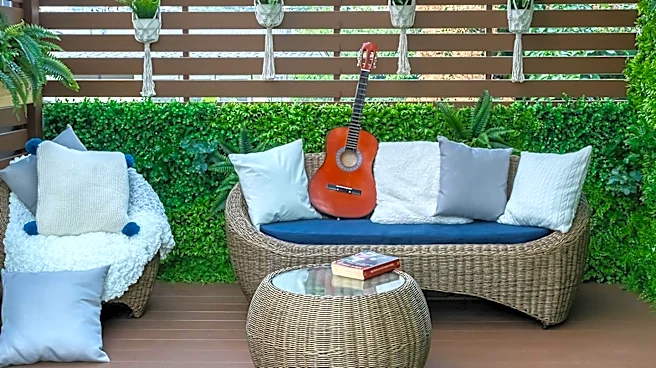
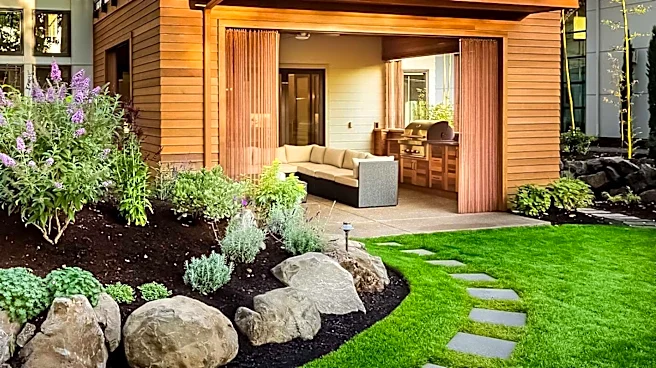
Homeowners in Northern Colorado, specifically in communities like Fort Collins, Loveland, Berthoud, and Windsor, are increasingly transforming their outdoor living areas into functional extensions of their homes. This trend involves comprehensive electrical
installations for patios and decks, integrating both low-voltage aesthetic lighting and high-voltage appliance circuits. These installations are designed to support various outdoor amenities, including ceiling fans, weatherproof TVs, integrated sound systems, and strategic receptacle outlets built into deck railings, masonry pillars, and seating walls. The goal is to create comfortable, usable outdoor spaces that eliminate the need for extension cords and provide seamless indoor-outdoor living experiences. RCI Electric, a local service provider, emphasizes the importance of planning for ease of use, ensuring that every device and fixture is properly powered and protected with features like GFCI (Ground Fault Circuit Interrupter) and weatherproofing.
Why It's Important?
The growing investment in sophisticated outdoor living spaces reflects a significant shift in how U.S. homeowners perceive and utilize their properties. This trend impacts the construction, electrical, and landscaping industries by driving demand for specialized services and products. For instance, the need for dedicated 208V/240V circuits for larger infrared heaters and subpanels for consolidating outdoor electrical components highlights a rising standard in outdoor electrical infrastructure. This not only enhances convenience and safety but also increases property value. The emphasis on concealed wiring, weatherproof installations, and strategic outlet placement addresses common issues like tripping hazards and circuit overloads, improving the overall quality and longevity of outdoor amenities. This movement signifies a broader lifestyle change, where outdoor areas are no longer just recreational but integral to daily living, influencing design and utility standards in residential development.
What's Next?
The demand for advanced outdoor electrical systems is expected to continue growing, leading to further innovations in weatherproof technology, energy efficiency, and smart home integration for outdoor spaces. Homeowners will likely seek more customized solutions that cater to specific needs, such as outdoor kitchens, media centers, and climate control systems. Electrical service providers will need to adapt by offering specialized expertise in load calculations, subpanel installations, and the integration of diverse outdoor appliances. The market may also see an increase in regulations or best practices for outdoor electrical safety, given the complexity of these installations. Furthermore, as outdoor living becomes more sophisticated, there could be a rise in demand for maintenance and upgrade services to ensure these systems remain functional and safe over time.
Beyond the Headlines
This trend towards highly functional outdoor living spaces has deeper implications for urban planning and community design. As private outdoor areas become more equipped and comfortable, they could influence how public parks and communal spaces are designed, potentially inspiring similar amenities. Environmentally, the increased use of outdoor heating and lighting systems raises questions about energy consumption and sustainability, prompting a need for more energy-efficient solutions and renewable energy integration. Culturally, these spaces foster a greater connection to nature and outdoor activities, potentially improving well-being and social interaction. The integration of technology into outdoor environments also blurs the lines between indoor and outdoor living, challenging traditional notions of home design and expanding the concept of personal space.