


What's Happening?
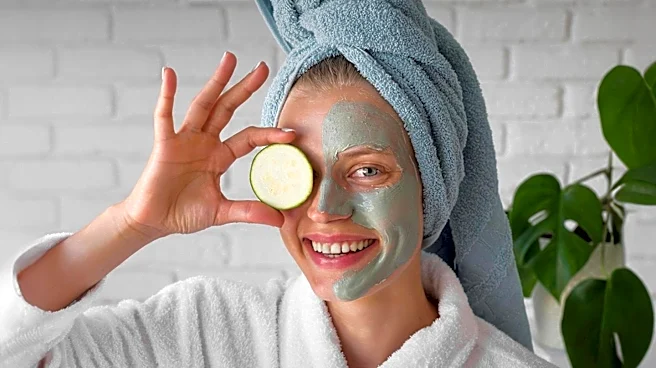
Current home spa trends are shifting towards more intentional, cleaner, and salon-inspired self-care practices. Consumers are moving away from excessive products and complicated routines, opting instead for fewer, higher-quality steps that address specific
needs. This includes a focus on nourishing nail oils, gentle polish removers, and protective treatments as essential parts of nail care, rather than just applying color. The demand for non-toxic options, such as 21-free nail polish and gentler removers, is increasing as consumers read labels more closely and prefer products with clear standards. This shift is driven by a desire for restorative rituals that align with personal well-being and ingredient preferences, making self-care more comfortable and accessible within the home environment. The overall goal is to create a thoughtful routine that feels good and delivers polished results, prioritizing nail health and a calming atmosphere.
Why It's Important?
This trend signifies a broader consumer movement towards health-conscious and sustainable choices within the beauty and wellness industry. The emphasis on cleaner formulas and mindful rituals reflects a growing awareness of product ingredients and their impact on personal health and the environment. For businesses, this means a rising demand for transparent labeling, non-toxic product lines, and formulations that prioritize user comfort and well-being. Companies that adapt to these preferences by offering high-quality, intentionally designed products will likely gain market share. Consumers stand to benefit from safer, more effective self-care options that integrate seamlessly into their daily lives, promoting consistent attention to personal grooming and relaxation. This shift also encourages a more holistic view of beauty, where the process and ingredients are as important as the final aesthetic outcome.
What's Next?
The beauty and wellness industry is expected to continue innovating with cleaner, more sustainable, and performance-driven home spa products. We may see further development in multi-functional products that simplify routines while delivering comprehensive care. Retailers will likely expand their offerings of non-toxic and ethically sourced beauty items to meet consumer demand. Educational content around mindful self-care practices and ingredient transparency will also become more prevalent, empowering consumers to make informed choices. Additionally, the integration of technology, such as personalized product recommendations based on individual needs and preferences, could enhance the home spa experience. The focus will remain on creating accessible, effective, and enjoyable self-care rituals that promote overall well-being.
Beyond the Headlines
This trend extends beyond mere product consumption, reflecting a deeper cultural shift towards prioritizing self-care and well-being in daily life. The move towards intentional rituals suggests a desire for moments of calm and mindfulness amidst busy schedules, transforming routine tasks into opportunities for relaxation and rejuvenation. Ethically, the demand for cleaner formulas pushes manufacturers to adopt more responsible sourcing and production practices, potentially leading to broader industry-wide improvements in sustainability and ingredient safety. This also highlights a growing consumer empowerment, where individuals are actively seeking control over what they put on their bodies and how they spend their self-care time. The long-term implication could be a more personalized and holistic approach to beauty and wellness, where individual needs and values drive product development and consumption patterns.