

What's Happening?
Eli Lilly and Novo Nordisk, two leading companies in the obesity drug market, have both reported their second-quarter earnings, surpassing Wall Street expectations and raising their full-year outlooks. However, the market's reaction to these results has
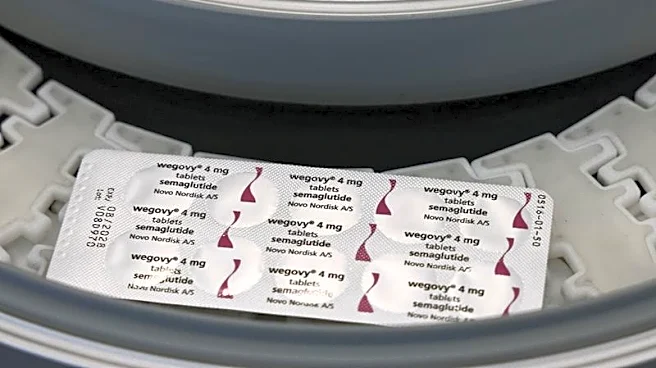
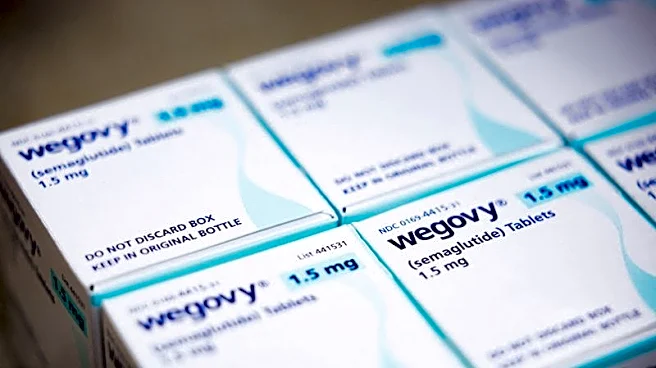
been markedly different. Eli Lilly's shares rose as investors responded positively to its strong performance, driven by robust sales of its diabetes and obesity treatments, Mounjaro and Zepbound. In contrast, Novo Nordisk's shares fell, reflecting investor concerns about its future growth prospects despite its successful launch of the Wegovy pill, which has reached over 5 million patients in the U.S. since January.
Why It's Important?
The contrasting market reactions underscore a growing divide in investor confidence between the two companies. Eli Lilly's ability to maintain momentum in the obesity drug market positions it as a leader, while Novo Nordisk faces challenges in regaining market share and investor trust. This divide is significant as the global obesity drug market is projected to exceed $100 billion by the 2030s, making it a critical area for pharmaceutical companies. The performance of these companies not only affects their stock prices but also has broader implications for the healthcare industry and patients relying on these treatments.
What's Next?
Novo Nordisk is under pressure to demonstrate a clear path to sustainable growth and regain investor confidence. The company may need to focus on diversifying its pipeline and addressing inventory issues to improve its market position. Meanwhile, Eli Lilly is expected to continue capitalizing on its current market lead, potentially expanding its product offerings and market share. Both companies will likely face ongoing scrutiny from investors and analysts as they navigate the competitive landscape of the obesity drug market.