





What's Happening?
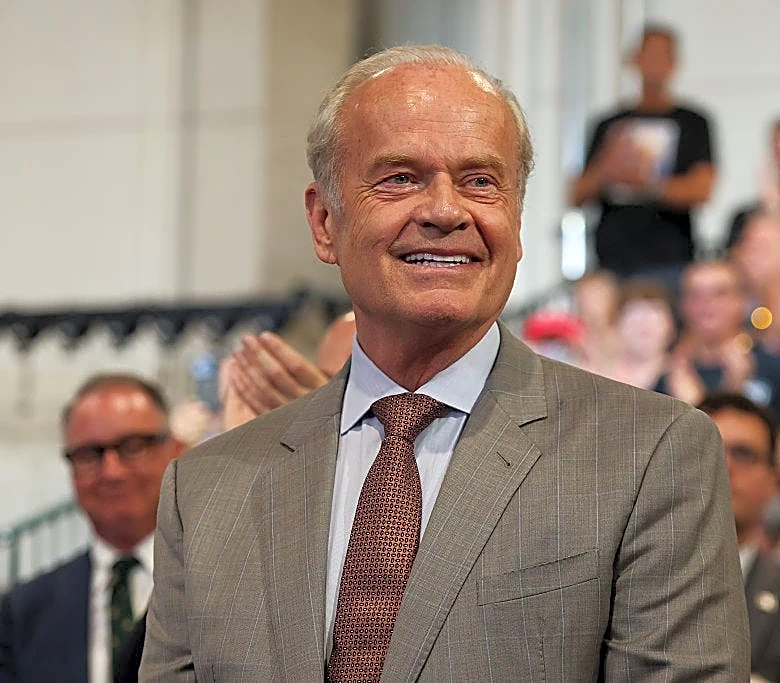
Congressman Eric Burlison, representing Missouri’s seventh congressional district, participated in the Truckload Carriers Association’s (TCA) annual 'Call on Washington.' During this event, industry leaders, including Don and RayVaun Christenson of Christenson Transportation,
met with members of Congress, congressional staff, and federal regulators. The discussions focused on various legislative and regulatory issues impacting the trucking industry. Key topics included infrastructure funding, opposition to increases in federal truck size and weight limits, and drug and alcohol testing requirements for drivers. Congressman Burlison met with Missouri’s congressional delegation to advocate for policies that support safe and efficient freight transportation, underscoring the importance of direct engagement between industry and policymakers.
Why It's Important?
This engagement is important because the trucking industry is a critical component of the U.S. economy, responsible for transporting a vast majority of goods across the nation. Policies related to infrastructure, truck size and weight, and driver regulations directly impact operational costs, safety, and efficiency within the industry. Discussions on infrastructure funding are crucial for maintaining and improving the nation's roads and bridges, which are essential for freight movement. Opposition to increased truck size and weight limits often stems from concerns about road wear, safety, and competition. Furthermore, drug and alcohol testing requirements are vital for ensuring public safety on highways. Congressman Burlison's participation highlights the direct influence that legislative decisions have on businesses like Christenson Transportation and the broader supply chain, affecting everything from consumer prices to job security for truck drivers. The advocacy efforts aim to shape a regulatory environment that supports the industry's viability while addressing public concerns.
What's Next?
The discussions held during the 'Call on Washington' will likely inform future legislative proposals and regulatory adjustments concerning the trucking industry. Lawmakers, including Congressman Burlison, will consider the industry's perspectives as they draft or amend bills related to transportation. The ongoing debate over infrastructure funding will continue, potentially leading to new federal investments or changes in how projects are financed. Similarly, proposals regarding truck size and weight limits will face further review, with potential for legislative action or regulatory changes by federal agencies. The focus on drug and alcohol testing requirements may lead to updated protocols or enforcement measures. Industry associations like the TCA will continue their advocacy efforts, providing data and insights to policymakers to influence outcomes that benefit their members and the broader economy. The outcomes of these discussions will directly impact the operational landscape for trucking companies and the efficiency of the national supply chain.
Beyond the Headlines
Beyond the immediate policy discussions, the 'Call on Washington' event underscores the intricate relationship between industry, government, and the public interest. The trucking industry's direct lobbying efforts highlight the necessity for businesses to actively participate in the legislative process to ensure their concerns are heard and addressed. This interaction also reveals the constant balancing act policymakers face between supporting economic sectors, ensuring public safety, and managing environmental impacts. The issues discussed, such as infrastructure and vehicle regulations, have long-term implications for national competitiveness, environmental sustainability, and the quality of life for communities along major transportation routes. The event also serves as a reminder of the democratic process, where various stakeholders present their cases to elected officials, shaping the laws that govern their operations and daily lives. The ongoing dialogue between the trucking industry and Congress is crucial for adapting to new challenges, such as technological advancements in logistics and evolving environmental standards.