


What's Happening?
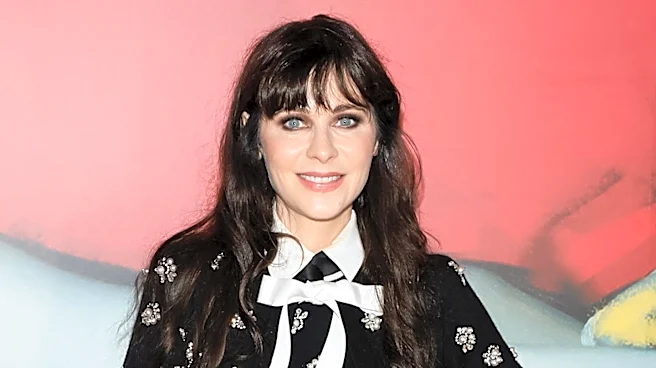
Digital creator and screenwriter Caleb Hearon, alongside actress Zooey Deschanel, shared insights and advice for online content creators looking to transition into feature films during a panel at the Toronto International Film Festival (TIFF). The 'For
You Feed to Feature Film' panel was moderated by TikTok's Global Entertainment Partnerships Lead Jenny Kim. Hearon and Deschanel, who co-star in the film 'Trash Mountain' (which Hearon also co-wrote with Ruby Caster), emphasized the importance of perseverance and authenticity in navigating the film industry. Deschanel encouraged creators to disregard limitations imposed by others, recalling early advice against her music career due to her acting background. She urged individuals to be pioneers in their chosen paths. Hearon advised creators to 'get comfortable saying no very early' to avoid being pushed into projects that don't align with their vision, especially when institutions attempt to offload financial risk onto them. He candidly noted that much of his income still comes from podcast advertisements rather than his film work, despite having completed four movies in the past year.
Why It's Important?
This discussion highlights a significant trend in the entertainment industry: the increasing crossover between digital content creation and traditional filmmaking. As platforms like TikTok empower a new generation of storytellers, the path from online virality to feature films is becoming more common, yet it presents unique challenges. The advice from Hearon and Deschanel is crucial for aspiring filmmakers who may feel pressured to conform or compromise their artistic integrity. Their emphasis on saying 'no' early and creating one's own work underscores a shift in power dynamics, where creators can leverage their online presence to maintain more control over their projects. This guidance can help emerging talents navigate the complexities of financing, creative control, and industry expectations, potentially fostering a more diverse and creator-driven landscape in cinema. The panel also sheds light on the financial realities for many creators, indicating that even with film credits, diversified income streams remain vital.
What's Next?
The insights shared by Hearon and Deschanel at TIFF could influence how aspiring digital creators approach their careers in film. We may see more creators adopting a proactive stance, prioritizing creative control and being selective about projects, rather than passively waiting for opportunities. This could lead to a greater number of independent films and projects initiated by creators themselves, potentially shifting traditional industry gatekeeping. Furthermore, as more digital creators successfully transition to film, industry institutions might adapt their strategies to better collaborate with and support these new talents, recognizing their established audiences and unique perspectives. The ongoing dialogue at film festivals like TIFF will likely continue to explore these evolving dynamics, offering platforms for creators to share experiences and strategies for navigating this hybrid entertainment landscape.
Beyond the Headlines
The panel's discussion touches upon deeper implications regarding artistic autonomy and the evolving definition of a 'filmmaker' in the digital age. The traditional hierarchical structure of Hollywood is being challenged by creators who build their own audiences and develop their craft independently online. Hearon's point about financial leverage and the 'DIY nature' of content creation suggests a broader economic shift where creators are increasingly expected to bear more risk, yet also gain more agency. This raises questions about fair compensation, intellectual property rights, and the sustainability of a career built on both digital and traditional platforms. The advice to 'just make your fucking thing' is not just about creative output but also about reclaiming ownership and defining one's own career trajectory, pushing back against industry norms that often dictate artists' paths. This movement could lead to a more democratized film industry, where diverse voices and unconventional narratives find their way to the big screen.