





What's Happening?
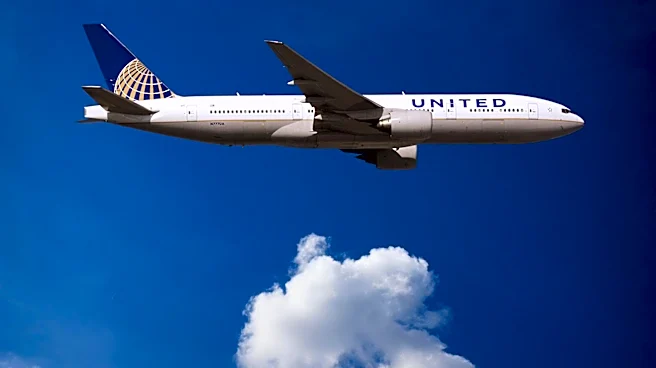
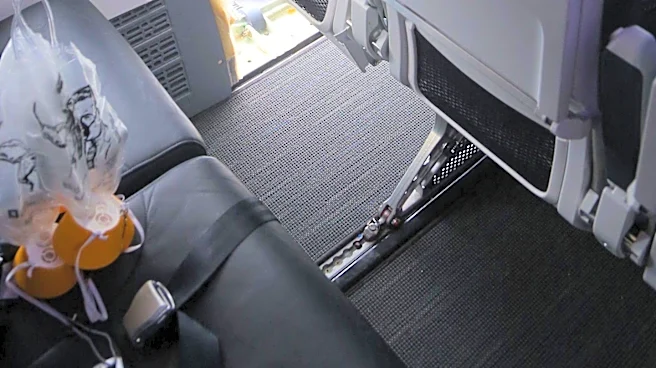
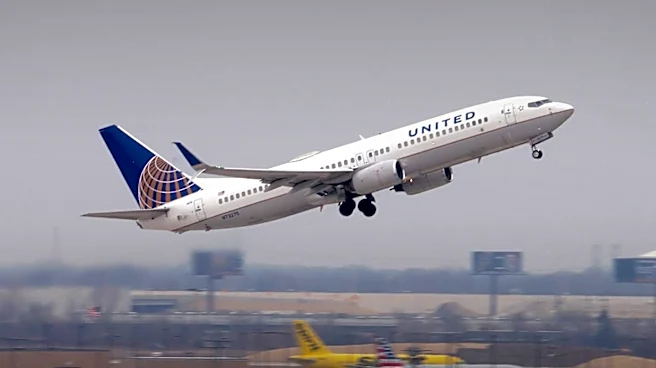
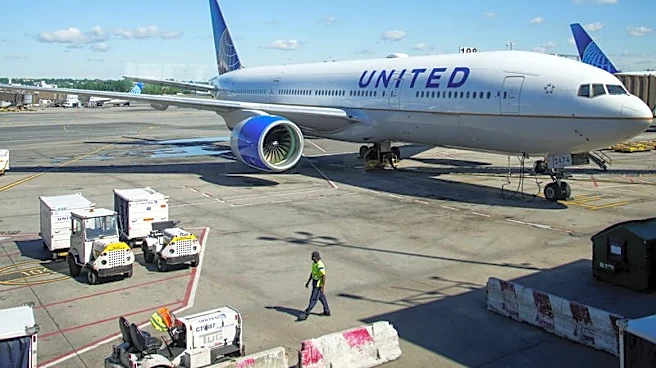
A federal judge has ruled that United Airlines must face a lawsuit alleging it charged passengers extra for 'window seats' that lacked actual windows. The lawsuit claims United knowingly charged extra for window seats on certain aircraft, including Boeing
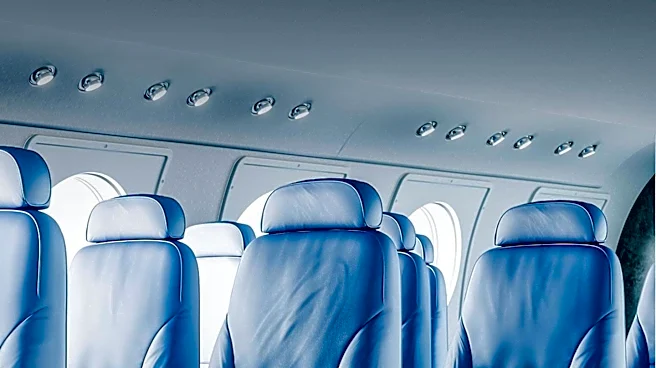
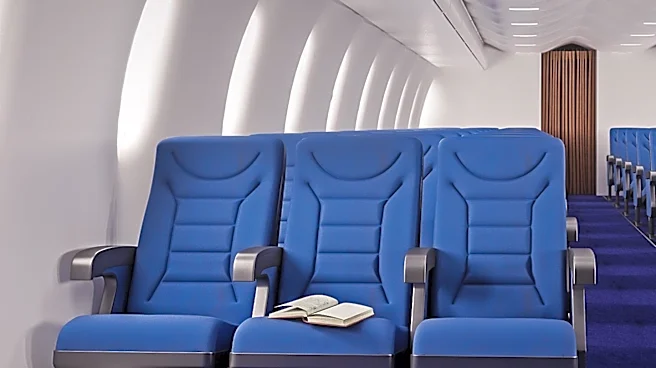
737s, Boeing 757s, and Airbus A321s, even though some seats lacked adjacent windows due to aircraft design. Plaintiffs argue that passengers often pay premiums for window seats to enjoy the view or help alleviate anxiety, claustrophobia, or motion sickness. United Airlines argued that the term 'window seat' describes a seat's location relative to the aisle rather than guaranteeing an actual window, and contended that federal law preempts the claims. However, U.S. District Judge James Donato rejected these arguments, allowing the case to proceed. United Airlines has declined to comment on the lawsuit.
Why It's Important?
This lawsuit highlights the importance of transparency in airline seating arrangements and the potential for consumer protection issues in the airline industry. If successful, the lawsuit could set a precedent for how airlines market and price their seating options, potentially leading to more stringent regulations or industry standards. This case also underscores the need for airlines to clearly communicate what passengers can expect when purchasing specific seat types, which could impact customer satisfaction and trust. The outcome of this lawsuit could influence how airlines across the U.S. and possibly internationally approach seat marketing and pricing strategies.
What's Next?
The case will now move forward in federal court, where further legal arguments and evidence will be presented. The plaintiffs seek to represent a nationwide class of passengers who paid extra for window seats but allegedly received seats without windows. As the case progresses, it may attract attention from consumer advocacy groups and regulatory bodies, potentially influencing broader discussions on airline transparency and consumer rights. Airlines may also begin reviewing their seat marketing practices to avoid similar legal challenges in the future.