






What's Happening?
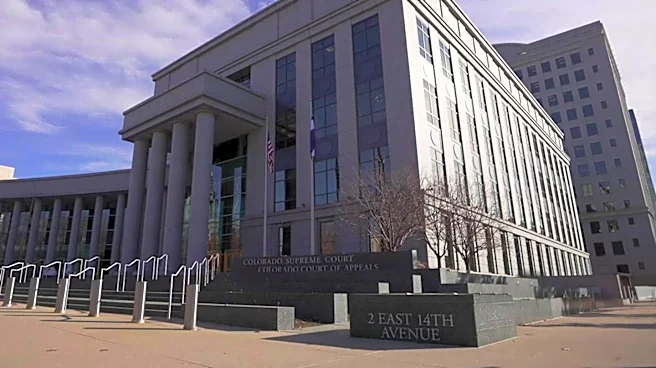
The National Association of Wholesaler-Distributors (NAW) has filed a federal lawsuit against Colorado's Extended Producer Responsibility (EPR) program. The lawsuit alleges that the Colorado law improperly delegates fee-setting powers to the Circular
Action Alliance and restricts businesses' ability to challenge assessments. This legal action follows similar challenges by NAW in Oregon and California concerning their respective EPR arrangements. In February, a federal court granted NAW members preliminary injunctive relief regarding the enforcement of Oregon’s EPR law. The debate over packaging waste management is ongoing, with the EU's Packaging and Packaging Waste Regulation (PPWR) recently taking effect, aiming for all packaging to be recyclable by 2030 and banning certain single-use formats where alternatives exist. This EU regulation highlights a global trend towards stricter packaging waste policies, contrasting with the resistance seen in some U.S. states.
Why It's Important?
This lawsuit is significant for U.S. businesses, particularly those involved in wholesale distribution and packaging, as it challenges the implementation and structure of Extended Producer Responsibility laws. If NAW's challenge is successful, it could set a precedent for other states considering or implementing similar EPR programs, potentially altering the landscape of waste management and recycling regulations across the country. The outcome will influence how businesses are held accountable for the lifecycle of their products and packaging, impacting operational costs and compliance requirements. It also underscores the tension between state-level environmental initiatives and industry concerns over regulatory burden and due process. The broader context of increasing packaging waste, with EU figures indicating a potential 19% increase by 2030 and plastic packaging waste rising by 46% without intervention, emphasizes the urgent need for effective and equitable waste management solutions in the U.S. and globally.
What's Next?
The federal lawsuit against Colorado's EPR program will proceed, with legal arguments focusing on the delegation of fee-setting powers and businesses' rights to challenge assessments. The outcome of this case, along with the ongoing legal actions in Oregon and California, will likely shape the future of EPR legislation and its enforcement in the U.S. Businesses and environmental groups will closely monitor these developments, as they could influence policy discussions and legislative efforts in other states. Depending on the court's decision, there may be calls for legislative amendments to existing EPR laws or a re-evaluation of how such programs are designed and implemented to address industry concerns while still achieving environmental goals. The broader trend of increasing packaging waste suggests that the pressure for effective waste management solutions will continue, regardless of the specific legal outcomes.
Beyond the Headlines
Beyond the immediate legal challenge, this case touches upon fundamental questions of regulatory authority, corporate responsibility, and environmental governance. The concept of Extended Producer Responsibility aims to shift the financial and physical burden of waste management from municipalities to producers, encouraging more sustainable product design and packaging. However, the resistance from industry, as seen in NAW's lawsuits, highlights the complexities of implementing such policies. It raises questions about the balance between environmental protection and economic impact, and how to create regulatory frameworks that are both effective and fair. The debate also underscores the need for clear guidelines and transparent processes in environmental regulations to avoid legal disputes and foster cooperation between government, industry, and environmental stakeholders. The long-term implications could include a re-evaluation of how environmental costs are internalized by producers and the potential for new models of collaboration in waste management.