





What's Happening?
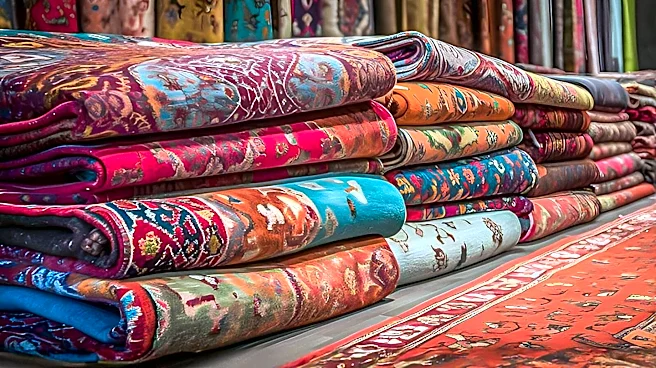
A guide on oriental rug cleaning emphasizes the importance of careful rug care and professional assessment. It highlights that a rug's condition often goes unnoticed until a spill, odor, or worn patch becomes apparent. For delicate rugs, a thoughtful
response is crucial, starting with identifying the rug's materials, construction, and history. Owners should gather information such as age, purchase records, fiber content, previous cleaning history, and any known damage. Photographs of the rug can help explain concerns to a professional. The guide advises recognizing when a rug needs professional attention, noting issues like persistent odors, visible stains, loose threads, or new holes. When spills occur, the immediate action should be gentle absorption, followed by contacting a professional for instructions, avoiding household cleaning products. The selection of a cleaning method should follow a thorough examination by a specialist, considering colorfastness and existing repairs, rather than a one-size-fits-all approach. Owners should ask specific questions about the examination process, how existing damage will affect the work, and what results are reasonably expected.
Why It's Important?
This guide is important for U.S. consumers who own oriental rugs, as it provides practical advice on preserving valuable and often sentimental household items. The emphasis on professional assessment and tailored cleaning methods underscores the need for specialized care, preventing potential damage from improper cleaning techniques. For the U.S. market, where oriental rugs are often significant investments or cherished heirlooms, this guidance helps consumers protect their assets and maintain their aesthetic and monetary value. It also highlights the importance of informed decision-making when selecting cleaning services, promoting a discerning approach rather than simply choosing based on convenience or price. By advocating for clear communication with specialists and understanding the limitations of cleaning, the guide empowers consumers to set realistic expectations and ensure the longevity of their rugs.
What's Next?
Owners of oriental rugs are advised to seek local services with relevant experience, ensuring the chosen professional handles the specific type of rug and its condition. The guide recommends asking about who examines the rug and performs the work, as some businesses outsource specialized treatments. Before committing to a service, owners should request a written estimate detailing the proposed work, optional treatments, transportation arrangements, and expected timing. It is crucial to compare proposals based on the scope of work and clarity of explanation, not just price. Upon the rug's return, a brief review is recommended to discuss improvements, remaining concerns, and future care instructions. This includes understanding suitable vacuum settings and when another assessment might be necessary, especially for fragile components. The guide also suggests considering a textile conservator for particularly fragile, historically significant, or valuable rugs.
Beyond the Headlines
The detailed advice on oriental rug care extends beyond mere cleaning, touching upon broader themes of preservation, craftsmanship, and consumer education. The guide implicitly promotes a culture of valuing and maintaining high-quality goods, contrasting with a disposable consumer mindset. By encouraging owners to understand the intricate details of their rugs—from materials to construction—it fosters a deeper appreciation for the artistry and history embedded in these items. The caution against aggressive stain removal and the emphasis on realistic expectations reflect a conservationist approach, prioritizing the long-term integrity of the textile over immediate cosmetic perfection. This perspective can influence consumer behavior towards more sustainable practices, encouraging repair and careful maintenance rather than frequent replacement, thereby contributing to both personal financial prudence and environmental responsibility.