



What's Happening?
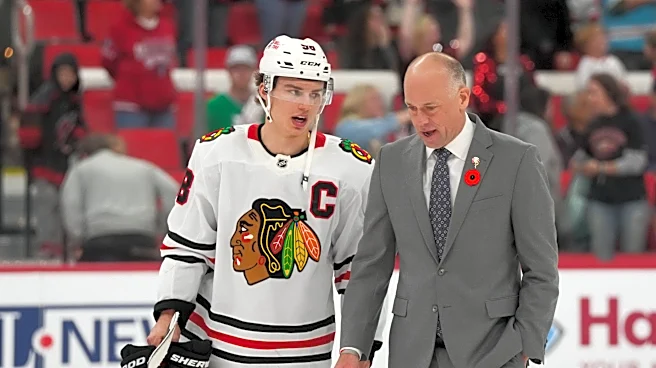
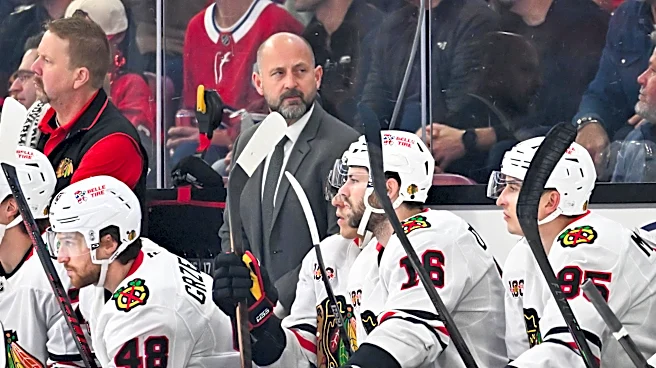
The Chicago Blackhawks have announced they will not be making any coaching staff changes despite a disappointing 4-13-1 start to the 2026-27 NHL season. Head coach Jeff Blashill and his assistants met with management to assess the situation and identify
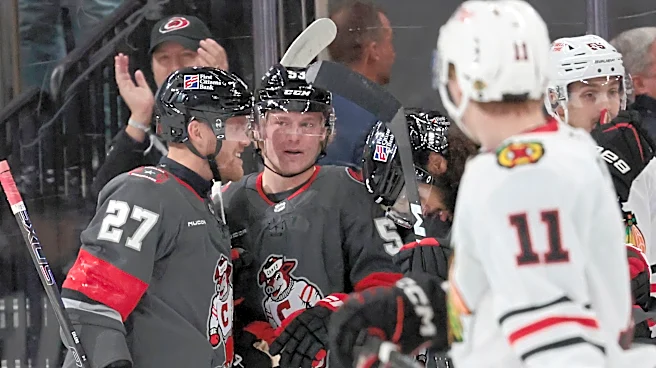
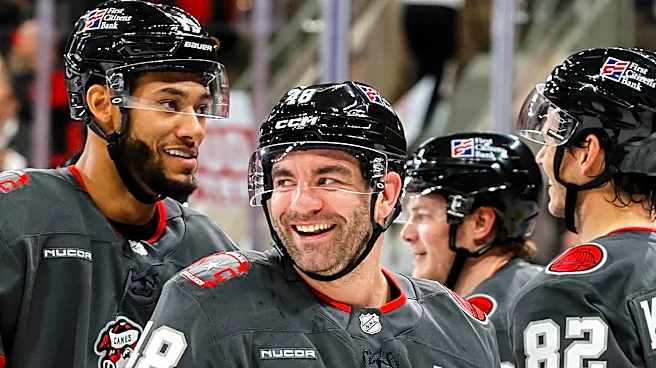
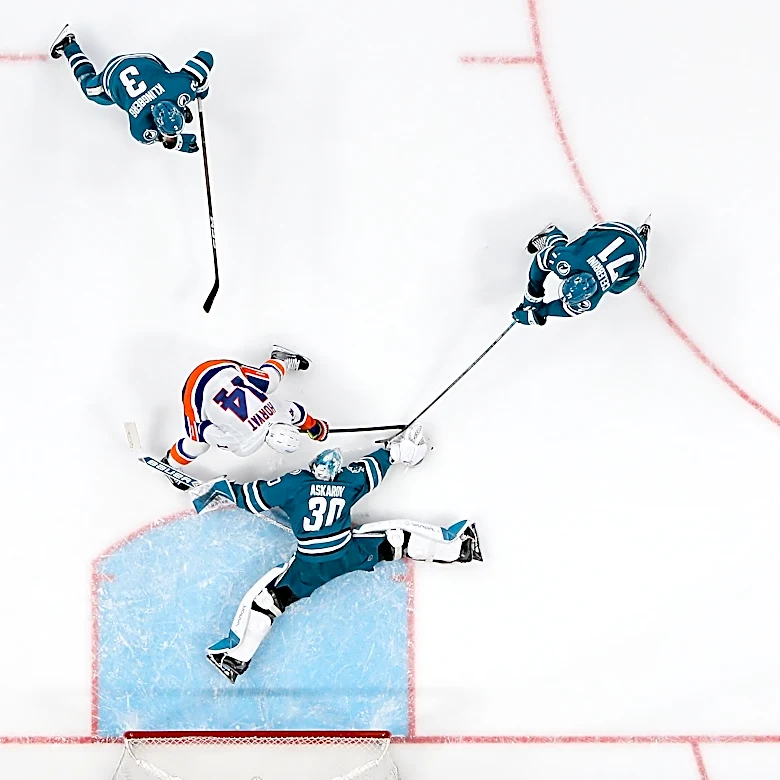
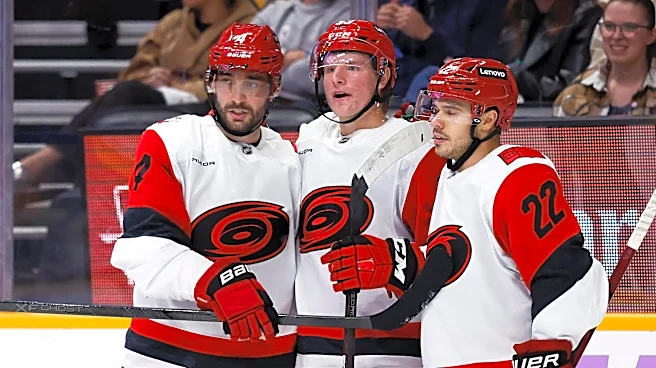
areas for improvement, opting for minor tactical tweaks rather than a complete overhaul of the team's system. The decision comes after a significant 9-2 loss to the Carolina Hurricanes, which highlighted the team's struggles, including a league-worst minus-37 goal differential through 18 games. Starting goaltender Spencer Knight publicly expressed his frustration regarding the team's defensive performance, particularly after backup Arvid Soderblom was placed on waivers. Knight stated that the team has put its goaltenders in 'pretty shitty spots' and that his own impressive save count (364 saves, second in the NHL) does not reflect individual performance but rather the team's poor play in front of him.
Why It's Important?
This decision by the Blackhawks' management signals a commitment to the current coaching philosophy despite significant on-ice struggles. For players, particularly younger ones, this could either provide stability to learn and execute the existing system or lead to continued frustration if performance does not improve. Spencer Knight's candid remarks are significant as they highlight a potential disconnect or dissatisfaction within the locker room regarding the team's defensive structure and overall effort. Such public comments from a usually reserved player can either galvanize the team to address the issues or further expose underlying tensions. The team's continued poor performance could impact fan engagement and future player recruitment, as a struggling franchise might find it harder to attract top talent. The emphasis on 'tweaks' rather than 'full-scale changes' suggests a belief that the core system is sound but requires better execution, placing the onus on the players to adapt and perform.
What's Next?
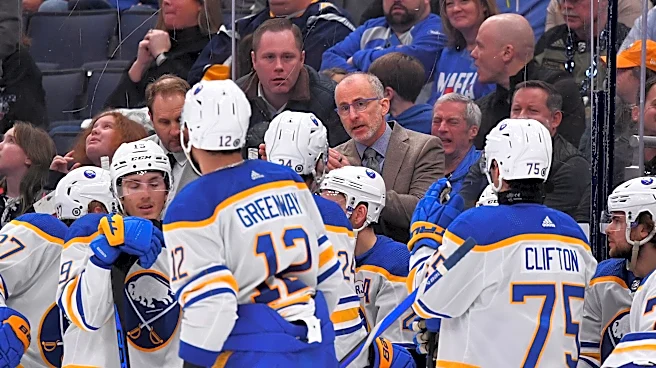
The Blackhawks will continue with their current coaching staff and system, with an immediate test in their upcoming game against the Buffalo Sabres. This game will be a crucial indicator of whether the implemented 'tweaks' and renewed emphasis on defensive fundamentals will yield any positive results. General Manager Kyle Davidson is expected to address the media upon his return from NHL GM meetings, where he will likely discuss the team's disappointing start and potential future strategies, which may include trade discussions. NHL insider Elliotte Friedman has reported that the Blackhawks are actively exploring trade options, potentially leveraging their significant draft capital (including multiple first and second-round picks) and some current forwards to acquire offensive help. The team's performance in the coming weeks will determine if management's patience with the coaching staff is justified or if more drastic changes will eventually be deemed necessary.
Beyond the Headlines
The Blackhawks' current situation reflects a broader challenge faced by rebuilding NHL teams: balancing player development with competitive performance. While the team possesses young talent, the struggle to implement a cohesive system and achieve consistent results can hinder the growth of these players and erode confidence. Spencer Knight's outspokenness could be a turning point, either fostering accountability among teammates or creating internal friction if his message is not well-received. The management's decision to stick with the coaching staff, despite a historically poor start, suggests a long-term vision that prioritizes systemic development over short-term results, a strategy that carries both significant risks and potential rewards. The pressure on both the coaching staff to demonstrate improvement and the players to execute will intensify, as continued losses could force a re-evaluation of the entire organizational approach.