




What's Happening?
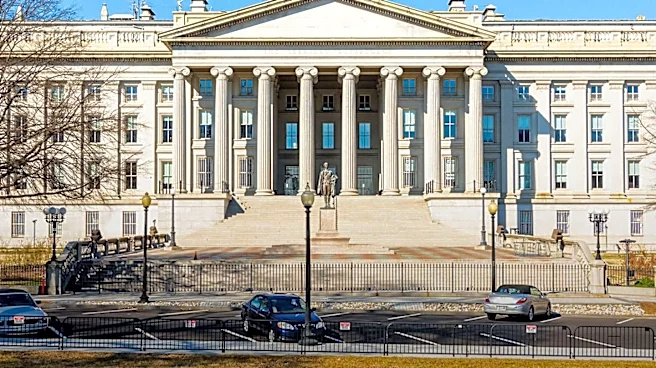
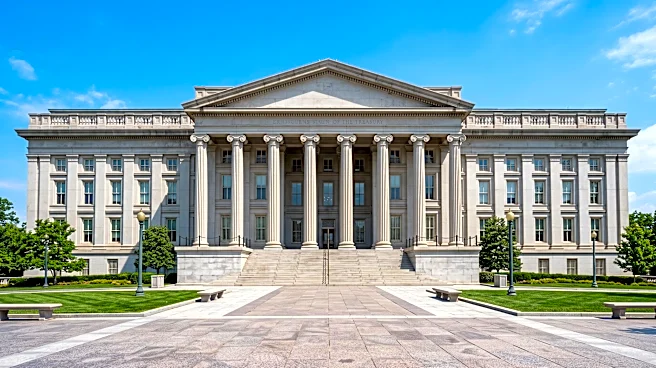
The U.S. Treasury has officially approved all 37 census tracts recommended by Utah Governor Spencer Cox for Opportunity Zone designations, with no modifications. These designations create a framework designed to attract long-term private investment into
economically distressed communities. Utah's selection process involved reviewing 147 eligible areas based on economic and demographic indicators, as well as gathering input from local leaders and businesses. The approval means these specific rural and urban areas across Utah are now eligible for the federal Opportunity Zone program, which offers tax incentives for investors who reinvest capital gains into these designated zones. It is important to note that while the designation provides a framework for investment, it does not directly allocate funds or guarantee that investment will materialize.
Why It's Important?
The approval of all 37 Opportunity Zone designations is significant for Utah as it provides a new tool for economic development in both its rural and urban communities. These zones are intended to stimulate economic growth and job creation by encouraging private investment in areas that have historically faced economic challenges. For investors, the program offers potential tax benefits, which can make projects in these areas more attractive. For communities, the influx of capital could lead to new businesses, infrastructure improvements, and increased employment opportunities. The success of these designations will depend on the ability of local communities to identify and promote investment-ready projects that can attract qualified funds, ultimately aiming to bring lasting economic activity and improve the quality of life for residents in these designated areas.
What's Next?
Following the U.S. Treasury's approval, the focus for Utah's designated Opportunity Zones will shift to attracting and facilitating private investment. Communities within these zones will likely begin to actively promote their investment opportunities, potentially developing specific projects and engaging with investors to highlight the potential for growth and return. The effectiveness of these designations will be measured by whether they successfully draw useful capital and generate sustainable economic activity. Stakeholders, including local governments, businesses, and community organizations, will need to collaborate to create an environment conducive to investment, ensuring that projects align with community needs and contribute to long-term economic vitality. The designations officially take effect on January 1, 2027, replacing previous maps.
Beyond the Headlines
The implementation of Opportunity Zones carries broader implications beyond immediate economic investment. While designed to spur growth, the program has faced scrutiny regarding its effectiveness in genuinely benefiting underserved communities and the potential for gentrification. The success in Utah will depend on how well local leaders manage these potential challenges, ensuring that investments lead to inclusive growth that benefits existing residents rather than displacing them. There's also an ethical dimension concerning transparency and accountability in how these investments are tracked and their impact assessed. The long-term success will be determined not just by the volume of capital attracted, but by the equitable distribution of benefits and the sustainable development of these communities, potentially setting a precedent for how such federal programs are utilized at the state level.