



What's Happening?
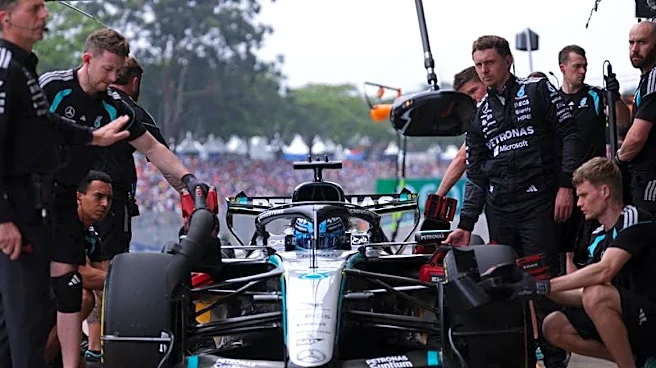
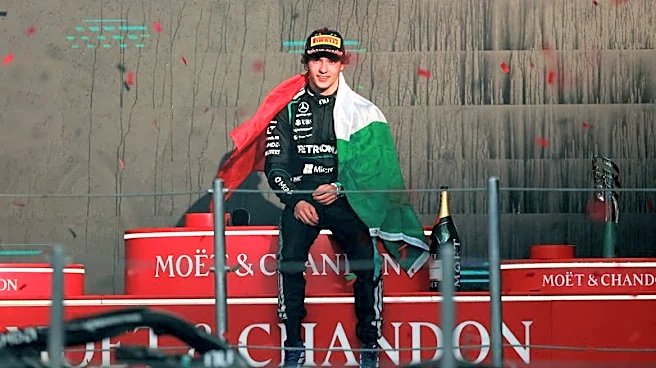
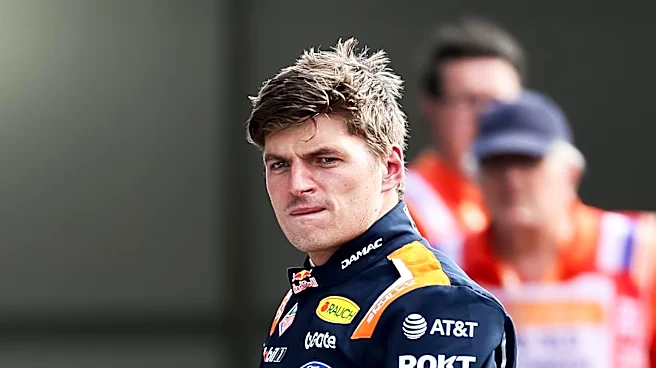
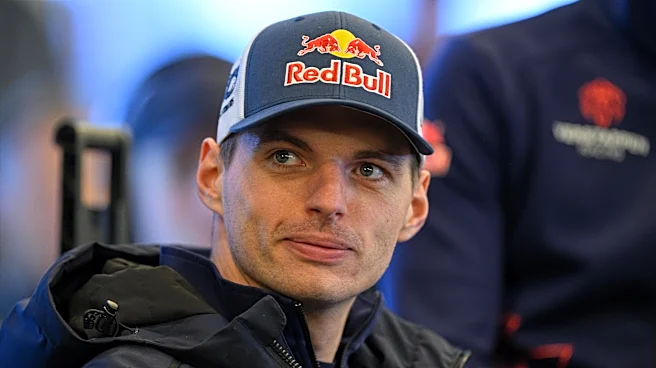
Max Verstappen, a four-time Formula 1 world champion, has addressed remarks made by Mercedes team principal Toto Wolff regarding the perceived end of the 'ruthless' F1 driver era. Wolff's comments followed Andrea Kimi Antonelli's maiden F1 world title
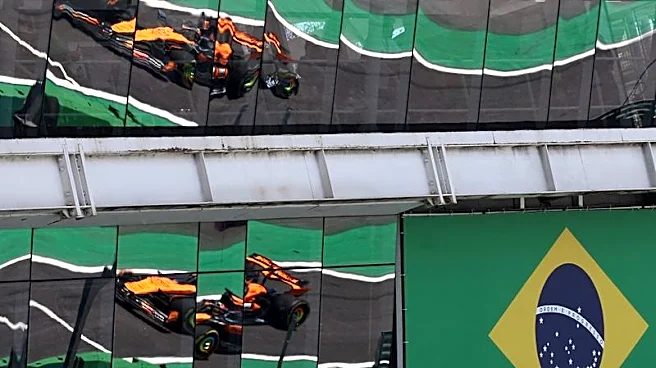
win, where Wolff described Antonelli as a new kind of champion embodying humility, integrity, and respect, contrasting him with 'entitled' drivers and 'endless moaners.' Wolff suggested Antonelli should be a role model for younger drivers and a lesson for those in F1 who complain or crash. When asked about these statements during a press conference ahead of the Sao Paulo Grand Prix, Verstappen stated that everyone is entitled to their opinion and that he believes diverse personalities are beneficial for Formula 1, preventing it from becoming 'very boring.' He did not directly engage with the critical aspects of Wolff's comments but instead highlighted the value of individual differences within the sport.
Why It's Important?
This exchange highlights a philosophical divide within Formula 1 regarding driver conduct and the ideal image of a champion. Toto Wolff's comments, while not explicitly naming Verstappen, were widely interpreted as a critique of drivers known for aggressive tactics and vocal radio communications. Verstappen's measured response, emphasizing the importance of diverse personalities, underscores a different perspective: that a range of characters contributes to the sport's appeal and competitive nature. This debate is significant as it touches upon the values Formula 1 wishes to promote, especially to younger generations of drivers. It also reflects ongoing discussions about sportsmanship, competitive drive, and public perception in high-stakes professional racing. The differing views from two prominent figures in F1 could influence how driver development programs are structured and how driver behavior is perceived and managed within the sport.
What's Next?
The differing viewpoints expressed by Toto Wolff and Max Verstappen are likely to continue to fuel discussions within the Formula 1 community, particularly among fans, media, and other team principals. While no immediate policy changes are expected from this exchange, it could subtly influence how drivers are coached and how their public personas are managed. Younger drivers entering the sport might feel pressure to align with the 'role model' image promoted by Wolff, or they might be encouraged to embrace their unique personalities, as suggested by Verstappen. The ongoing performance and conduct of drivers like Antonelli and Verstappen will serve as practical examples in this debate. Future interactions between these figures or similar comments from other influential personalities in F1 could further shape the narrative around what constitutes an ideal Formula 1 champion in the modern era.
Beyond the Headlines
Beyond the immediate exchange, this discussion touches on broader themes of authenticity versus manufactured image in professional sports. Wolff's call for drivers to embody specific virtues like humility and integrity suggests a desire for a more 'wholesome' public face for Formula 1, potentially in response to criticisms about aggressive or controversial behavior. Conversely, Verstappen's defense of diverse personalities speaks to the value of individuality and the idea that raw, unfiltered competitiveness can also be a draw for fans. This tension reflects a common challenge in sports: balancing the need for role models with the entertainment value derived from strong, sometimes polarizing, personalities. The long-term implication could be a shift in how driver narratives are constructed and consumed, influencing fan engagement and the sport's overall brand identity. It also raises questions about whether 'ruthlessness' is an inherent part of elite competition or an outdated characteristic.