







What's Happening?
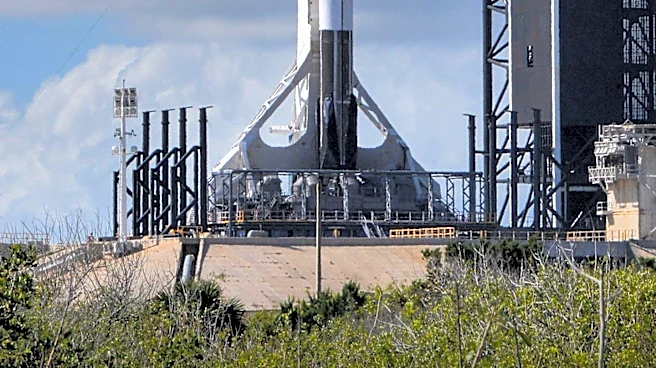
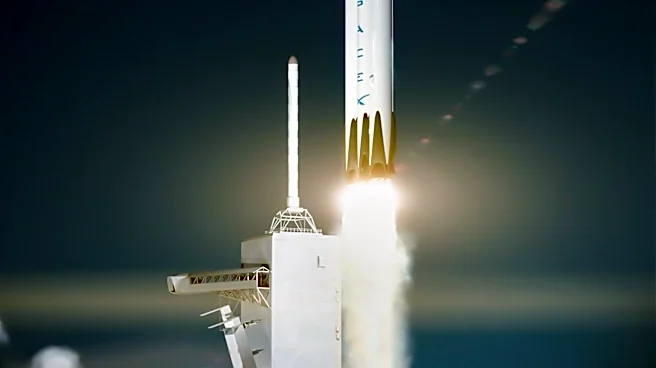
A recent study highlights a dramatic 96% reduction in rocket launch costs since 1960, with further decreases expected by 2040. The study attributes this decline to the end of the Cold War and the rise of commercial space ventures, particularly the impact
of SpaceX's Falcon 9 and reusable rocket technology. The average cost of sending 2.2 pounds to orbit has decreased significantly, and projections suggest it could fall to $1,600 by 2030 and $300 by 2040. However, challenges such as space debris and potential monopolization by companies like SpaceX could impact future cost reductions.
Why It's Important?
The reduction in rocket launch costs has significant implications for the space industry and related sectors. Lower costs make space more accessible for commercial ventures, scientific research, and national security operations. This democratization of space could lead to increased innovation and economic growth. However, the potential for monopolization and the growing issue of space debris pose risks that could hinder these benefits. Addressing these challenges is crucial to ensuring sustainable growth and continued cost reductions in the space industry.