










What's Happening?
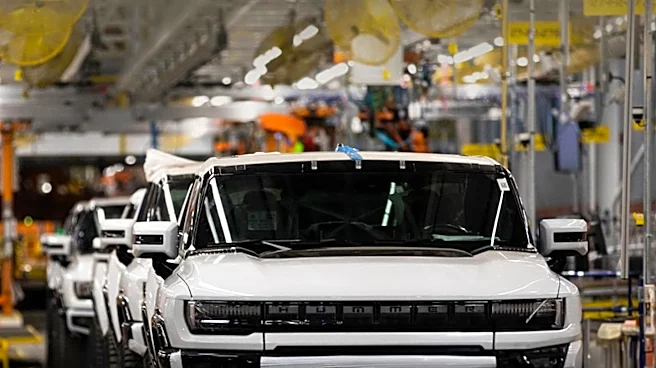
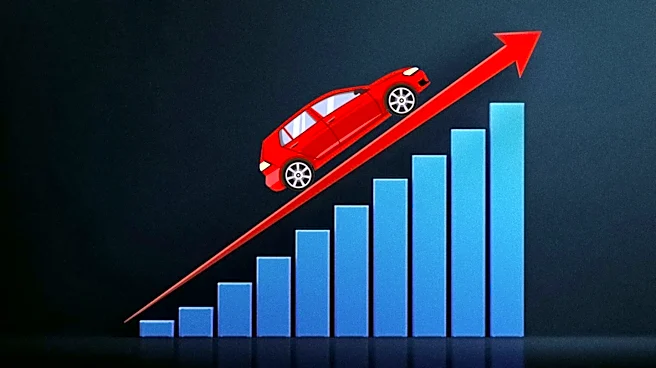
The average asking prices for new vehicles in the U.S. have reached a record high, continuing an upward trend. This development is occurring as U.S. light-vehicle sales are forecasted to rise by 4.4 to 8 percent in June. The increase in vehicle prices reflects
a combination of factors, including heightened demand, supply chain constraints, and shifts in consumer preferences towards more expensive models. This trend is indicative of broader economic conditions affecting the automotive market.
Why It's Important?
The rise in new-vehicle prices has significant implications for consumers and the automotive industry. Higher prices may lead to affordability challenges for buyers, potentially impacting sales volumes. For automakers, increased prices can boost revenue but also necessitate strategic pricing and marketing adjustments. The trend highlights the ongoing supply-demand dynamics in the automotive sector, influenced by factors such as production costs and consumer behavior. Stakeholders, including dealerships and financial institutions, must navigate these changes to maintain competitiveness.
What's Next?
As vehicle prices continue to rise, automakers and dealerships may explore strategies to enhance affordability, such as financing options or incentives. The industry will likely monitor consumer responses and adjust pricing strategies accordingly. Policymakers and industry analysts may also assess the broader economic impact, considering potential regulatory interventions to address affordability concerns. The trajectory of vehicle prices will be a key focus for stakeholders in the coming months.