






What's Happening?
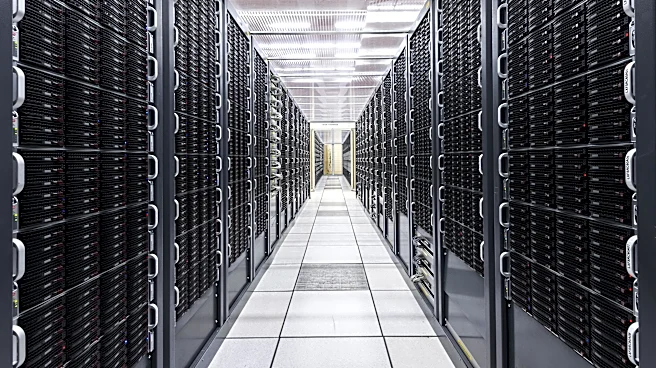
The Public Utilities Commission (PUC) has approved the construction of a new 510-megawatt natural gas power plant in Nevada, which will be built and primarily utilized by the data center company Switch. This decision comes as data centers, known for their
high power consumption, seek reliable and rapid energy solutions. Switch's initiative to build its own power plant stems from the lengthy timelines associated with NV Energy constructing new capacity. In Northern Nevada, NV Energy's peak generating capacity is under 1,400 megawatts, meaning Switch's new plant will contribute approximately 36% of that capacity. This development follows a similar approval in September by the PUC for Fleet Data Centers to use two temporary natural gas plants in Reno and Sparks, with a combined capacity of 362 megawatts. This trend of data centers developing their own power sources is expected to continue, with NV Energy projecting a significant increase in demand from data centers, potentially reaching 64% of energy sales by 2046.
Why It's Important?
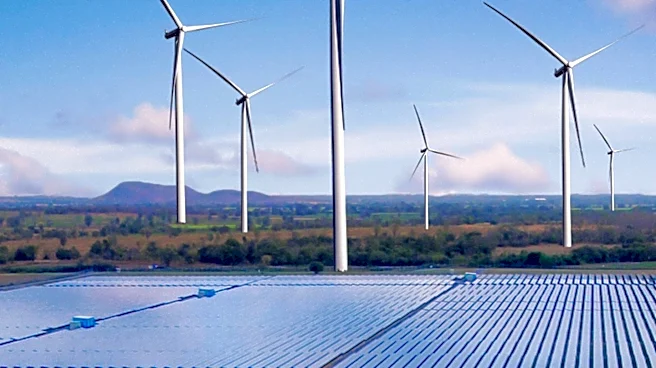
This development is significant for the US energy landscape and the data center industry, particularly in Nevada. It highlights the critical need for reliable and substantial power sources to support the rapid expansion of data centers, which are foundational to the digital economy. By building its own natural gas plant, Switch is addressing the immediate power demands of its operations, ensuring operational continuity and efficiency. This approach also allows data centers to circumvent certain state-level energy regulations, such as Nevada's constitutional mandate for a 50% renewable portfolio standard by 2030, as the mandate applies only to electricity sold to 'retail customers for consumption in this State.' This could lead to an increase in natural gas power generation in Nevada, despite the renewable energy goals. The trend underscores the tension between rapid industrial growth and environmental sustainability targets, potentially influencing future energy policy discussions and infrastructure development across the nation.
What's Next?
The construction of Switch's 510-megawatt natural gas power plant will proceed following the PUC's approval. This project, along with Fleet Data Centers' temporary plants, signals a continued reliance on natural gas to meet the escalating energy demands of the data center industry in Nevada. This trend is likely to prompt further discussions and potential policy adjustments regarding energy infrastructure and renewable energy mandates. While the current constitutional mandate in Nevada does not apply to behind-the-meter power generation, the increasing number of such plants could lead to a re-evaluation of these regulations. Stakeholders, including environmental groups, energy providers, and state legislators, will likely monitor the long-term impact of these developments on Nevada's energy mix and its progress toward renewable energy goals. The success and efficiency of these data center-owned power plants could also serve as a model for other states facing similar energy challenges.
Beyond the Headlines
The decision by Switch to build its own natural gas power plant reveals a deeper implication regarding the future of energy independence for large industrial consumers. This 'behind-the-meter' approach allows companies to gain greater control over their energy supply, ensuring reliability and potentially reducing costs, but it also raises questions about equitable access to reliable power for everyday citizens. If more large businesses opt to build their own power plants, it could strain existing energy grids and potentially lead to higher costs or reduced reliability for residential and smaller commercial users who remain dependent on traditional utility providers. Furthermore, this trend challenges the efficacy of state-level renewable energy mandates when large industrial consumers can bypass them. It highlights a potential loophole in environmental policy and could spark a debate on how to balance economic growth, industrial energy needs, and environmental sustainability goals in a rapidly evolving energy landscape. The long-term societal impact on energy equity and environmental commitments will be a critical area of focus.