






What's Happening?
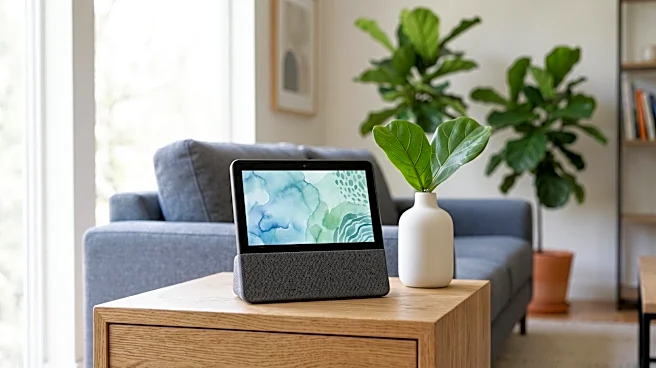
The Amazon Echo Show 8 (3rd Gen) is being recognized as a well-balanced smart display within the Echo lineup. It features an 8-inch touchscreen, spatial-audio sound, and a responsive processor, addressing some of the performance issues found in smaller
models like the Echo Show 5. This device functions as a comprehensive smart-home hub, incorporating Zigbee, Thread, and Matter bridge capabilities, which allows it to instantly recognize and control a wide array of smart home devices, including displaying feeds from Ring, Blink, and Arlo cameras via voice commands. Users appreciate its effortless setup and its utility as a video-call device and digital photo frame. However, some users have reported frustrations related to the ongoing transition to Amazon's new Alexa+ app, which has, in certain instances, degraded multi-room speaker groups, camera display functionalities, and music-app preferences. Despite these software-related challenges, the device is generally considered to offer excellent value as a standalone smart display.
Why It's Important?
The strong performance and comprehensive smart home integration of the Amazon Echo Show 8 (3rd Gen) are significant for the U.S. smart home market. Amazon, through its Alexa voice assistant and Echo devices, is a major player in this sector, and the Echo Show 8's capabilities reinforce its position as a central hub for smart home ecosystems. Its ability to act as a Zigbee coordinator, Thread border router, and Matter bridge means it supports a broad range of devices, potentially simplifying smart home setups for consumers and driving further adoption of interconnected home technologies. The device's spatial audio and responsive screen enhance user experience, making it a competitive option against other smart displays. The reported issues with the Alexa+ app, however, highlight the challenges associated with software updates and ecosystem transitions, which can impact user satisfaction and the reliability of multi-device setups. This could influence consumer trust in new software rollouts and potentially affect Amazon's reputation for seamless integration, especially for users heavily invested in multi-room audio systems.
What's Next?
Amazon will likely continue to refine the Alexa+ app and address the reported issues concerning multi-room audio, camera display, and music preferences. As the Alexa+ rollout progresses, user feedback will be crucial in guiding these improvements. Consumers considering the Echo Show 8 (3rd Gen) should monitor updates regarding the Alexa+ app's stability, particularly if their primary use case involves extensive multi-room audio or complex smart home routines. Amazon's commitment to resolving these software-era frustrations will determine the long-term success and user satisfaction with the device as a core component of a smart home. Future updates may also focus on enhancing the device's integration with other smart home platforms, although currently, it primarily supports Alexa and partially Home Assistant, with no support for Google or HomeKit. The company may also explore further hardware enhancements to maintain its competitive edge in the rapidly evolving smart display market.
Beyond the Headlines
The ongoing software challenges with the Alexa+ app for the Amazon Echo Show 8 (3rd Gen) underscore a broader trend in the tech industry: the increasing complexity of interconnected ecosystems and the potential for software updates to disrupt established user experiences. While hardware innovation often captures headlines, the stability and functionality of accompanying software are equally critical for user satisfaction and product longevity. The issues faced by some users, such as degraded multi-room speaker groups and inconsistent music app preferences, highlight the ethical implications of forced software upgrades, where early adopters or long-term users may inadvertently become 'testers' for new, potentially unstable versions. This situation also brings to light the importance of robust testing and transparent communication from tech companies during major software transitions. For consumers, it emphasizes the need to consider not just the initial product features but also the ongoing software support and potential for future disruptions when investing in smart home technology. The reliance on a single ecosystem (Alexa) also raises questions about vendor lock-in and the desire for more open, interoperable smart home standards.