






What's Happening?
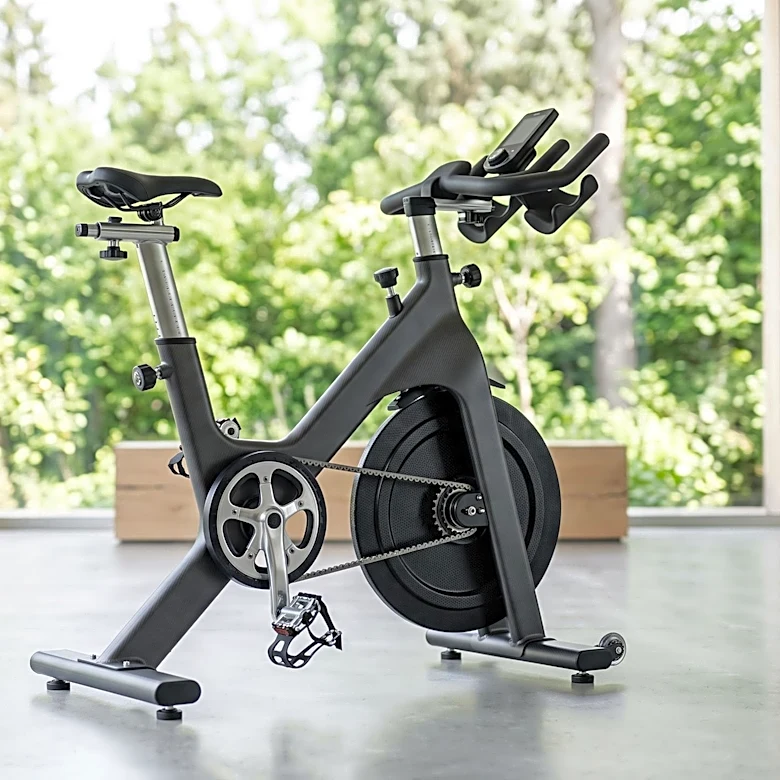
Recent research indicates that interval workouts, particularly short cycling intervals, are effective in improving cardiorespiratory fitness. A meta-analysis of 103 interval training studies found that mixed intervals, long running intervals, and short cycling intervals all
improved cardiorespiratory fitness by similar amounts, irrespective of sex, weight status, or initial activity levels. However, for adults aged 20 to 44, long running intervals showed greater fitness gains than short cycling intervals. Another meta-analysis involving 93 trials and 1,188 participants demonstrated that sprint interval training increased VO2max by an average of 8.3%, with the number of sprints per session having minimal impact. The key factor for improvement was consistent training over time, with each additional week contributing approximately 0.7% to the overall gain. The research also suggests that two training sessions per week can be as effective as four, provided the total workload remains consistent.
Why It's Important?
This research provides valuable insights for individuals and fitness professionals in the U.S. seeking efficient and effective exercise regimens. The findings challenge the notion that longer or more frequent workouts are always superior, suggesting that strategic interval training can yield significant health benefits in less time. This could lead to more accessible fitness programs, potentially increasing adherence rates among the general population, especially those with busy schedules. The distinction between cycling and running intervals for different age groups also allows for more tailored exercise recommendations, optimizing outcomes and reducing the risk of injury. For the fitness industry, this data supports the development of evidence-based training protocols, potentially influencing the design of gym classes, personal training programs, and at-home fitness solutions, ultimately contributing to improved public health outcomes across the nation.
What's Next?
The implications of this research are likely to influence the design and promotion of fitness programs across the U.S. Fitness centers and personal trainers may increasingly incorporate varied interval training protocols, including both cycling and running, tailored to client demographics and fitness goals. There could be a greater emphasis on the total weekly workload rather than just the frequency of sessions, potentially leading to more flexible and time-efficient workout plans. Further research may explore the long-term effects of these interval training methods on diverse populations, including older adults and individuals with specific health conditions, to refine recommendations. Additionally, the development of new fitness technologies and apps could integrate these findings to offer personalized interval training experiences, making effective workouts more accessible to a broader audience.
Beyond the Headlines
Beyond the immediate fitness benefits, this research highlights a broader shift towards optimizing exercise for efficiency and adherence. The finding that people are more likely to drop out of programs due to time commitment rather than intensity suggests a need for fitness solutions that integrate seamlessly into daily life. This could foster innovation in wearable technology and smart exercise equipment that tracks and adapts to individual progress, making fitness more personalized and sustainable. Ethically, this research underscores the importance of evidence-based practices in health and wellness, moving away from anecdotal advice towards scientifically supported methods. Culturally, it may contribute to a redefinition of what constitutes an 'effective' workout, emphasizing quality and intensity over sheer duration, potentially making fitness less intimidating and more achievable for a wider segment of the U.S. population.