

What's Happening?
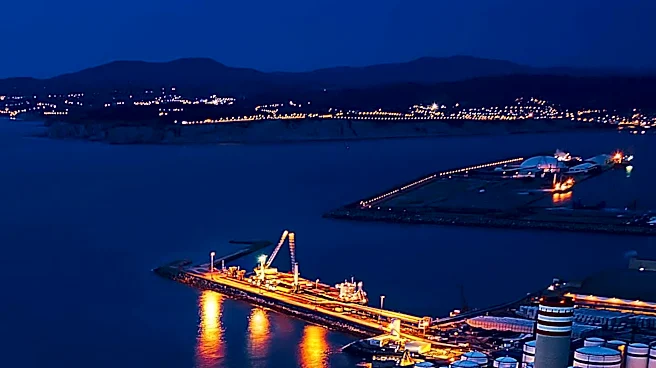
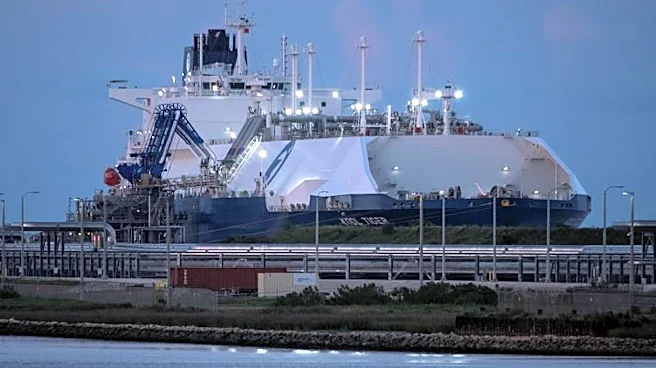
The Federal Energy Regulatory Commission (FERC) has authorized the addition of three liquefaction trains at the Sabine Pass LNG terminal located in Cameron Parish, Louisiana. This decision, made on November 19, advances the expansion project beyond its
initial environmental review phase. The authorization also includes the expansion of the Creole Trail Pipeline system and the construction of a new interstate Sabine Crossing pipeline, both intended to serve the terminal. This regulatory approval is a significant milestone for the project, which Cheniere, the company behind the terminal, had previously indicated would require regulatory approvals, acceptable commercial arrangements, and financing before a final investment decision and full construction notice could be issued. Cheniere's October operating update outlined a phased expansion aiming for a potential peak production of approximately 20 million tonnes annually, including debottlenecking efforts. The first phase is expected to include Train 7, a boil-off gas re-liquefaction unit, and supporting infrastructure, with an engineering, procurement, and construction contract already signed with Bechtel in May.
Why It's Important?
This authorization by FERC is crucial for the U.S. energy sector, particularly for natural gas exports. The expansion of the Sabine Pass LNG terminal signifies a potential increase in the country's capacity to liquefy and export natural gas, which could bolster the U.S.'s position as a major global energy supplier. For Louisiana, the project promises economic benefits through job creation during construction and operation, as well as increased tax revenues. The associated pipeline expansions are vital for ensuring the necessary infrastructure is in place to transport natural gas to the terminal efficiently, linking upstream gas transportation to the export facilities. This development could also influence global energy markets by increasing the supply of liquefied natural gas, potentially impacting international gas prices and energy security for importing nations. Cheniere's final investment decision, while still pending, will be a key indicator of the project's progression and its ultimate impact on the U.S. energy landscape.
What's Next?
Following FERC's authorization, the next critical steps involve Cheniere's final investment decision and the issuance of a full notice to proceed with construction. These decisions are contingent upon securing acceptable commercial and financing arrangements, as outlined by Cheniere in its October update. Once these internal company milestones are met, full construction of the additional liquefaction trains and associated infrastructure can commence. The phased expansion, which includes Train 7 and other supporting units, will then move forward. The successful completion of this project will significantly increase the operational capacity of the Sabine Pass LNG terminal, impacting U.S. natural gas export volumes and potentially influencing global energy trade dynamics in the coming years. Stakeholders, including energy companies, investors, and international buyers, will be closely monitoring Cheniere's subsequent announcements regarding its investment and construction timelines.
Beyond the Headlines
The expansion of the Sabine Pass LNG terminal carries broader implications beyond immediate economic and energy impacts. It underscores the ongoing strategic importance of natural gas in the global energy transition, serving as a bridge fuel while renewable energy sources are scaled up. The increased export capacity could strengthen geopolitical ties with energy-dependent nations, particularly in Europe and Asia, by providing a reliable alternative to other energy suppliers. However, it also raises environmental considerations, as the production and liquefaction of natural gas contribute to greenhouse gas emissions, prompting ongoing debates about the balance between energy security, economic growth, and climate goals. The project's success could set a precedent for future large-scale energy infrastructure developments in the U.S., influencing regulatory approaches and investment trends in the energy sector for years to come. The long-term effects on local ecosystems in Cameron Parish, Louisiana, due to increased industrial activity and shipping traffic, will also be a subject of continued scrutiny.