




What's Happening?
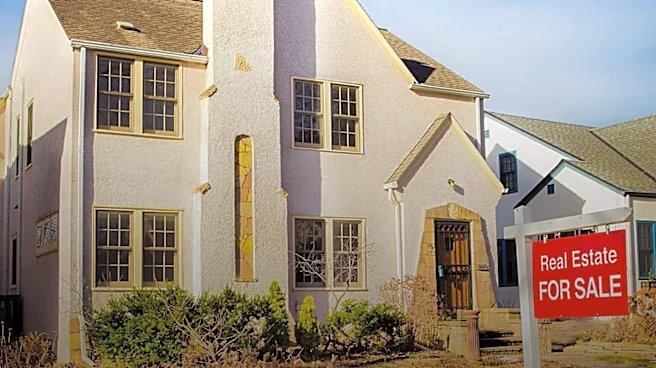
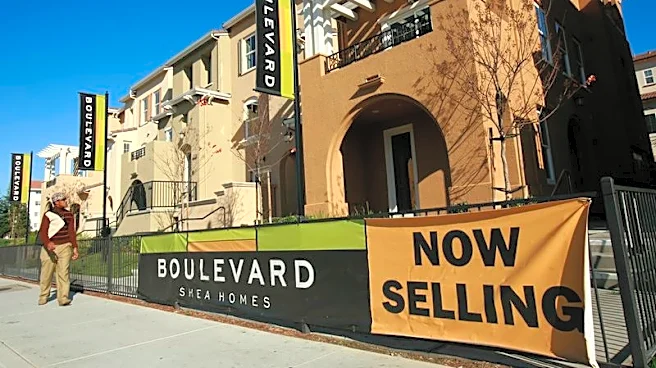
Pending home sales in the United States have decreased, reaching their lowest level since early April, according to data from Redfin. In the four weeks ending July 26, the number of seasonally adjusted sales pending nationwide was 322,739, marking a steady
decline. The drop is attributed to rising mortgage rates, with the weekly average rate for a 30-year fixed-rate mortgage climbing to 6.66% as of Thursday, as reported by Freddie Mac. Despite the economic uncertainty fueled by geopolitical tensions, there are some positive aspects for buyers, such as a decline in the median U.S. monthly house payment to $2,575, the lowest in three months. This is due to median asking prices not increasing, as sellers outnumber buyers in many areas.
Why It's Important?
The decline in pending home sales highlights the impact of high mortgage rates and economic uncertainty on the U.S. housing market. Rising rates make home buying less affordable, potentially slowing down the real estate market and affecting related industries such as construction and home improvement. For potential homebuyers, the current market conditions may offer opportunities to negotiate better deals, as the competitive bidding wars seen during the pandemic have subsided. However, the broader economic implications include potential slowdowns in consumer spending and economic growth, as housing is a significant component of the U.S. economy.
What's Next?
If mortgage rates continue to rise, it could further dampen home sales and slow the housing market. Buyers may continue to wait for more favorable conditions, potentially leading to a buildup of housing inventory. Economic policies and geopolitical developments will play a crucial role in shaping future mortgage rate trends and housing market dynamics. Stakeholders, including policymakers and real estate professionals, will need to monitor these factors closely to adapt to changing market conditions.