








What's Happening?
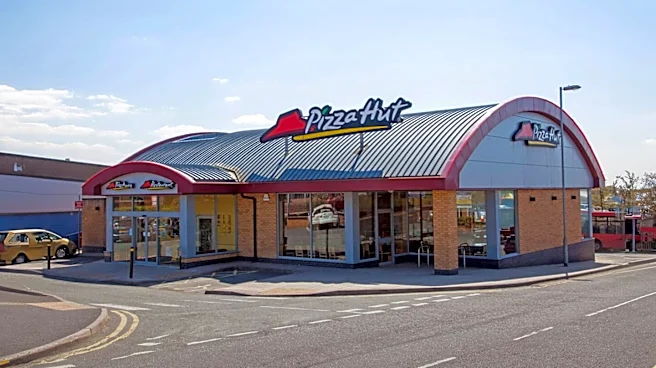
Retail parks in the UK are experiencing a surge in demand, with vacancy rates nearing record lows. This trend is driven by discounters, fashion chains, gyms, and convenience-led operators competing for limited out-of-town sites. The shortage of retail
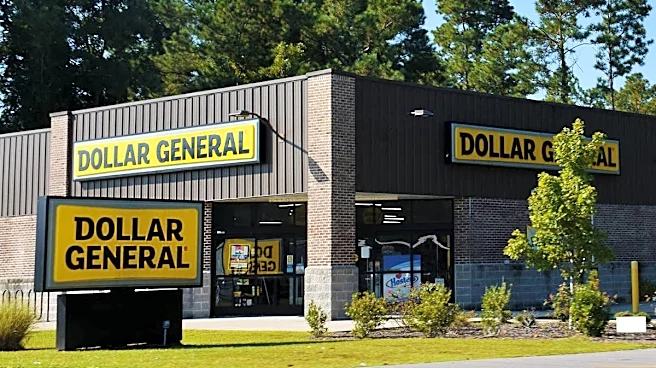
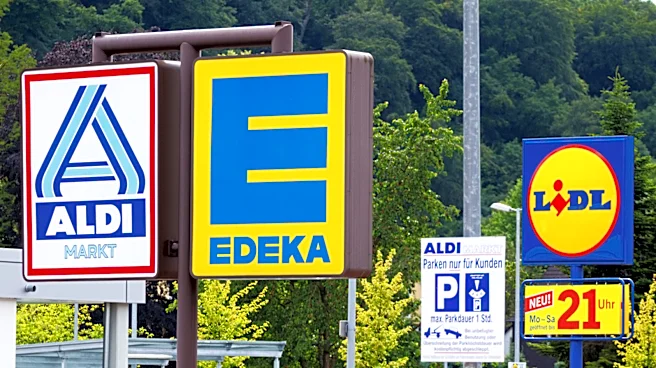
park space is attributed to a lack of new developments and high occupancy rates, with landlords warning of a supply crisis. Retail parks, once dominated by DIY and furniture stores, are now sought after for their affordability, accessibility, and adaptability. Retailers like Lidl, Aldi, and B&M are expanding in these locations, benefiting from lower rental rates and the ability to support omnichannel strategies.
Why It's Important?
The growing demand for retail park space highlights a significant shift in the retail landscape, as businesses seek cost-effective and flexible locations to meet consumer needs. This trend underscores the importance of physical retail spaces in supporting online sales and enhancing customer experiences. The limited availability of retail park space could lead to increased competition among retailers and potentially drive up rental prices. Additionally, the emphasis on retail parks reflects changing consumer preferences for convenience and accessibility, which could influence future retail development and planning policies.
What's Next?
As demand for retail park space continues to outpace supply, stakeholders may need to explore solutions such as expanding existing parks or developing new ones. Real estate firms and local authorities could play a crucial role in facilitating this growth by addressing planning restrictions and supporting sustainable development. Retailers may also need to adapt their strategies to secure prime locations and optimize their use of available space. The ongoing demand for retail parks suggests that they will remain a key component of the retail landscape, influencing future trends and investment decisions.