





What's Happening?
The global non-carbonated soft drinks market is experiencing significant growth, with projections indicating it will reach $313.4 billion by 2035, up from $168.6 billion in 2025, according to a study by SNS Insider. This growth, representing a Compound
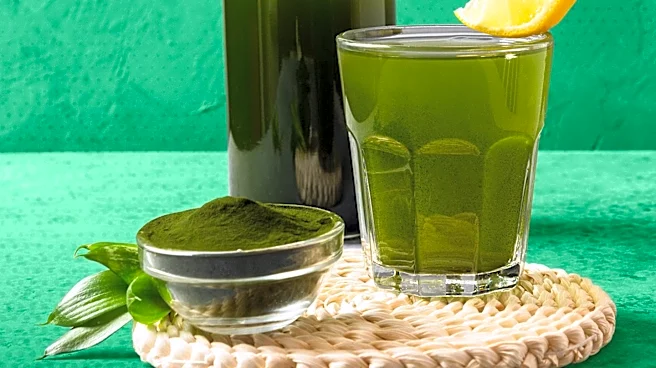
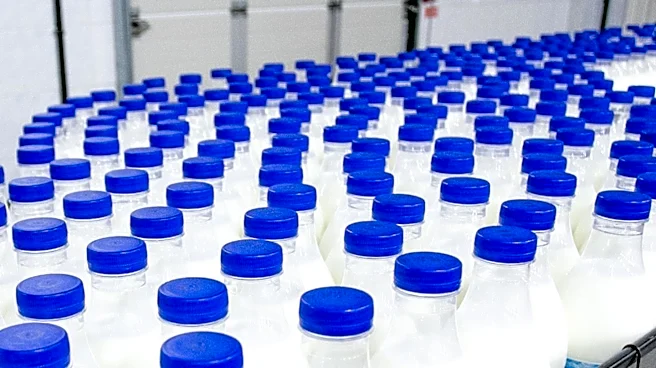
Annual Growth Rate (CAGR) of 6.4% over the 2026-2035 forecast period, is driven by a rising consumer demand for healthier, hydration-led, and functional beverage alternatives. The market has evolved beyond traditional juices and ready-to-drink (RTD) teas to include more advanced functional beverages. Brands are focusing on flavor innovation, reducing sugar content, and expanding e-commerce distribution to meet these changing consumer expectations. The RTD segment currently dominates the market, holding an 80.30% share in 2025 due to its convenience and customization options. Sparkling and flavored water is anticipated to be the fastest-growing category, with an 8.60% CAGR through 2035, fueled by consumer desire for portable hydration without carbonated sugar. Hypermarkets and supermarkets accounted for the largest distribution channel share in 2025, while online sales are expected to see the fastest growth.
Why It's Important?
This significant shift in the non-carbonated soft drinks market has broad implications for the U.S. beverage industry, public health, and economic stakeholders. The emphasis on 'better-for-you' products, reduced sugar content, and functional benefits reflects a growing health consciousness among U.S. consumers, which could lead to a decline in demand for traditional sugary carbonated beverages. This trend presents both opportunities and challenges for established beverage companies, requiring them to innovate and adapt their product portfolios to remain competitive. Smaller, challenger brands focusing on wellness and natural ingredients stand to gain market share. The rise of functional beverages, such as those with electrolytes, vitamins, and prebiotics, indicates a move towards drinks that offer specific health benefits beyond basic hydration. This could influence dietary habits and contribute to a healthier population if consumers opt for these alternatives over less nutritious options. Furthermore, the increasing importance of e-commerce distribution highlights the need for U.S. businesses to invest in robust online sales strategies and supply chain logistics to capture this growing market segment.
What's Next?
In response to the evolving market, beverage companies in the U.S. are expected to continue investing heavily in research and development to create new non-carbonated products with enhanced flavors and functional benefits. This will likely include further reductions in sugar content, the incorporation of natural sweeteners like stevia, and the addition of ingredients such as vitamins, electrolytes, and prebiotics. We can anticipate an increase in strategic partnerships between established brands and challenger companies, as well as collaborations with retail partners, to develop and distribute these innovative hydration-led and functional beverages. The expansion of e-commerce platforms for beverage sales will also accelerate, with companies focusing on optimizing their online presence and delivery networks. Consumers can expect a wider array of choices in non-carbonated drinks, particularly in the sparkling and flavored water categories, as brands compete to meet the demand for convenient, health-conscious hydration options. Regulatory bodies may also begin to scrutinize health claims made by functional beverage manufacturers, potentially leading to new labeling standards.
Beyond the Headlines
The growth of the non-carbonated soft drinks market signifies a deeper cultural shift towards proactive health management and wellness in the U.S. This trend extends beyond just beverages, influencing food choices, fitness routines, and overall lifestyle decisions. The demand for 'functional' drinks suggests that consumers are increasingly looking for products that offer tangible benefits, blurring the lines between food, medicine, and lifestyle aids. This could lead to a redefinition of what constitutes a 'beverage,' moving away from purely recreational consumption towards drinks that serve a specific purpose, such as boosting energy, aiding digestion, or enhancing hydration. The ethical implications of marketing these functional benefits will become more prominent, requiring transparency and scientific backing for health claims. Furthermore, the environmental impact of increased production and packaging for these diverse product lines, particularly in the context of single-serve RTD options, will be a growing concern, pushing for more sustainable packaging solutions and supply chain practices within the U.S. beverage industry.