





What's Happening?
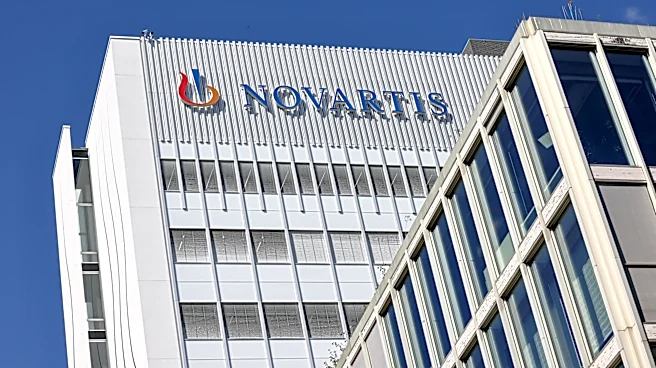
Artificial intelligence (AI) is significantly speeding up early-stage drug development for some of the world's largest pharmaceutical companies, including Bristol Myers Squibb, Novartis, Eli Lilly, Sanofi, Novo Nordisk, and AstraZeneca. According to Reuters,
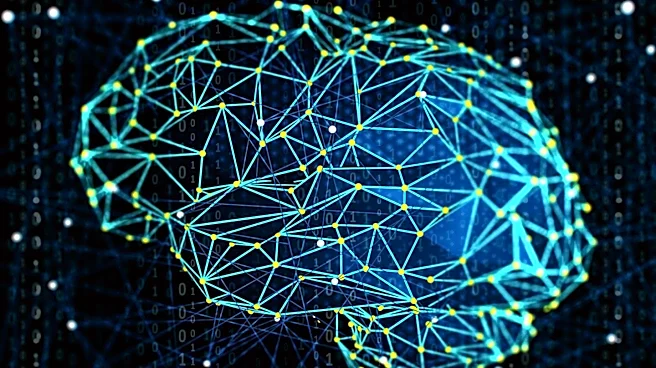
AI has cut the time required to produce new molecules and move them into clinical trials by as much as half this year. Top scientists from these companies report that they are now utilizing AI for more advanced tasks beyond regulatory filings, such as designing molecules, identifying the most promising candidates, and assessing potential safety risks. This marks a shift towards more sophisticated applications of AI in the pharmaceutical R&D process.
Why It's Important?
The accelerated pace of early-stage drug development due to AI has profound implications for the pharmaceutical industry and public health. By reducing the time it takes to bring new molecules to the clinic, AI can potentially shorten the overall drug development timeline, leading to faster access to innovative treatments for patients. This efficiency gain can also reduce the substantial costs associated with drug discovery, making R&D more productive and potentially leading to more affordable medications in the long run. For companies like Sanofi, which are focused on improving R&D productivity and managing patent expirations, AI offers a critical tool to replenish their pipelines and maintain competitiveness. The ability to quickly identify promising molecules and assess safety risks early on can also decrease the failure rate of drugs in later stages of development, saving significant resources.
What's Next?
The increasing adoption of AI in drug development suggests a future where the discovery process is more data-driven and efficient. Pharmaceutical companies are expected to continue investing heavily in AI technologies and talent to further optimize their R&D pipelines. This could lead to a greater number of novel drug candidates entering clinical trials and potentially reaching the market. The focus will likely expand to other areas of drug development, such as personalized medicine and identifying new therapeutic targets. However, the ethical considerations surrounding AI in healthcare, including data privacy and algorithmic bias, will also need to be addressed as the technology becomes more integrated into the drug discovery process.
Beyond the Headlines
The integration of AI into drug development represents a paradigm shift in how new medicines are discovered and brought to market. Beyond mere efficiency, AI's capability to analyze vast datasets and identify complex patterns can uncover insights that human researchers might miss, potentially leading to breakthroughs in treating challenging diseases. This technological advancement also raises questions about the future workforce in pharmaceutical R&D, with a growing demand for scientists skilled in both biology and artificial intelligence. The shift from AI handling 'less glamorous tasks' to core scientific functions underscores the technology's transformative potential, moving it from a supportive tool to a central driver of innovation in the biopharmaceutical sector. This could fundamentally alter the competitive landscape, favoring companies that effectively leverage AI to outpace their rivals in bringing life-saving therapies to patients.