



What's Happening?
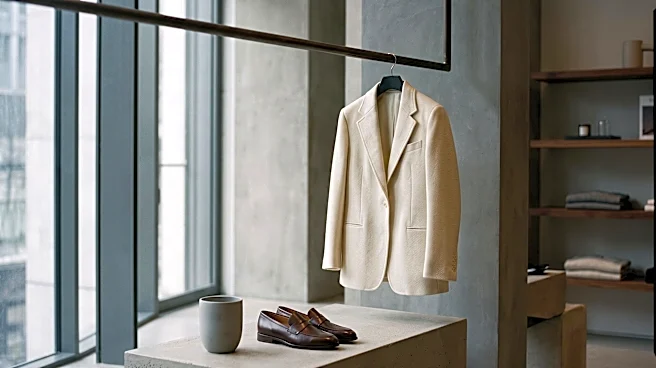
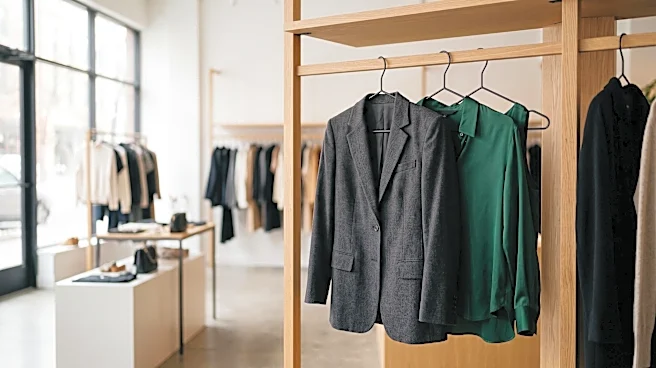
Zara has reopened its flagship store on New York's Fifth Avenue after a comprehensive seven-month refurbishment. The renovation, led by Zara's in-house architecture studio, integrates 90s New York minimalism and industrial aesthetics, drawing inspiration
from the city's architectural heritage. The three-story space at 660 Fifth Avenue, which originally opened in 2012, now features cutting-edge omnichannel technology, including an automated garment sorting system and enhanced customer service tools. The store offers Zara's womenswear, menswear, and kidswear collections across distinct environments. To mark the reopening, Zara launched an exclusive '660 Fifth Avenue' capsule collection and three tribute fragrances to New York City. This initiative is part of Inditex's broader U.S. expansion plan, which includes 20 projects between late 2026 and the end of 2027, aiming to solidify the U.S. as Inditex's second-largest market after Spain.
Why It's Important?
The reopening of Zara's Fifth Avenue flagship is a significant move in the U.S. retail landscape, particularly for the fashion industry. It signals a strategic investment by Inditex, Zara's parent company, to enhance its presence and customer experience in a key global market. By incorporating advanced omnichannel technology and a design that reflects local aesthetics, Zara aims to create a more engaging and efficient shopping experience, potentially setting new standards for brick-and-mortar retail. This refurbishment also highlights a trend among major retailers to blend physical and digital shopping, offering convenience and a personalized touch. The exclusive capsule collection and fragrances cater to local market preferences, fostering a stronger connection with New York consumers and potentially driving sales and brand loyalty in a competitive environment. The broader U.S. expansion plan indicates Inditex's confidence in the market's growth potential.
What's Next?
Following the reopening, Zara will continue to roll out its U.S. expansion plan, which includes additional store openings, relocations, and refurbishments for its various brands, such as the recent opening of the first Massimo Dutti store in New York and the upcoming Bershka store. The success of the revamped Fifth Avenue store, particularly its integration of technology and localized design, will likely influence future retail strategies for Zara and other fashion brands in the U.S. The performance of the '660 Fifth Avenue' capsule collection and fragrances will also be monitored as an indicator of consumer response to localized product offerings. Competitors in the fast-fashion and luxury-adjacent segments may observe Zara's approach to omnichannel integration and store design to adapt their own strategies in the evolving retail market.
Beyond the Headlines
The revamped Zara store reflects a deeper shift in retail, moving beyond mere transactions to create immersive brand experiences. The emphasis on 90s New York minimalism and industrial aesthetics taps into a cultural nostalgia while projecting a sophisticated image, allowing Zara to position itself as a premium high-street brand. This strategy, often employed by brands like Cos and Massimo Dutti, aims to convince shoppers that their products are aspirational and a viable alternative to luxury brands. The integration of advanced technology, such as automated garment sorting and real-time inventory checks, not only streamlines operations but also subtly enhances the customer's perception of efficiency and modernity. This blend of aesthetic appeal, technological innovation, and localized offerings suggests a future where physical retail spaces are less about sheer volume and more about curated, technologically-augmented experiences that resonate with local identity and global trends.