






What's Happening?
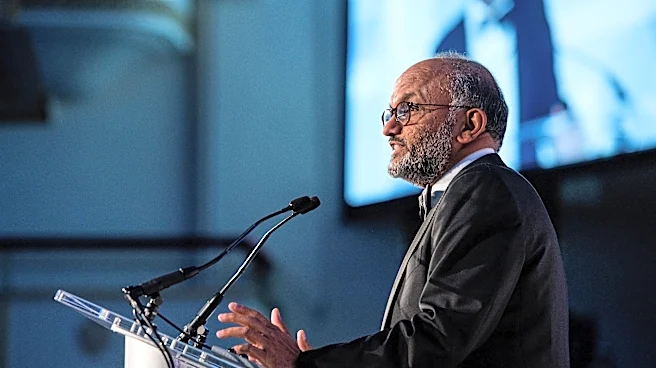
HubSpot, Inc. (NYSE: HUBS), a public company headquartered in Cambridge, Massachusetts, offering a customer platform with marketing, sales, service, and CRM software, is undergoing significant changes. Co-founder Brian Halligan has returned as chief executive
officer, and a new chief financial officer is preparing to take over. These leadership changes, coupled with an expanded share-repurchase program and third-quarter revenue growth in the mid-teens alongside GAAP profitability, are being viewed by some investors as a 'refounding' narrative. The company, which serves over 300,000 customers, has seen its stock decline sharply over the past year due to concerns about slowing customer growth and the potential impact of AI on traditional seat-based pricing models. HubSpot's business model generates recurring revenue across its CRM and marketing platform, characterized by high switching costs and a large integration ecosystem. The company is also executing a multi-hub land-and-expand strategy and shifting towards hybrid 'seats and credits' pricing.
Why It's Important?
The leadership transition and strategic adjustments at HubSpot are important for the broader software and technology sectors, particularly for companies navigating the evolving landscape of AI and customer relationship management. HubSpot's 'refounding' narrative could signal a new direction for established software firms facing similar market pressures. The company's shift towards hybrid pricing models and its multi-hub strategy reflect an industry-wide effort to adapt to changing customer expectations and technological advancements. For investors, HubSpot's demonstrated GAAP profitability and expanded share-repurchase program offer potential catalysts for a turnaround, contrasting with newer, more volatile tech stocks. The performance of HubSpot, a significant player in the CRM market, will provide insights into how established software companies can maintain growth and profitability amidst increasing competition and the disruptive influence of artificial intelligence.
What's Next?
HubSpot's immediate future will likely involve the full integration of its new leadership and the continued implementation of its 'seats and credits' pricing model and multi-hub land-and-expand strategy. The market will closely watch for signs of sustained customer growth and the effectiveness of its AI integration efforts in mitigating concerns about traditional pricing models. The expanded share-repurchase program is expected to provide some support for the stock, but long-term performance will depend on the company's ability to innovate and adapt to the competitive software landscape. The success of HubSpot's 'refounding' could serve as a blueprint for other mature tech companies grappling with similar challenges, while any setbacks could highlight the difficulties of navigating rapid technological shifts and investor skepticism.
Beyond the Headlines
The developments at HubSpot underscore a broader trend in the technology industry where established companies are re-evaluating their strategies and leadership to remain competitive in an AI-driven market. The 'refounding' narrative suggests a recognition that continuous innovation and adaptability are crucial, even for market leaders. This situation also highlights the ongoing tension between traditional subscription-based software models and the emerging impact of AI, which can alter how value is perceived and priced. The emphasis on a 'Smart CRM' and the shift in pricing models reflect a deeper industry-wide effort to provide more flexible and value-driven solutions to customers, potentially setting new standards for customer engagement and software monetization in the digital age. The ethical implications of AI's role in customer data management and privacy will also remain a critical, underlying consideration for companies like HubSpot.