





What's Happening?
Sustainable furniture design is evolving beyond single material claims, focusing on longevity, comfort, and adaptability for modern homes. The trend emphasizes choosing furniture that is durable, performs well over time, and does not require frequent
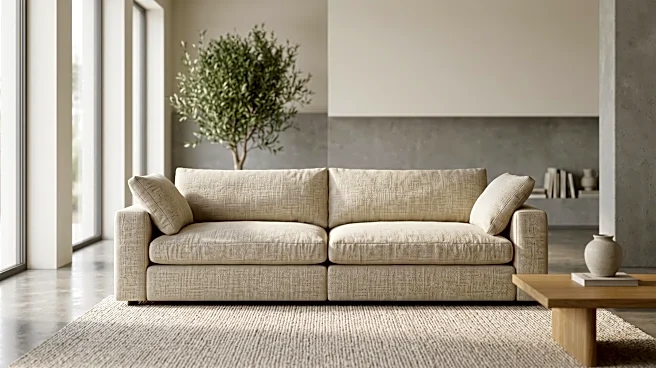
replacement. Key aspects include modular and multifunctional pieces that reduce waste and adapt to changing lifestyles, such as sleeper sofas and extendable dining tables. There's a growing demand for material transparency, with consumers wanting to understand what their furnishings are made from, how they are finished, and their performance characteristics. The shift also highlights the importance of repairable and refreshable designs, encouraging maintenance over discarding items. Coordinated furniture collections are gaining traction, simplifying choices and promoting long-term planning rather than impulsive purchases. This approach aims to create cohesive, enduring home environments that reflect thoughtful consumption.
Why It's Important?
This shift in sustainable furniture design is important for U.S. consumers and the home furnishings industry. For consumers, it means investing in higher-quality, more durable products that offer better long-term value and reduce waste, aligning with growing environmental consciousness. The emphasis on multifunctional and modular furniture addresses the needs of smaller living spaces and flexible lifestyles, common in urban areas across the U.S. For the industry, it signals a move towards more responsible manufacturing practices, material sourcing, and product design. Companies that adapt to these trends by offering transparent, durable, and adaptable furniture will likely gain a competitive edge. This also encourages innovation in materials and construction techniques that prioritize sustainability and longevity, potentially leading to a reduction in landfill waste associated with furniture disposal.
What's Next?
The furniture industry is expected to continue innovating in sustainable materials and design. Consumers will likely see more options for customizable, modular furniture that can be reconfigured or repaired, extending product lifespans. Retailers may increase transparency regarding their supply chains and manufacturing processes to meet consumer demand for ethical and environmentally friendly products. There could be a rise in services focused on furniture repair, refurbishment, and resale, creating a more circular economy within the home furnishings sector. Additionally, design aesthetics may lean further towards timeless, versatile styles that can integrate into various home décors over many years, reducing the impact of fleeting trends. Educational initiatives for consumers on how to identify and care for sustainable furniture may also become more prevalent.
Beyond the Headlines
Beyond the immediate trends, this movement reflects a broader cultural shift towards conscious consumption and a rejection of fast furniture. It highlights an ethical dimension where consumers are increasingly considering the environmental and social impact of their purchases. Legally, there could be future regulations or certifications for furniture sustainability, similar to those in other industries, pushing manufacturers towards higher standards. Culturally, the idea of furniture as a long-term investment and a part of a home's story, rather than a disposable item, is gaining traction. This could lead to a re-evaluation of how homes are furnished, prioritizing quality and durability over quantity and transient styles. The long-term implication is a more sustainable household economy, reducing resource depletion and waste generation, and fostering a deeper connection between consumers and their living spaces.